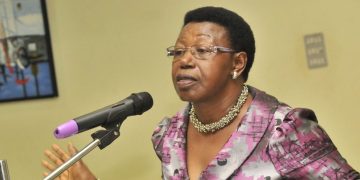




KAMPALA, UGANDA — Veteran activist Miria Matembe on today presented a joint statement to the media on behalf of a broad coalition of Ugandan citizens, demanding the immediate and unconditional withdrawal of the proposed Protection of Sovereignty Bill, 2026 from Parliament.
Addressing journalists in Kampala, Matembe said the Bill represents a defining moment for Uganda’s democracy, warning that it threatens constitutional freedoms, economic stability, and the country’s long-standing tradition of participatory governance. She emphasized that the coalition comprising of civil society actors, private sector representatives, creatives, faith-based institutions, and members of the diaspora is united in rejecting what they describe as a deeply flawed and dangerous piece of legislation.
“This is a moment for Ugandans to stand firm,” Matembe said. “We cannot accept a law that takes away our rights, criminalizes our livelihoods, and concentrates power away from the people. Parliament must reject it, and the government must withdraw it entirely.”
Furthermore, an activist and civil society leader Charles Kazoba, described the Bill as a “dangerous legislative overreach” that introduces sweeping controls without addressing any real legal gaps. Kazoba told the press that Uganda already has sufficient legal frameworks, including anti-money laundering and anti-terrorism laws, to address foreign interference, making the proposed law redundant.
“We stand before you as Ugandans from all walks of life to address what we see as an existential threat to our nation,” Kazoba said while reading the statement. “This Bill does not protect sovereignty; it undermines it by shifting power away from citizens and placing it in the hands of unchecked executive agencies.”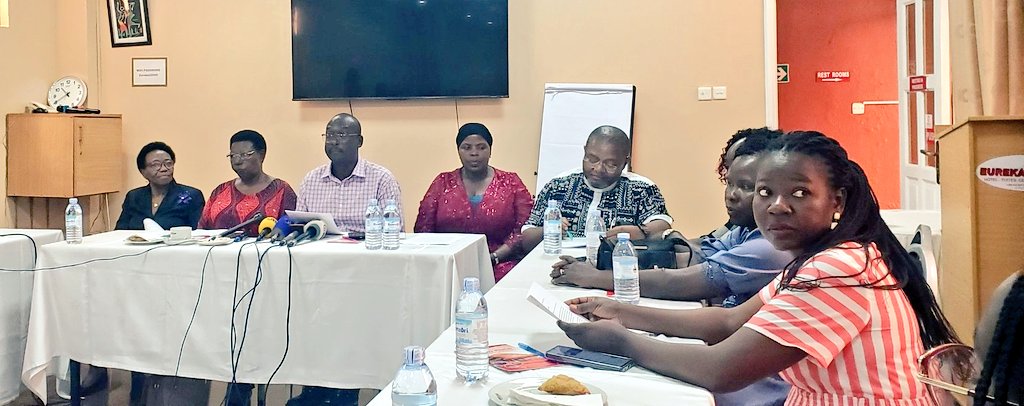 The coalition raised serious concerns about provisions that redefine “foreigners” to include Ugandan citizens living abroad, arguing that this effectively strips the diaspora of certain citizenship rights and contradicts constitutional guarantees. They warned that such measures could disenfranchise millions, discourage global mobility, and weaken ties between Uganda and its diaspora community.
Ambassador Edith Grace Ssempala strongly criticized the Bill’s broader implications, particularly its impact on governance, investment, and international cooperation. She noted that the proposed law could isolate Uganda economically and diplomatically.
“This Bill sends a chilling message to the world that Uganda is closing itself off,” Ssempala said. “By creating excessive controls on investment and partnerships, it risks driving away development partners and investors, undermining the very growth the country depends on.”
The statement also highlighted concerns over sweeping powers granted to the Minister for Internal Affairs, including the ability to create new criminal offences and impose penalties without full parliamentary oversight. According to the coalition, this undermines democratic accountability and violates the principle that power belongs to the people.
Equally troubling, the group said, are provisions allowing warrantless inspections of private premises, which they argue amount to a direct assault on the constitutional right to privacy. They warned that homes, religious institutions, and businesses could be subjected to intrusive state surveillance under vague suspicions of “foreign agent” activity.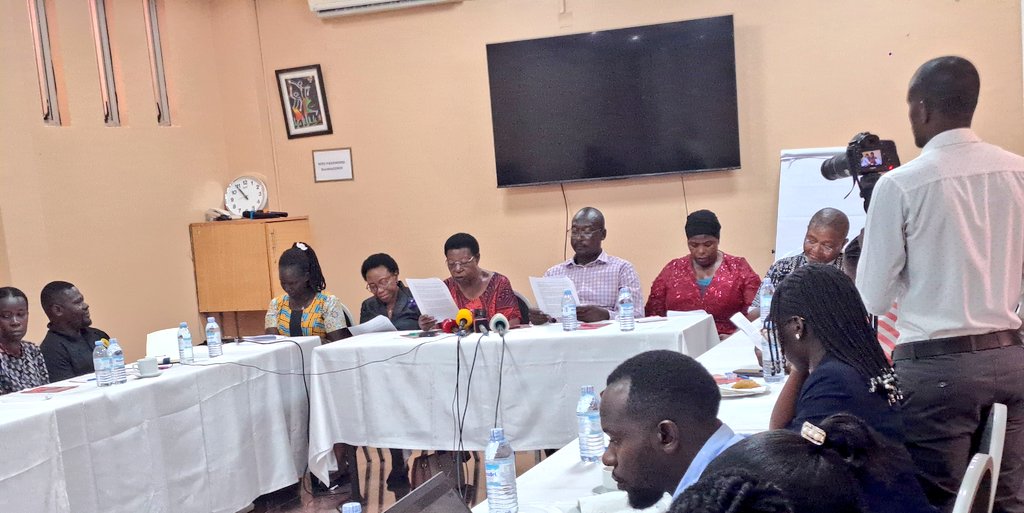 Economic concerns featured prominently in the coalition’s message, with speakers warning that the Bill could disrupt key pillars of Uganda’s economy. They noted that diaspora remittances, which sustain millions of households, could be severely affected by restrictions and the potential criminalization of cross-border financial support.
“The Bill criminalizes legitimate economic activity and threatens the lifelines that sustain millions of Ugandan families,” the statement read, adding that restrictions on foreign funding and investment would create bureaucratic bottlenecks and discourage business growth.
Matembe elaborated further, warning that the scale of penalties proposed under the Bill ranging from long prison sentences to fines reaching billions of shillings, is disproportionate and inconsistent with international standards. She argued that such measures could lead to what she described as “aid fatigue,” pushing development partners away and weakening critical sectors such as health, education, and social services.
The coalition also warned of far-reaching consequences across society, noting that creatives and artists could be labeled “foreign agents” for engaging with global platforms, while faith-based organizations could face intrusive oversight and restrictions on international support. Businesses, they said, would be burdened by compliance requirements that create uncertainty and deter both local and foreign investment.
At the heart of the statement was a clear and unified demand for action. The coalition called on the government to withdraw the Bill entirely and urged Parliament to reject any legislation that undermines constitutional rights and economic stability. They also appealed to the media to raise awareness, the private sector to speak out, and the diaspora to mobilize international advocacy.
“This is not just a legal issue; it is about the future of our country,” Matembe said. “Uganda is built on cooperation, not suspicion. We cannot afford to reverse the progress we have made.”
The coalition concluded by warning that the Protection of Sovereignty Bill, 2026 represents a fundamental shift toward centralized authority, cautioning that its passage could have lasting consequences for Uganda’s democracy and global standing.
“Uganda’s sovereignty belongs to the people, not state agencies,” the statement declared, as calls for the Bill’s withdrawal continue to intensify.
Uganda’s proposed Protection of Sovereignty Bill, 2026, is a controversial draft law aimed at regulating foreign influence by imposing strict controls on foreign funding, particularly targeting NGOs, civil society organizations, and individuals. While it is intended to prevent interference in domestic politics and policymaking, critics argue that it could be used to suppress dissenting voices.
Key provisions of the Bill include:
Definition of “Agent of a Foreigner”: Any person or organization directly or indirectly supported or funded by a foreign entity would be required to register and, in some cases, obtain certification from the Ministry of Internal Affairs.
Severe penalties: The Bill criminalizes influencing public opinion against government policy, with penalties of up to 20 years in prison or substantial fines.
Broad scope: Critics warn that the law could affect not only political actors but also NGOs working in education, health, and human rights, as well as foreign investors and developers.