

KAMPALA, Uganda: The Uganda National Bureau of Standards (UNBS) has reaffirmed its commitment to strengthening quality standards and advocating for policy reforms aimed at improving access to safe and affordable menstrual health products in Uganda.
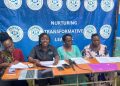
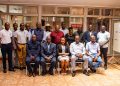
This commitment was highlighted during a two-day Menstrual Hygiene Symposium held from April 8 to 9, 2026, in Kampala. The event was organized in collaboration with the United Nations Population Fund (UNFPA) and the Sanitation and Hygiene Fund, bringing together over 100 stakeholders from government, the private sector, civil society, and development partners.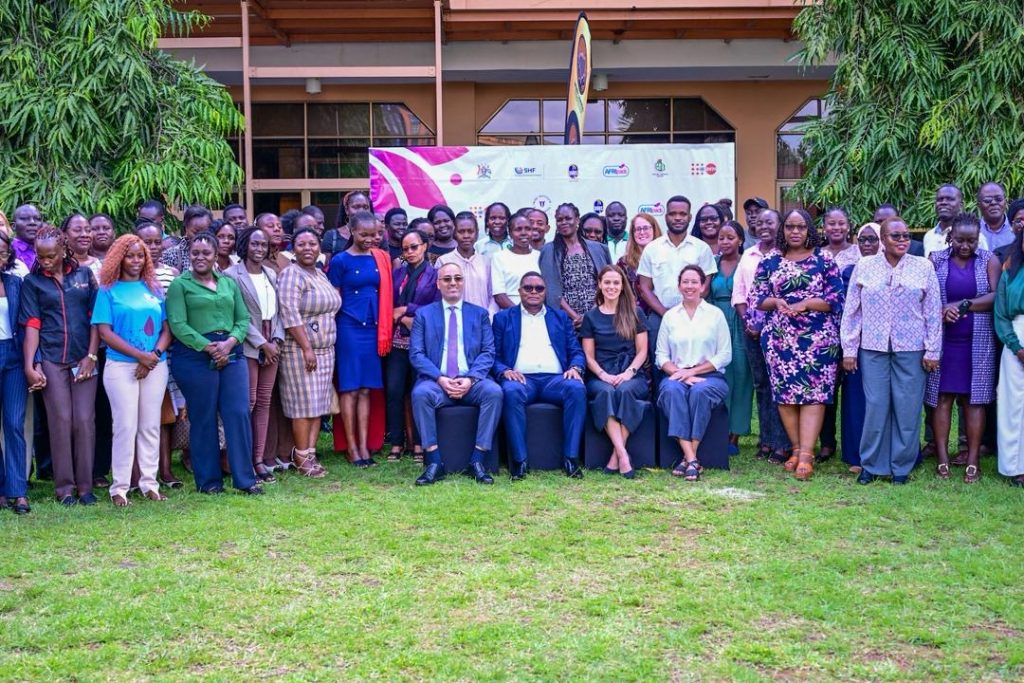 The symposium provided a platform for dialogue on standards development and regulatory reforms within the menstrual health sector.
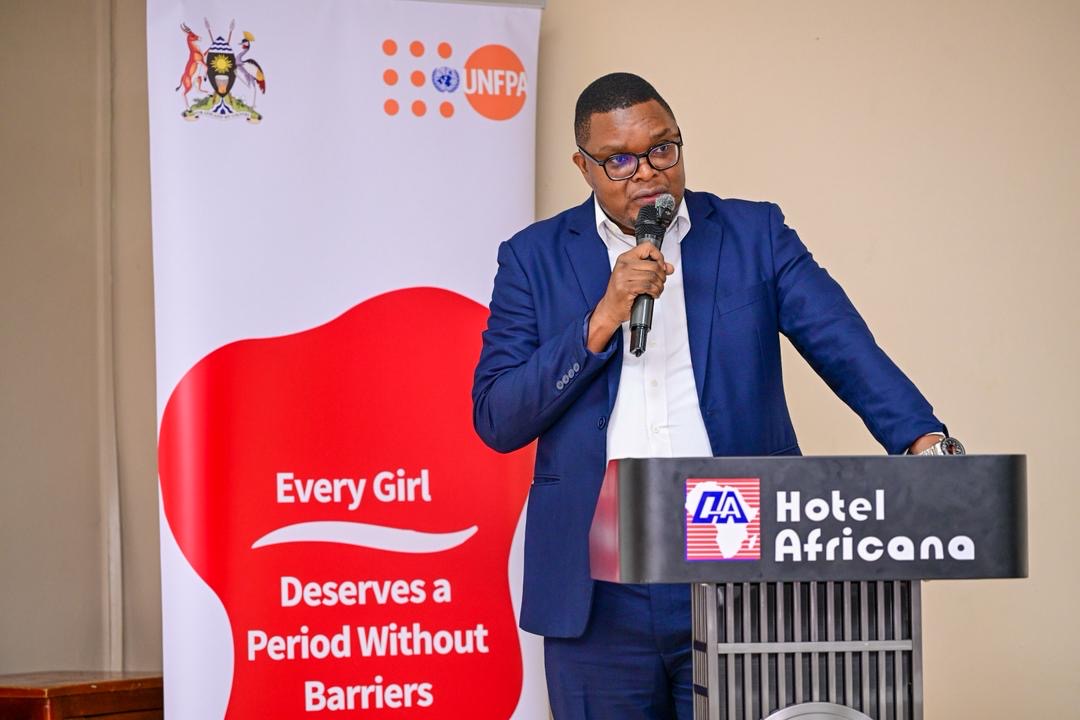
Speaking at the event, Hajj Aziz Mukota, Manager of Testing Services at UNBS, emphasized the critical role of standards in safeguarding public health and ensuring product quality.
“Menstrual health management is a matter of human rights, dignity, health, and gender equity. At UNBS, we are committed to ensuring that all menstrual products on the market comply with the relevant national standards,” he said.
Currently, UNBS has developed the following menstrual health standards:
US EAS 96:2024 – Disposable Sanitary Towels (Third Edition)
US 1782:2017 – Reusable Sanitary Towels (First Edition)
US 2381:2023 – Reusable Menstrual Cup (First Edition)
US 2863:2023 – Tampons (First Edition)
The symposium comes at a time when Uganda is actively contributing to the development of global standards for menstrual products through its participation in ISO Technical Committee 338 (ISO/TC 338), which focuses on both single-use and reusable menstrual products. UNBS, through its Technical Committee UNBS/TC 315 on textiles and related products, continues to play a key role in this international process.
Participants discussed strategies to strengthen Uganda’s contribution to international standards, advocate for tax and regulatory reforms to reduce the cost of menstrual products, promote local manufacturing of quality-assured products, and enhance collaboration among stakeholders to improve access—particularly for underserved communities.
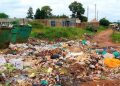
Insights shared during the symposium revealed that many girls in Uganda continue to miss school due to a lack of access to affordable menstrual products and adequate sanitation facilities. Addressing these challenges requires a coordinated approach that integrates policy reform, standards enforcement, and market development.
UNBS reaffirmed its commitment to working closely with government ministries, departments, and agencies (MDAs), development partners, and private sector players to promote innovation, research, and the production of high-quality menstrual products.
“We will continue to support the development, promotion, and enforcement of standards while fostering an enabling environment for innovation and investment in menstrual health solutions. Our goal is to protect consumers, facilitate trade, and ultimately improve the well-being of all Ugandans,” Hajj Mukota added.
The symposium forms part of a broader regional initiative under the “Menstrual Health & Hygiene: Unlocking Women’s Power” programme, which seeks to improve regulatory and policy environments across multiple African countries.