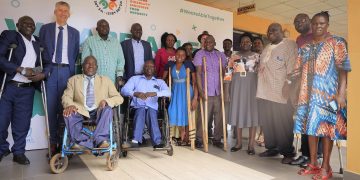




Kampala, Uganda – Over 200 Persons with Disabilities (PWDs) in Northern Uganda and West Nile region have secured freehold land titles, ensuring legal ownership and protection from land grabbing thanks to the now-concluded five-year “We Are Able” program.
Funded by the Dutch Ministry of Foreign Affairs as part of the Power of Voices Partnerships for Strengthening Civil Society, aim to contribute to inclusion of Persons with Disabilities and other marginalized groups to increase their access to food and basic services and land rights for food production, the program was being implemented in a Consortium led by ZOA in partnership with NUDIPU, LFTW, THA and VNGI.
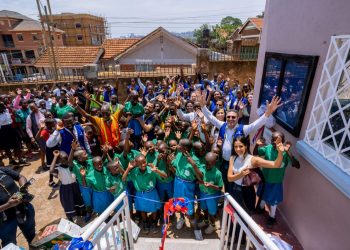
The program empowered PWDs across five districts: Arua City, Terego, Yumbe, Omoro, and Nwoya. The initiative focused on improving access to land rights, food security, national identification, and economic inclusion.
“Many persons with disabilities owned land but had no formal proof. Acquiring freehold titles has not only secured their property but also restored dignity and peace of mind,” said Esther Kyozira, CEO of NUDIPU.
Land Rights and Legal Empowerment
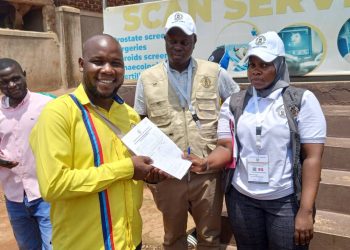
Land insecurity has long plagued persons with disabilities in northern Uganda, leaving many vulnerable to land grabbing. Through collaboration with the Ministry of Lands, the project supported over 200 PWDs in obtaining legally recognized freehold land titles.
“This is one of the program’s greatest milestones,” Kyozira noted. “It addressed a critical vulnerability and gave PWDs control over their land.”
A Holistic Approach to Disability Inclusion
The “We Are Able” program, spearheaded by ZOA Uganda and supported by the Africa Disability Forum, brought together consortium partners including NUDIPU, The Hague Academy, and Light for the World to build inclusive systems from the grassroots level.
Key achievements include:
- Access to National Identification
Through collaboration with the National Identification and Registration Authority (NIRA), PWDs who previously lacked documentation were registered and issued National IDs a vital requirement to access government programs like the Special Grant for PWDs and the Parish Development Model (PDM).
“Many had been excluded from government services. This partnership broke that barrier,” said Kyozira.
- Establishment of Disability Structures
The program helped PWDs form formal leadership structures at the village, parish, sub-county, and district levels. These platforms have empowered individuals to advocate for their rights and influence local government decisions.
- Village Savings and Loan Associations (VSLAs)
A total of 260 VSLA groups were established, each with about 30 members—60% of whom are PWDs, alongside caretakers and community allies. Each group saved UGX 5 to 10 million annually, with members investing in small businesses and income-generating activities.
“Some individuals are now saving as much as UGX 2 million per cycle. It’s a remarkable shift in mindset and self-reliance,” Kyozira shared.
Commitment from Local Governments
Local authorities in the five project districts have pledged to sustain the momentum. District councils are integrating disability issues into policy and budgeting processes, while Community Development Officers and LC5 leaders have committed to supporting inclusive development agendas.
“We’ve moved beyond the outdated charity model. This program shows that when PWDs are empowered, they thrive and uplift their communities,” Kyozira said.
A Lasting Legacy
Although the program has officially ended, stakeholders remain optimistic that its impact will continue to grow.
“What we’ve built is not just a project, but a movement,” Kyozira concluded.
At the close-out ceremony held at Hotel Africana, Bouwe-Jan Smeding, Deputy Head of Mission at the Embassy of the Kingdom of the Netherlands, emphasized the importance of using respectful and empowering language when referring to persons with disabilities.
“Language shapes attitudes and policies. Inappropriate terms can reinforce stigma and discrimination. We must choose our words carefully to foster inclusion,” Smeding advised.
About the Program
We Are Able was a five-year initiative designed to improve the rights of persons with disabilities, particularly their access to land and food security by strengthening inclusive structures and community-level advocacy.
About NUDIPU
The National Union of Disabled Persons of Uganda (NUDIPU) is the umbrella organization championing the rights, inclusion, and empowerment of persons with disabilities across Uganda.