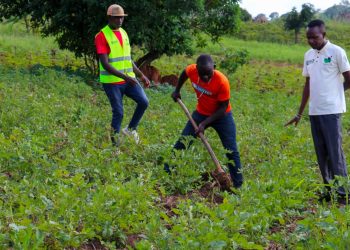



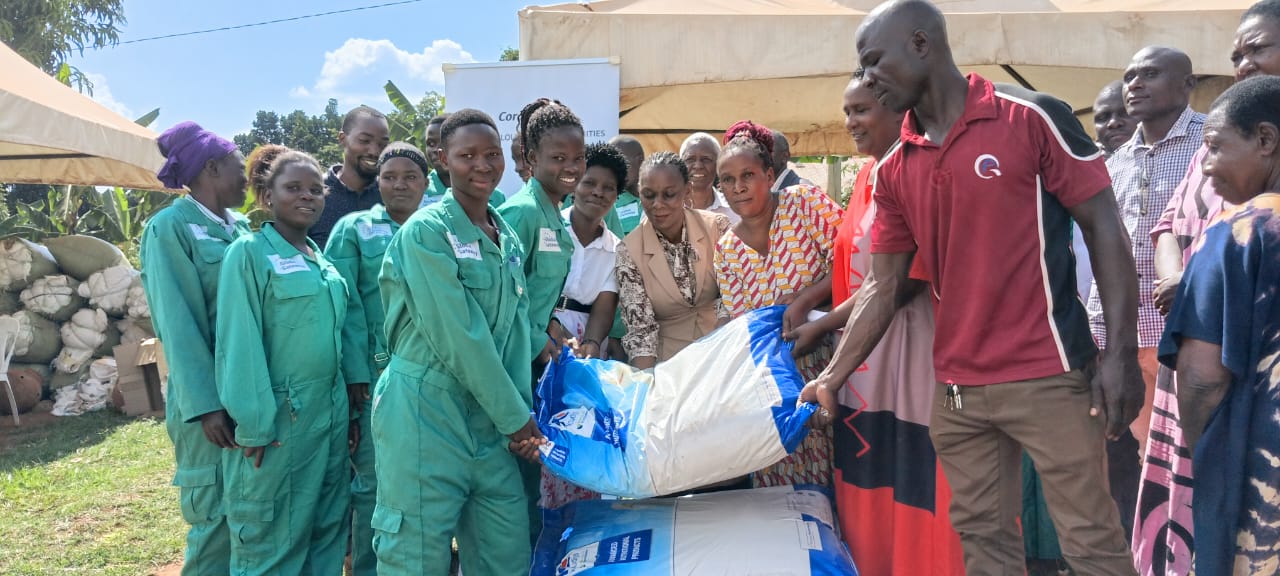
KAMULI, Uganda —A youth empowerment initiative being implemented by Cordaid is transforming young people in rural Uganda from job seekers into entrepreneurs, with beneficiaries in Kamuli now using skills, start-up capital and business knowledge to establish poultry and piggery enterprises.
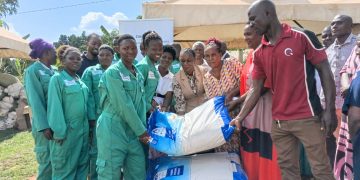
Under the WeWork – Green and Decent Jobs for Youth Project, 49 young people from nine youth business groups in Bulopa Subcounty, Kamuli District, have received start-up packages to help them turn the skills acquired through training and work-based learning into sustainable businesses and sources of income.
The initiative, which is implemented in partnership with Cordaid, CEAVA, Rikolto and Enabel, seeks to address youth unemployment by equipping young people with practical skills, business knowledge, start-up capital and access to markets rather than leaving them dependent on scarce formal employment opportunities.
The support packages include chicks, piglets, animal feeds and other business inputs, with each group receiving assistance based on its approved business plan. On average, each graduate group business receives start-up kits and equipment worth about Shs5 million.
According to Namutebi Rosemary, the Cordaid WeWork Project Coordinator, the programme is designed to create multiple pathways to employment.
“The major goal and focus for this project is job creation, self-employment since they have been provided with start-up capital basing on the business plans submitted, and wage employment since they have certificates,” Namutebi said.
The wider intervention has trained young people from Jinja, Namwendwa and Kamuli, with beneficiaries organised into groups engaged in poultry and piggery.
Chicken-rearing groups received 300 birds alongside the necessary inputs, while piggery groups received four pigs — three females and one male — to establish breeding enterprises.
The beneficiaries underwent four months of training followed by two months of internship and were later assessed by the Uganda Vocational and Technical Assessment Board (UVTAB). Those who successfully completed the programme are expected to graduate in September.
From housewife to chicken farmer
For some beneficiaries, the project has already resulted in significant changes in their livelihoods.
Barbara Wamusaaliza, treasurer of the Tusitukiremu youth group, said the project had changed the lives of women and young people in her community.
“Before Cordaid came, she was just a house wife but she’s now a big chicken farmer,” Wamusaaliza said.
She appealed to the Government to supplement the support provided by the project so that beneficiaries can extend the knowledge they have acquired to other members of the community and help change attitudes towards farming and entrepreneurship.
Another beneficiary, Musenze Ibrahim, secretary of the Tusitukiremu youth group, said Cordaid’s intervention had provided the group with the foundation needed to start a viable poultry business.
“It brought them together, reduced the rate of unemployment,” he said, noting that the group received start-up capital, 300 chicks and medicines.
Musenze also called for Government intervention on land-related challenges affecting young farmers, particularly regarding access to wetlands that could potentially be used for productive activities.
Small beginnings, bigger businesses
For Mpandi Andrew, a member of the Bususwa youth group in Bulopa, the training changed the way young people viewed entrepreneurship.
“Before Cordaid came to train them, they didn’t know that you can start with small capital and grow,” Mpandi said.
He said the group acquired practical knowledge in poultry management, including maintaining hygiene, using footbaths and keeping records for feeds and finances.
According to Mpandi, the skills have contributed to improved household incomes and a reduction in poverty among members.
He thanked Cordaid and Enabel for supporting the programme and urged Government to increase investment in rural youth enterprises.
“Development should start from their own places, not only in cities,” he said.
For Kazungu Denis, a person with a disability from Buyemba Village in Bulopa Subcounty, the training has enabled him to venture into piggery.
Kazungu said beneficiaries had trained for six months and were now putting their knowledge into practice, but noted that group-based inputs can sometimes be inadequate.
He called for stronger collaboration between Government, Cordaid and other development partners to increase support for youth enterprises.
Beyond giving out start-up capital
Project partners say the initiative goes beyond simply distributing livestock and other business inputs.
Biguyi Eric Daniel Isababi, Director of CEAVA and a partner in the project, said the business skills acquired by the youth could be applied beyond agriculture.
“We have taught record keeping, business management, which can be used even in other areas not only farming,” he said.
Biguyi encouraged beneficiaries to build strong networks and continue working together to expand their enterprises.
“Team work works and togetherness moves,” he said.
He also urged the groups to use the collective businesses as a foundation for establishing individual farms, creating a multiplier effect that could generate more employment opportunities within the communities.
The beneficiaries were further encouraged to maintain professionalism and distinguish themselves through the knowledge and standards acquired during the training.
Local leaders call for commitment
Local government leaders have also urged beneficiaries to take ownership of the enterprises and apply the knowledge gained.
Waibi Stephen, Chairperson LC3 of Bulopa Subcounty, encouraged the young farmers to remain committed to their projects and turn training into action.
“Faith without action is dead,” Waibi said.
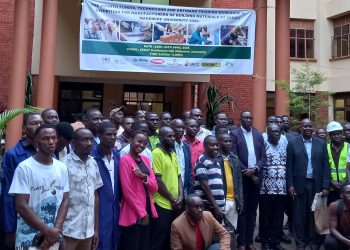
The one-day stakeholder engagement in Bulopa brought together approximately 130 participants, including youth representatives, district and subcounty leaders, technical officers, private-sector actors and consortium partners.
The stakeholders discussed the need for stronger linkages between young entrepreneurs and markets, financial institutions, input suppliers, mentors and other actors within the value chain.
Project organisers said training alone is not enough to guarantee the success of youth businesses.
“Young people cannot build sustainable businesses on training alone. They need continued coaching, mentorship, access to markets, finance and the right business networks,” the organisers said.
Beneficiaries will therefore continue receiving coaching, mentorship, technical assistance, market linkages and connections to value-chain actors to help their enterprises survive and expand.
Building sustainable rural enterprises
The wider WeWork intervention targets 350 young people organised in 35 groups, with women expected to constitute 50 percent of the beneficiaries. The project is being implemented in Jinja and Kamuli, focusing on market-relevant skills in poultry, fish and piggery enterprises.
Funded by the European Union and the Government of Belgium, the programme combines skills development with work-based learning, financial readiness, organised markets, business coaching and mentorship.
Namutebi thanked Kamuli District Local Government and subcounty leaders for creating an opportunity for young people to benefit from the programme.
She urged local leaders to continue supporting the groups through linkages, coordination, mobilisation and access to other opportunities.
The organisers say the ultimate goal is not simply to distribute start-up packages, but to enable young people to establish viable businesses, access reliable markets and create green and decent employment opportunities.
For the beneficiaries, the transformation is already underway — from housewives becoming farmers, idle youth becoming entrepreneurs, and small group projects becoming potential engines of rural economic growth.
As the WeWork project demonstrates, sustainable development can begin at community level — one chicken, one pig and one determined young person at a time.


Uganda shilling traded on a volatile footing against the U.S. dollar today
Absa Bank Uganda Markets Updates (UGNEWSLINE) - The Uganda shilling traded on a volatile footing against the U.S. dollar today....