


Inside Uganda’s Back-to-School Reality and the Race to Keep Children in Class
By the time the school bell rings to signal a new term in Uganda, many parents have already been in silent preparation for weeks. Every available shilling is accounted for, personal needs are put on hold, and family conversations quietly revolve around one pressing question, how to meet the rising cost of education.
Uganda’s education challenge is deeply rooted in this reality. While education remains one of the most valued investments in households, it is also one of the hardest to sustain. Reports from organizations such as UNICEF and the World Bank consistently highlight that financial hardship is a leading driver of school dropouts, particularly among low-income families. In many cases, the inability to meet termly school costs and even temporarily, can interrupt a child’s learning journey and, in some cases, end it entirely.
“Education is widely recognized as one of the most powerful pathways out of poverty,” notes a World Bank education brief. “Yet for many families, the cost of accessing it remains a persistent barrier.”
It is during these back-to-school periods that this pressure peaks. Even households with relatively stable incomes can struggle to absorb the sudden spike in expenses, pushing many to rely on savings groups, informal lending, or short-term credit to bridge the gap.
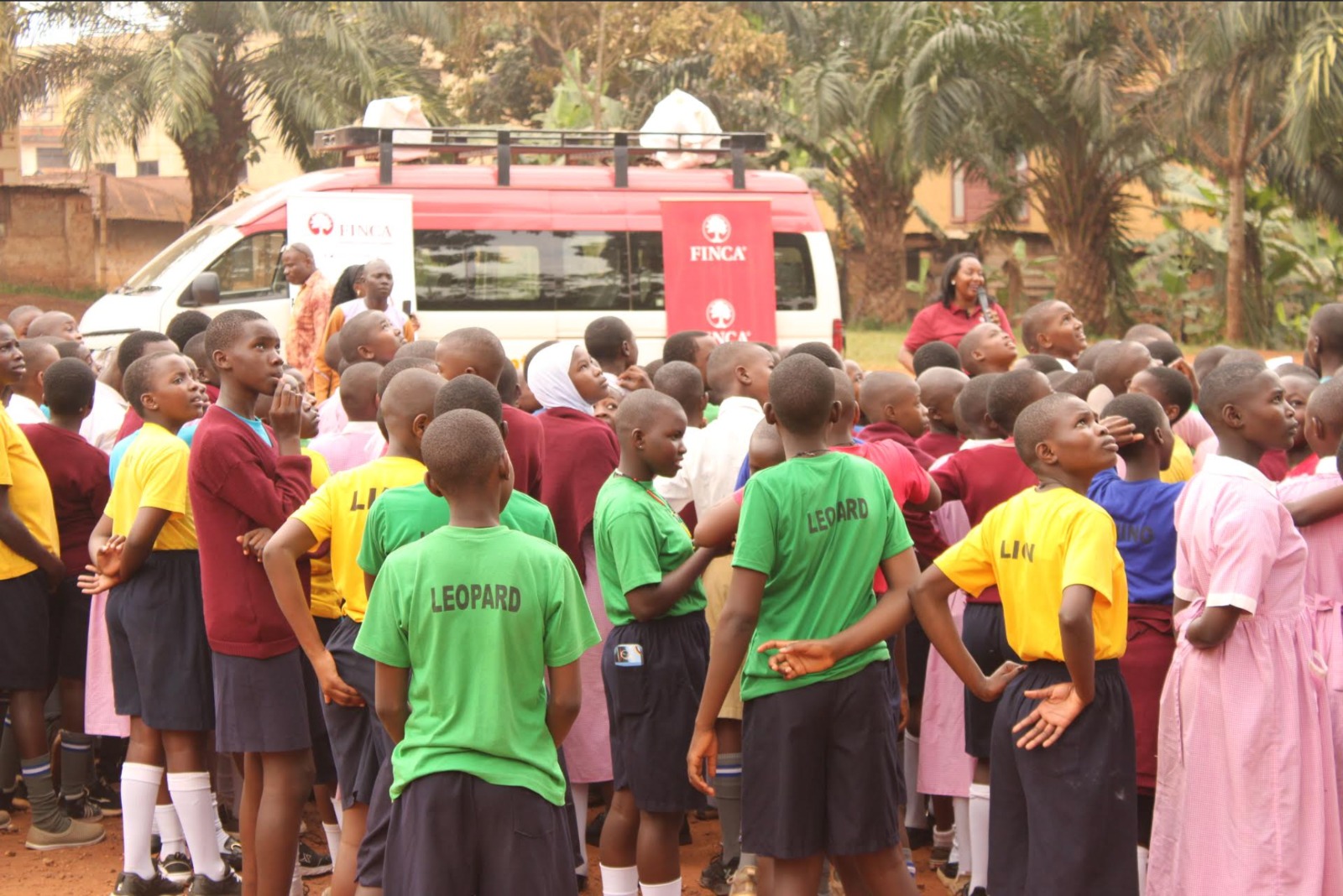
FINCA Uganda is founded on the belief that education is a powerful pathway out of poverty. To support this, it provides school fees loans that enable parents and guardians to meet critical tuition deadlines with ease.
The product allows access to between UGX 100,000 and UGX 10 million, with repayment spread over three to twelve months, easing the immediate burden of lump-sum payments.
“As a financial institution, we see this pattern repeat itself every term, school-related expenses do not come gradually but they come all at once, often alongside rent, food, and business needs. Our role is to ensure that parents have a reliable way to manage these competing demands without interrupting their children’s education” says Eva Balikowa – The Chief Commercial Officer at FINCA Uganda.
For many parents, this is not a theoretical challenge, it is lived daily.
Maria Namaganda, a widow and nano-charcoal business owner in Bata Bata, Namasuba, describes the beginning of each school term as “starting life again.” With five children to care for, she begins saving midway through the previous term, but the amount is rarely enough by reporting day.
“You can plan, but school does not wait for your plans to fall into place,” she says. “Sometimes I have to choose between fully stocking my business and clearing school fees first. Most times, education wins, but it comes with pressure.”
Another parent, Samuel Kato, a boda boda rider in Kampala, echoes a similar experience:
“When schools open, everything becomes urgent at the same time. Even if you earn every day, it is not easy to save enough. Without support, some children would delay going back to school.”
These stories reflect a broader national pattern. The back-to-school season has become more than an academic transition. It is a test of household resilience. Families adjust budgets, reduce daily spending, rely on community savings groups, or turn to financial institutions to ensure children return to school on time.
However, FINCA also recognizes that many individuals who need school fees financing may feel discouraged by the perceived complexity, bureaucracy, or eligibility requirements of traditional financial institutions often driving them toward costly informal lenders.
FINCA launched its Digital School Fees Loan to provide a simpler and more accessible solution for parents and guardians. This innovation enables mobile phone users to conveniently access financing through the Furaha App or via USSD *165*80#. Once approved, the funds are disbursed directly to the learner’s School Pay account, ensuring fast processing, transparency, and peace of mind for families managing school fees.
Education experts widely agree that keeping children consistently in school carries long-term benefits. Studies across developing economies show that each additional year of schooling significantly improves future earning potential, reduces vulnerability to poverty, and enhances overall household stability. For this reason, even under financial strain, most families prioritize education above all else.
“Education remains one of the most reliable pathways for social and economic mobility,” education policy analysts emphasize. “The challenge is not willingness to invest in it, the challenge is affordability at critical moments.”
As each term begins, this cycle repeats itself across communities. It is a story of pressure, but also of persistence. A story of constraint but equally, of commitment.
While much of the pressure during the back-to-school season is felt by parents, schools themselves are also facing growing financial demands as they work to expand facilities, improve learning environments, and manage rising operational costs. Beyond supporting parents through education financing, FINCA Uganda also extends credit support to school owners seeking to develop infrastructure and strengthen school operations, reflecting the broader financial realities shaping Uganda’s education sector today.
Because for many Ugandan families, education is not just an expense to be managed. It is a future to be protected.