


By: Carolyne Muyama
If you haven’t visited Lira in fifteen years, you might find yourself lost in your own backyard. I recall visiting in 2010, when it was a quiet place of recovery. At the time, dust-covered, low-roofed buildings lined the streets, and the town seemed like a weary trading center catching its breath after the pain caused by the LRA insurgency. We all remember the tragedy of Barlonyo and its effects on the people of Lango and the greater north. About 15 years ago, NGO vehicles were common, and residents were just beginning to leave the camps and return home.
Uganda Media Centre, recently spent time in Lira “tracking the shilling.” We wanted to see whether the billions the Government has allocated to programs like the Parish Development Model (PDM) and Emyooga are actually reaching people on the ground.
What I saw wasn’t just numbers on a spreadsheet; it was a city of rising buildings, cranes, and a vibrant nightlife. More importantly, I saw a quiet revolution led by the women of Lango.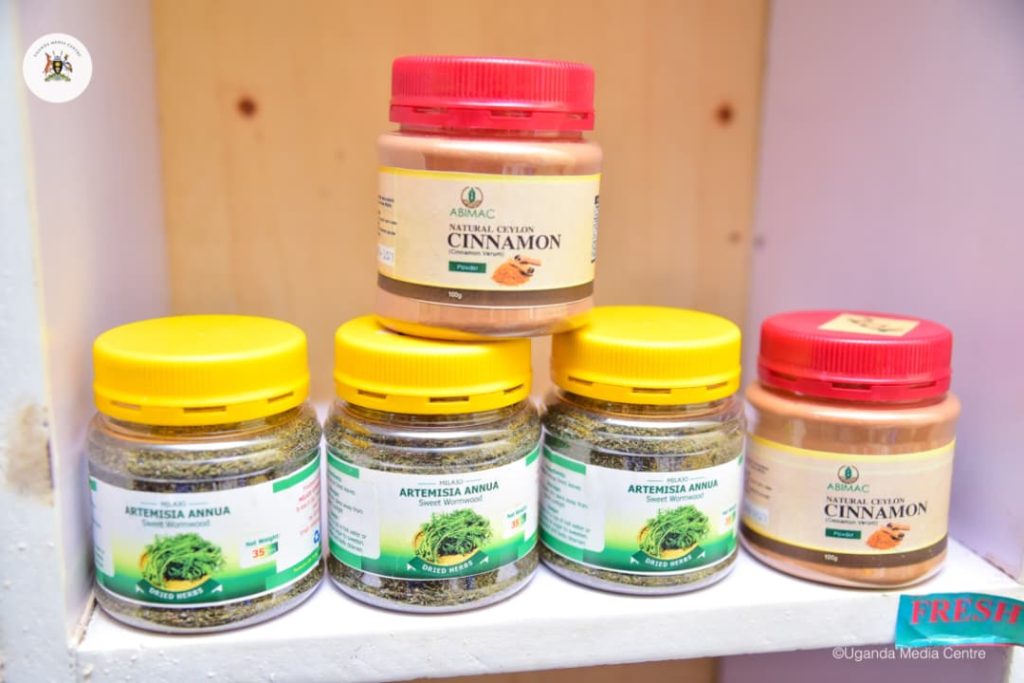 In our Fourth National Development Plan (NDP IV), the Government emphasizes “Human Capital Development.” In simple terms, this means equipping people with the skills and capital to work and create wealth.
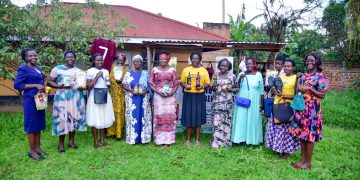
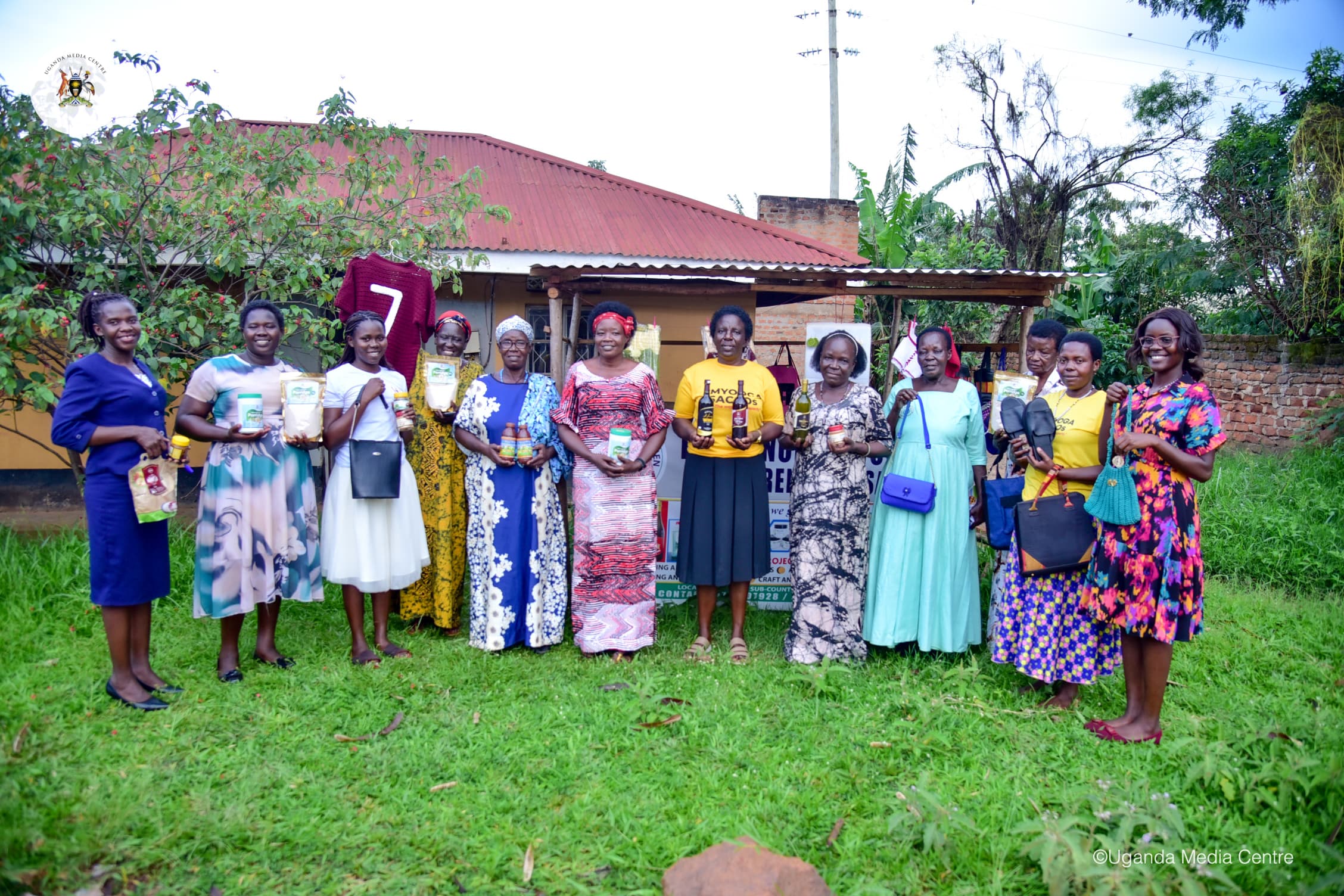
In Lira City, Ms.Milly Grace Ajoro is a living example of this policy in action. Milly was once a struggling single mother. She lived in fear of moneylenders and their high interest rates. Then she joined the Erute North Women Entrepreneurs SACCO and obtained an Emyooga loan. Emyooga is one of the deliberate Government interventions to support small enterprises, especially those owned by women. Today, she isn’t just surviving; she is thriving. She makes sweaters, baby clothes, and shoes. Her daughters are in school, and their fees are paid on time.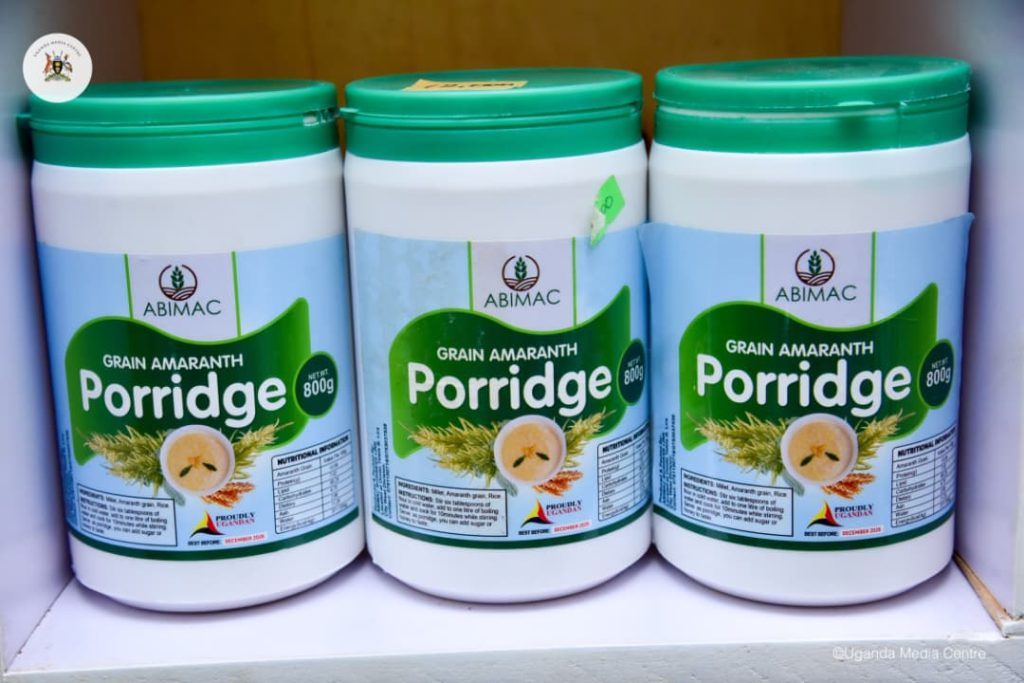 The rest of the women in Milly’s SACCO are producing wine, processing honey, keeping poultry, and making cosmetics. This is the heart of NDP IV in practice, adding value to local products before they are sold.
The testimonies of the women we spoke with showed that when you put money in women’s hands, it benefits the whole community. Women tend to invest in their families, in education, and in health. The example of Ms.Atim Stella. She received UGX 1 million under the Parish Development Model programme in 2023 and shifted her business from simply selling tomatoes to production. “I have realized a difference in my life. I pay school fees for my children, and I have a deposit on a piece of land somewhere. My capital has now grown to UGX 3 million.” With one Government intervention, a market vendor turned into a growing entrepreneur and landowner.
Then there is business growth powered by women like Ms. Immaculate Abeja. She started with only 25,000 shillings to produce wine. With a small Emyooga loan of 200,000 shillings, she improved her branding and launched a new line of composite flour. From one product to a mini-factory in her home, Immaculate is a testament to that. Immaculate started her wine business after looking for a job after school to no avail.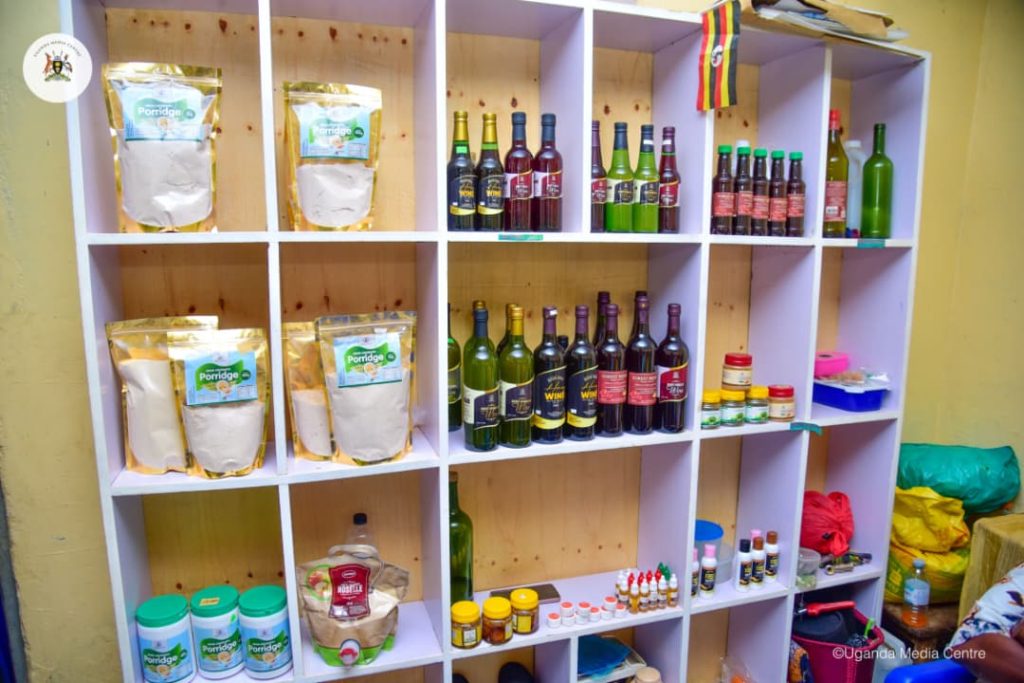 Women in Lira are no longer just “staying in the garden.” They are entrepreneurs who rush from their gardens to their market stalls. They are the engine of the Lira Main Market, which stands like a giant monument to trade in the center of the city. They are also serious traders in produce, loading and unloading trucks to and from the market. Many of these women are beneficiaries of government programs such as the Parish Development Model and Emyooga.
The District Health Officer, Dr. Patrick Ocan, told us that more people are accessing healthcare now because they have the “spare money” to pay for a boda boda ride to the clinic, and some have bought bicycles, which help them travel.
The Government’s goal under NDP IV is Agro-Industrialization, turning our crops into finished products. In villages such as Ayac, Ogur, Ajwang, and Awiodyek, I saw this in action through the efforts of hardworking men and women, supported by Government infrastructure and financing. MMP Agro Industries, which we visited, buys sunflower and soya in large volumes from individual farmers and groups. This creates a ready market, offers better prices, and encourages farmers, many of them women, to grow more.
Mr. Patrick Olobo of Mwalimu Smart Farm was a teacher, but he responded to the President’s call to convert his home into an economic unit. With government-funded microscale irrigation, he grows bananas and coffee year-round. He has even given banana suckers to his workers so they can start their own farms, spreading wealth creation beyond his household.
Then there is Mr. Patrick Otim in Ogur Sub-County. He took his 1 million shillings from PDM and multiplied it. He grew maize, sold it for 2 million, bought a cow, and later a secondhand motorcycle to help with his business. He has now expanded to four acres of sunflowers and beans.
Unity and Roads. None of this would happen without what the NRM Government calls the “Foundations”: infrastructure, peace, and good leadership. We toured the new “seed oil roads” built under the National Oil Seeds Project (NOSP). These roads connect sunflower and soybean farmers to the large factories in Lira that produce cooking oil and soap. Good roads allow a farmer to move her produce quickly, cheaply, and safely. They also enable a SACCO member to access a bank, a health center, and a market in a single day.
Lira proves that government programs work when taken seriously and implemented in unity. The NDP IV isn’t just a document in Kampala; it is Milly’s sweater business, Atim’s piece of land, Immaculate’s branded wine and flour, Otim’s new cow, and the well-paved road that carries sunflower seeds to the mill.
The Government has provided the seed, the roads, and the peace. Now it is up to us to plant. If Lira can transform from the pain of 2010 into a powerhouse by 2026, so can your village.