


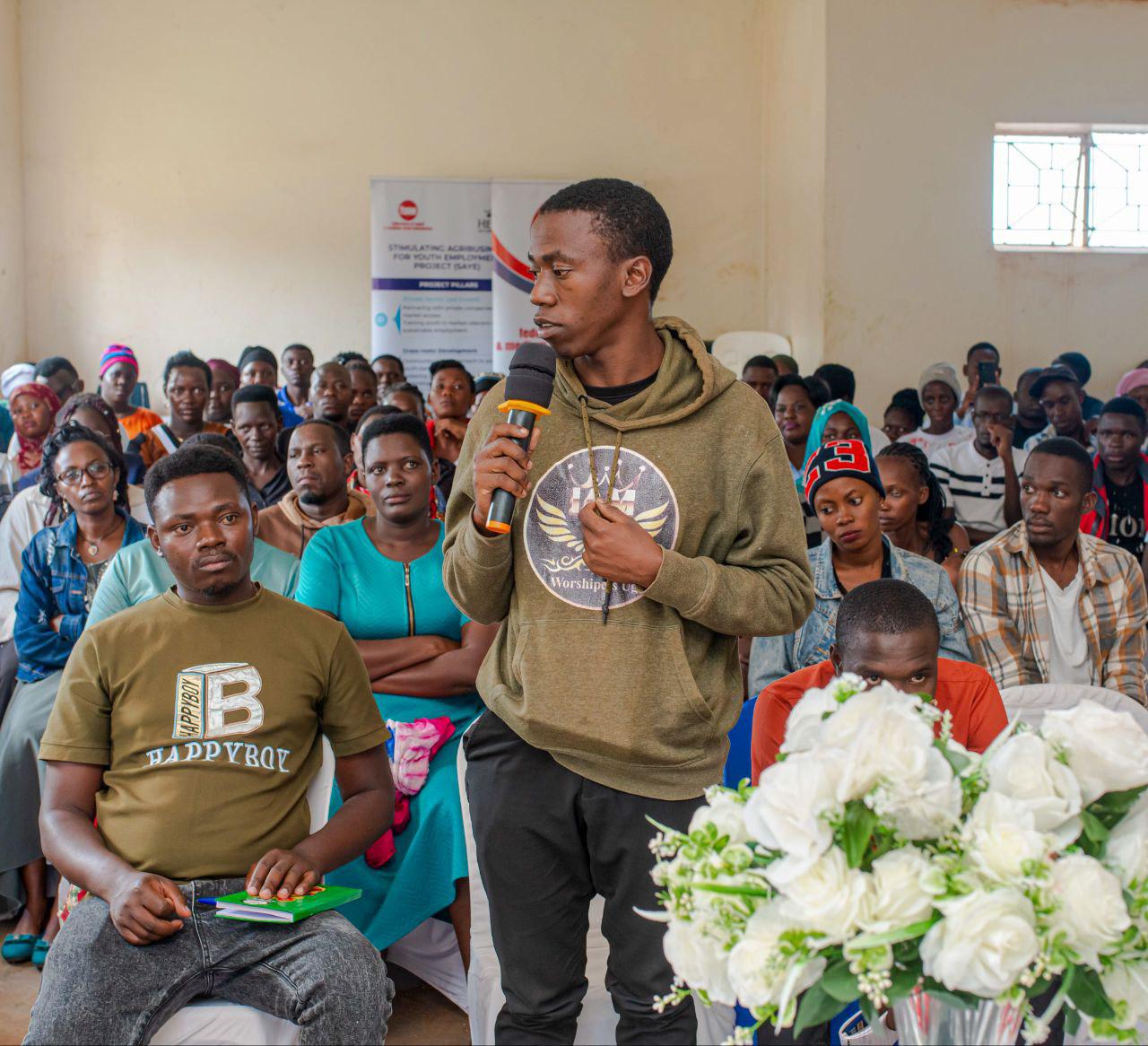
IGANGA District: Young people across the Busoga sub-region are increasingly turning to entrepreneurship, thanks to skills gained through the Stimulating Agribusiness for Youth Employment (SAYE) project.
Launched in 2024, the SAYE project is implemented by a consortium of five organizations, led by Heifer International. The Federation of Small and Medium-Sized Enterprises (FSME) is one of the key implementing partners.
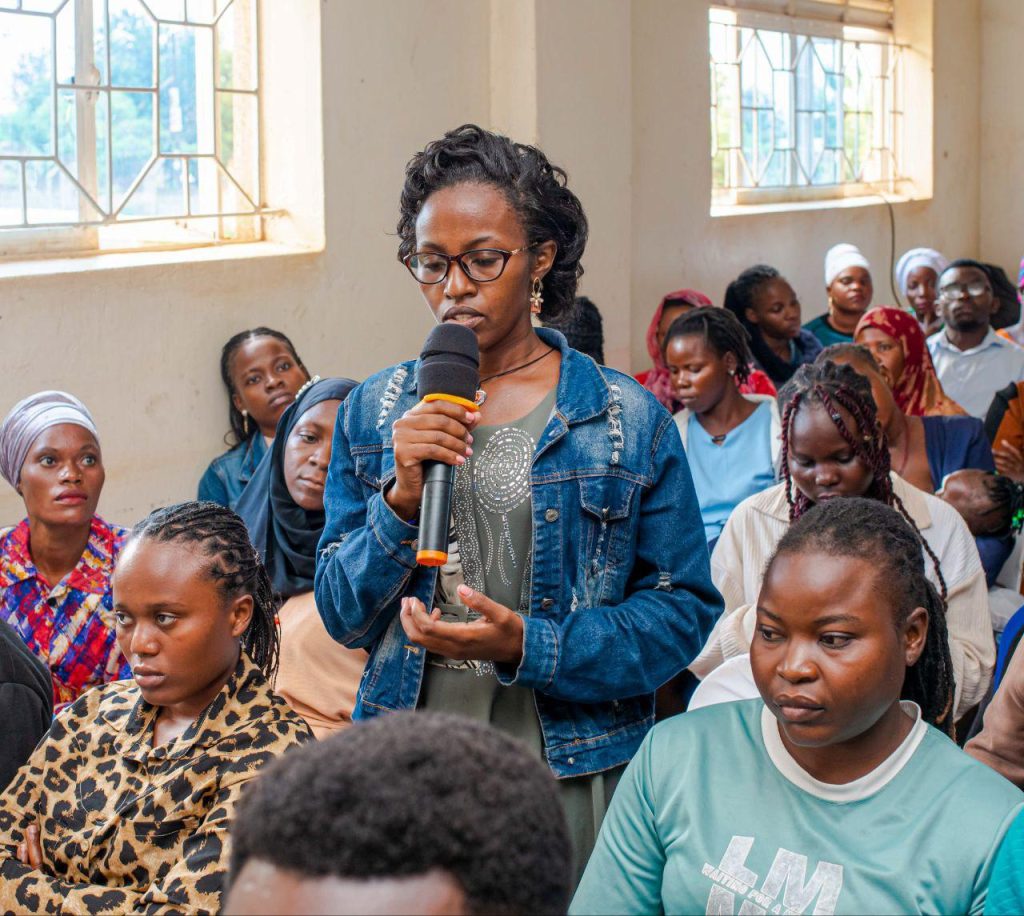
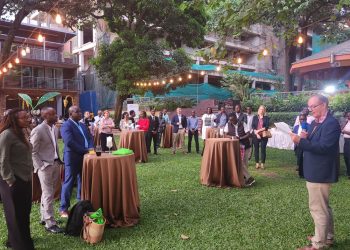
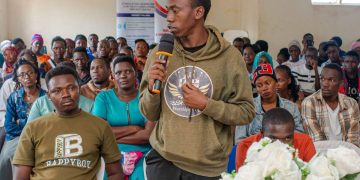
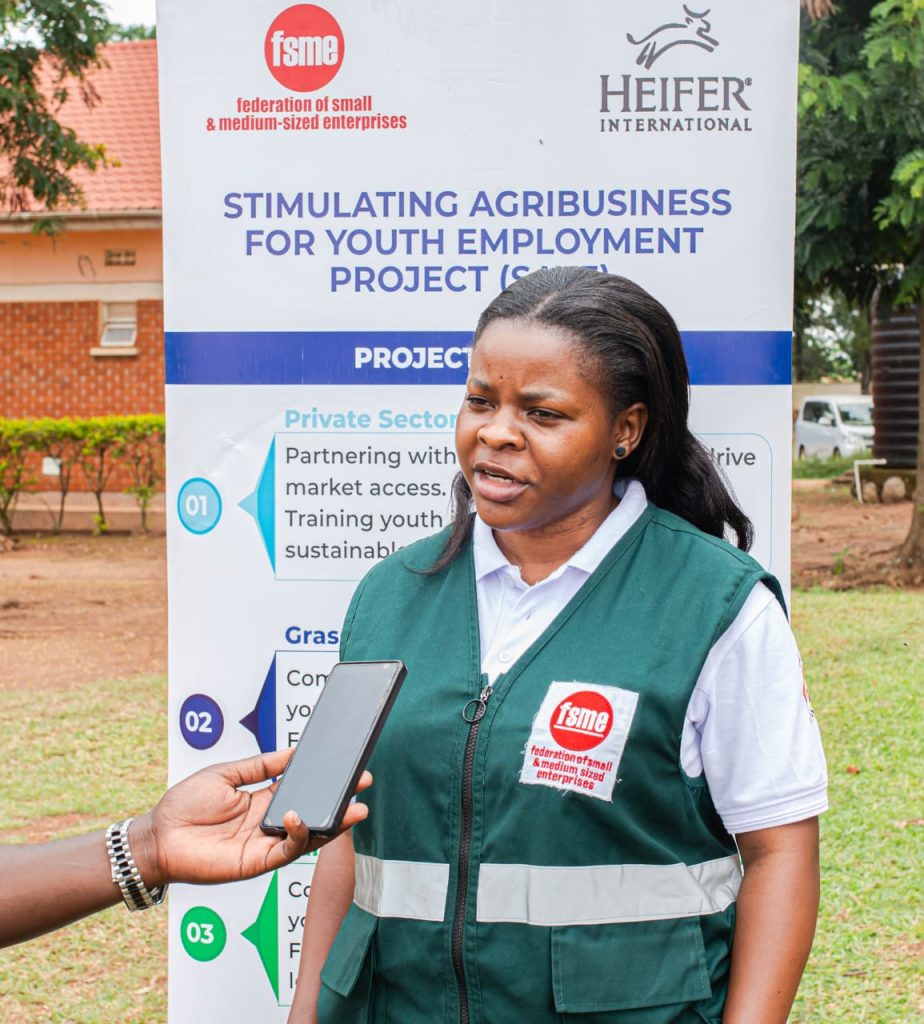
Speaking during a stakeholder dialogue held in Iganga, Kansiime Lydia, FSME’s Policy Grouping and Marketing Officer under the SAYE project, highlighted the initiative’s positive impact. She noted that the project has been equipping youth with entrepreneurial skills, linking them to markets, and offering various forms of business support.
“Before we came here, many young people had a negative perception of entrepreneurship. But after receiving our training, they’ve shown remarkable transformation and are now developing viable business ideas,” Kansiime said.
One of the beneficiaries, Babirye Mellisa from Iganga District, expressed her appreciation for the support she received from FSME. She explained that beyond helping her start a business, the project also equipped her with the knowledge to sustain and grow it.
However, Mellisa pointed out that young entrepreneurs continue to face several challenges, including high taxes, limited access to capital, poor infrastructure, and lack of land—particularly for those entering the farming sector.
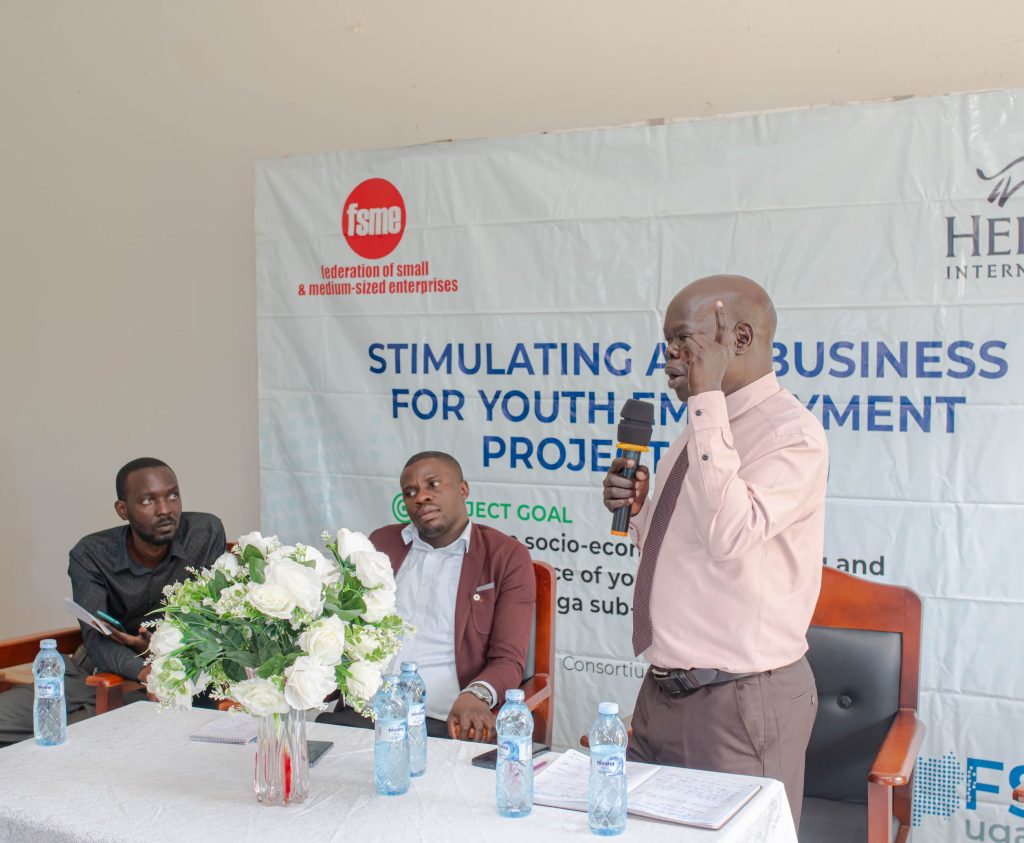
In response, the Deputy Chief Administrative Officer (CAO) of Iganga District, Onyait Silver Ochan, encouraged youth to take advantage of government initiatives such as the Parish Development Model (PDM) to overcome financial barriers. He also urged them to formalize their businesses in order to access government and private sector opportunities.
The SAYE project aims to empower 250,000 youth—70% of them women and 3% youth with disabilities—across 11 districts in Busoga by 2029.
Target districts include Iganga, Jinja, Kamuli, Bugiri, Bugweri, Mayuge, Buyende, Luuka, Kaliro, Namutumba, and Namayingo.