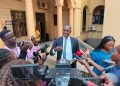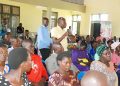



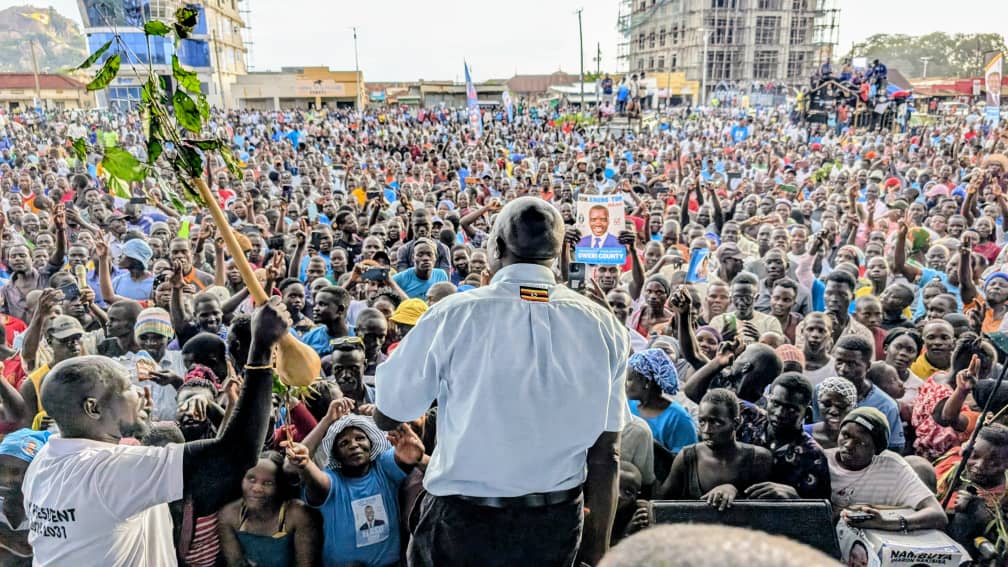
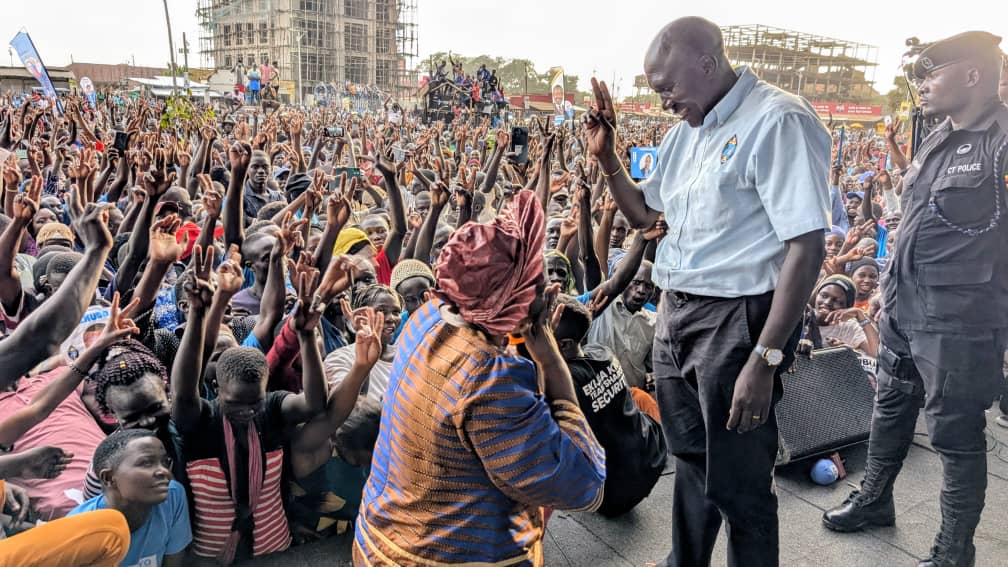
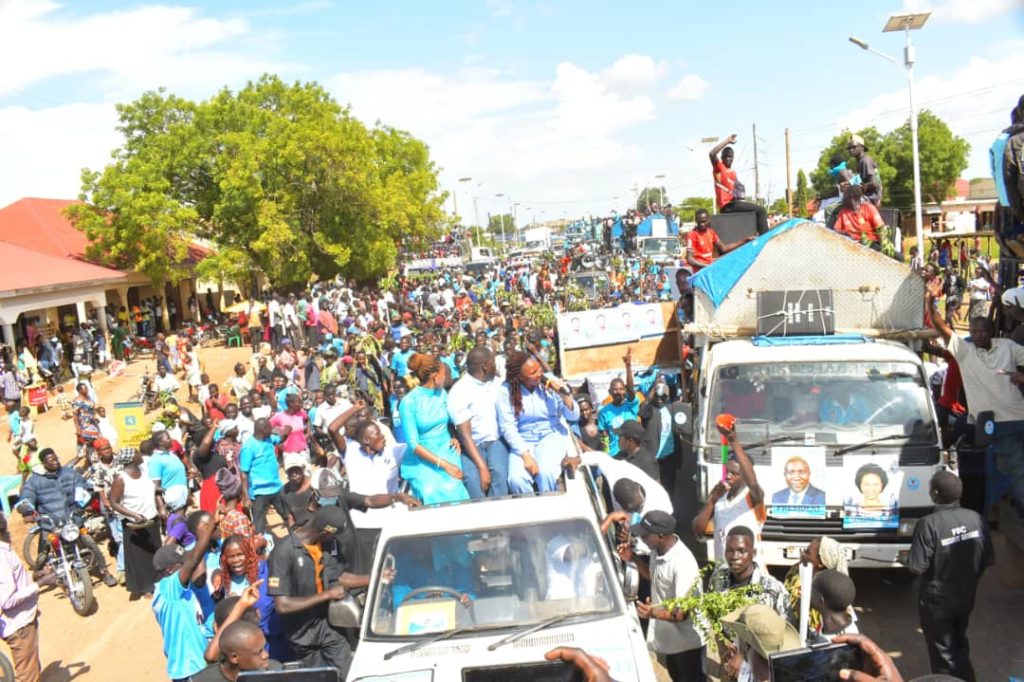
Forum for Democratic Change (FDC) presidential candidate Nathan Nandala Mafabi has rallied the people of Teso to vote for a new government that will rescue the country from accumulating more debt.
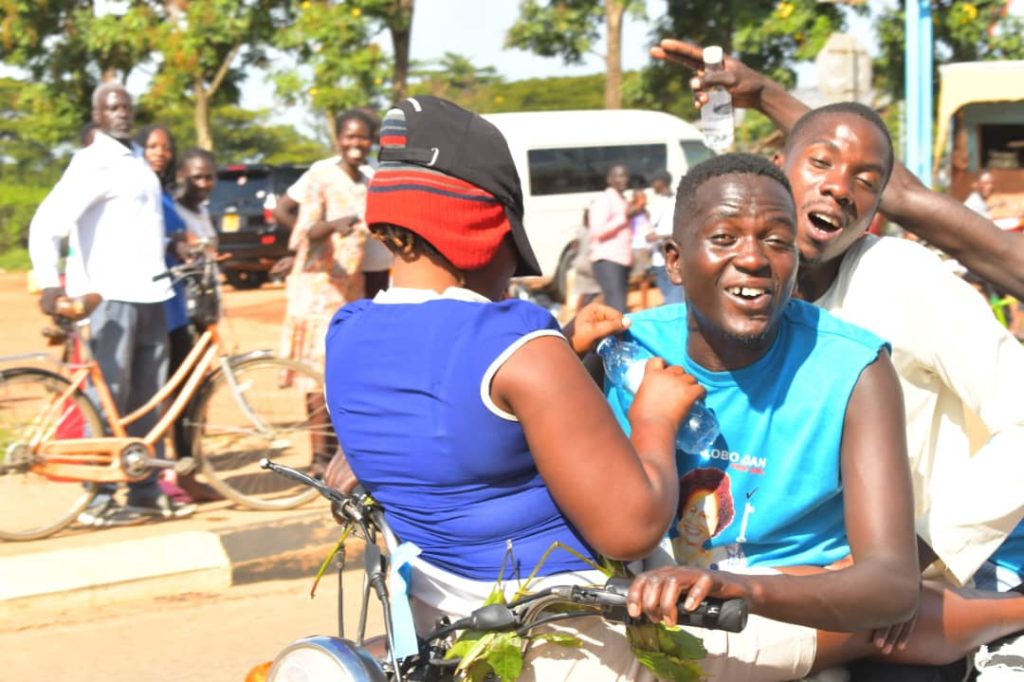
Addressing a campaign rally in Arrow Square, Soroti City, Nandala Mafabi attributed the country’s heavy debt burden to poor policies under the current administration.
The national debt has hit 150 trillion shillings, sparking concerns about the country’s financial future.
Nandala Mafabi, an economist and seasoned politician, promised to implement favorable economic policies to stabilize the country’s finances if elected president.
Nandala Mafabi dismissed President Museveni’s claims that he is unfit to lead the country due to his alleged role in acquiring debts for the Bugisu Cooperative Union (BCU).
He challenged Museveni to provide evidence supporting these claims, emphasizing that he has never engaged in corrupt activities.
Nandala Mafabi criticized Museveni for making empty promises to the people of Teso, including constructing roads and compensating those affected by past conflicts.
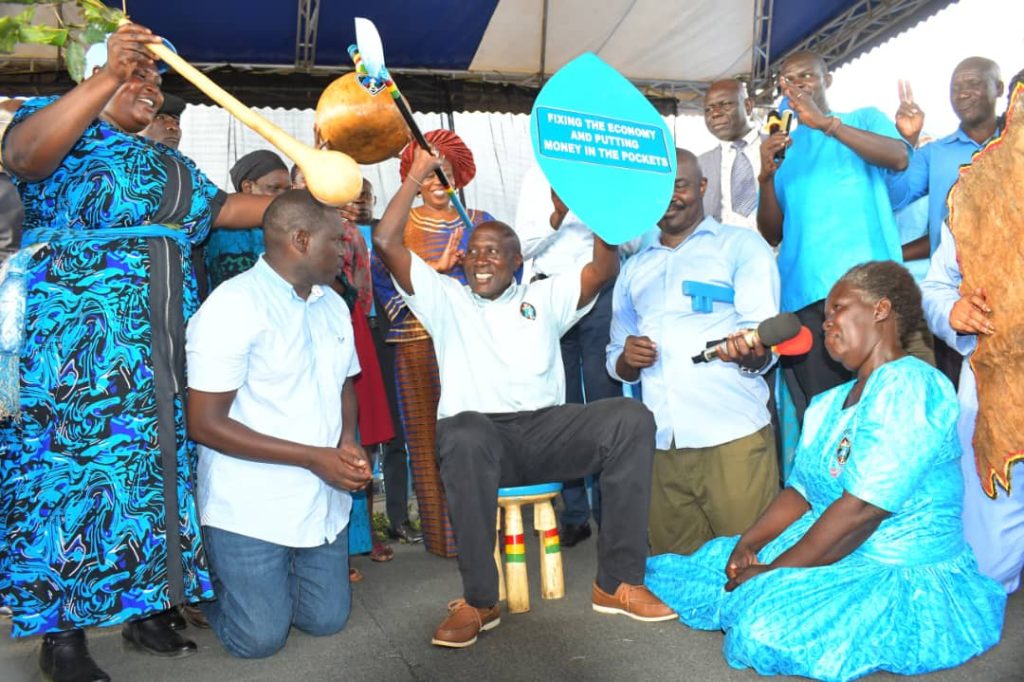
He highlighted the FDC’s manifesto promises, such as establishing a fruit factory and starch factory, improving infrastructure, and providing quality education and healthcare.
The FDC presidential candidate urged the people of Teso to be cautious of Museveni’s lies and instead vote for a government that will prioritize their needs.
He also challenged Anita Among, the NRM second vice chairperson, to focus on developing the region rather than spreading propaganda.
The FDC’s manifesto presents a clear and ambitious vision for the country. At its core is a commitment to economic development, with policies designed to attract investment and strengthen infrastructure, laying the foundation for sustainable growth.
Equally important is the promise of accessible quality education and healthcare, ensuring that every citizen can thrive.
The manifesto also prioritizes security, proposing enhanced support for security personnel, including improved facilities and free education for their children up to the university level. Together, these initiatives reflect a holistic approach aimed at building a prosperous, healthy, and safe nation.