


Kaliro District has increasingly become a portrait of rural frustration, with residents speaking openly about the strain of living amid crumbling infrastructure and limited access to essential services.
Dusty, uneven roads cut off communities during rainy seasons, health centers struggle with shortages, and schools operate with resources far below what families say they need. For many, the feeling is not just neglect but abandonment.
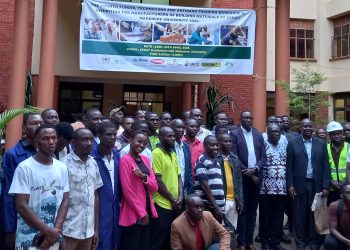
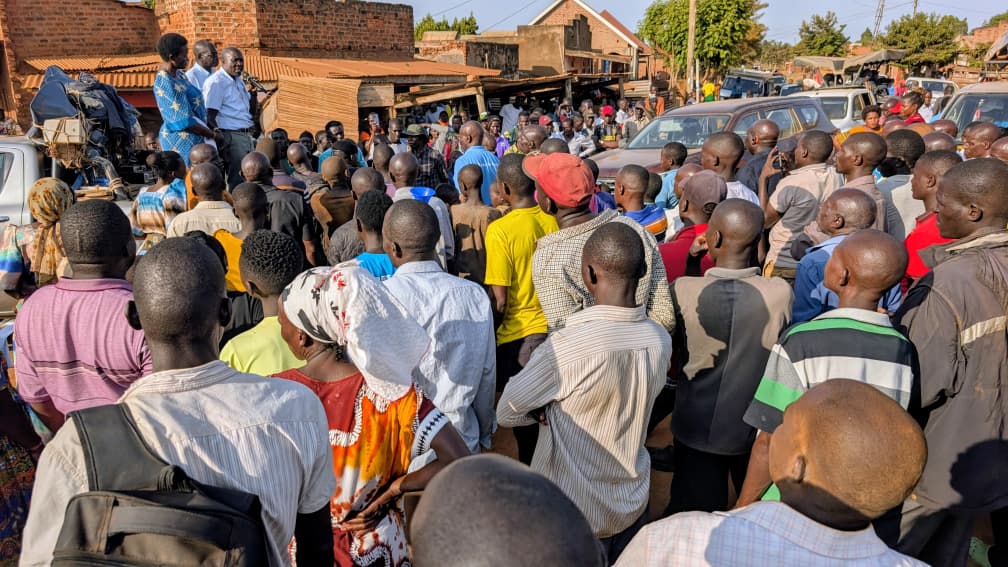
It is into this climate of discontent that Forum for Democratic Change presidential candidate Nathan Nandala Mafabi and party president Patrick Amuriat Oboi stepped during their recent visit.
Their message sought to harness the district’s restlessness, presenting what they described as a credible alternative to the status quo.
Amuriat criticized the current administration for what he called years of underinvestment in areas like Kaliro. He pointed to the district’s road network and lack of visible development as evidence that residents who contribute to the national economy have not been given a fair return.
He urged voters to reflect on whether longstanding political loyalties have improved their living conditions.
Mafabi reinforced this line of argument, questioning the effectiveness of government programs such as the Parish Development Model.
He framed himself as a leader familiar with the everyday struggles of ordinary citizens, pledging to revive agricultural and cooperative banks to increase access to interest-free credit.
He also highlighted the urgency of creating opportunities for young people and strengthening health and education services.
FDC leaders argue that economic revitalization, stronger social services, and improved infrastructure are central to restoring confidence and progress in districts like Kaliro.
Supporters believe that affordable credit would boost farming and small businesses, that job creation would curb youth unemployment, and that functional roads, clinics, and schools would rebuild trust between citizens and the state.
As political campaigns gather momentum, Kaliro has emerged as a battleground for competing visions of Uganda’s future. It is a place where frustration is shaping political conversations, where loyalty is no longer guaranteed, and where residents are increasingly vocal about their desire for change that touches their everyday lives.