


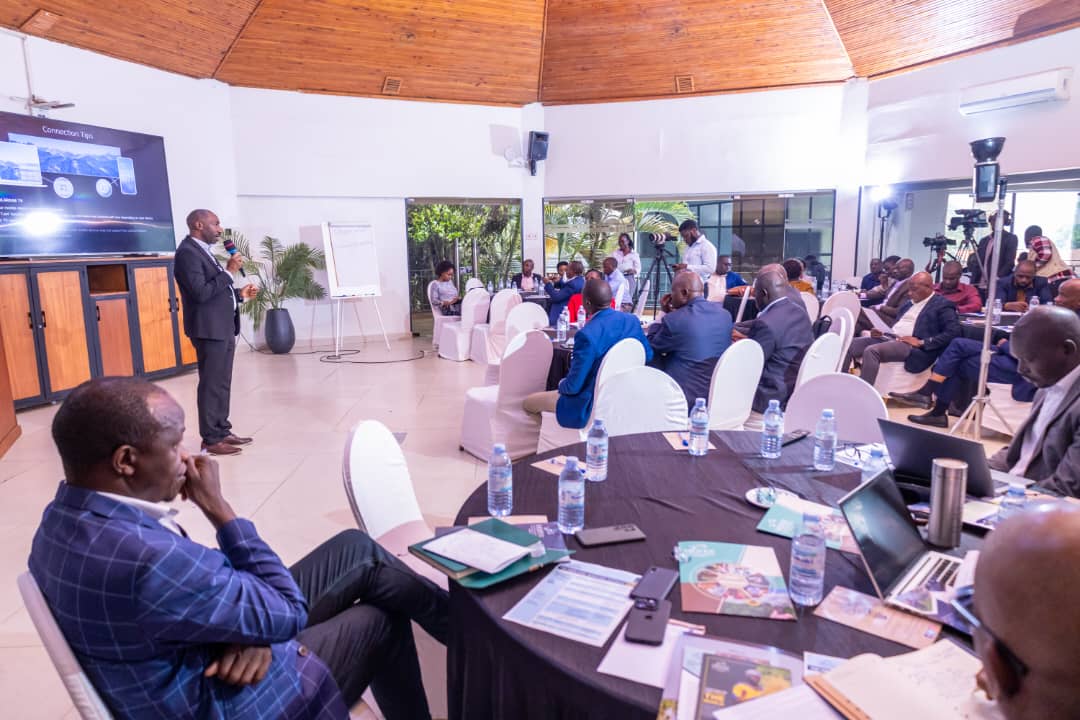
KAMPALA, Uganda – A new $4 million Green Dairy Investment Program (GDiP) has been launched to boost productivity, sustainability, and market access for 20,000 dairy farmers across central and southwestern Uganda.
The three-year initiative is funded by aBi Trust, the Royal Danish Embassy, and the European Union, and will be implemented by Heifer International. The launch was held at Fairway Hotel in Kampala.
Boosting Productivity and Market Access
Speaking at the launch, William Matovu, Country Director of Heifer International, said the program aims to catalyze investment across the dairy value chain, focusing on improving production, productivity, and access to markets.
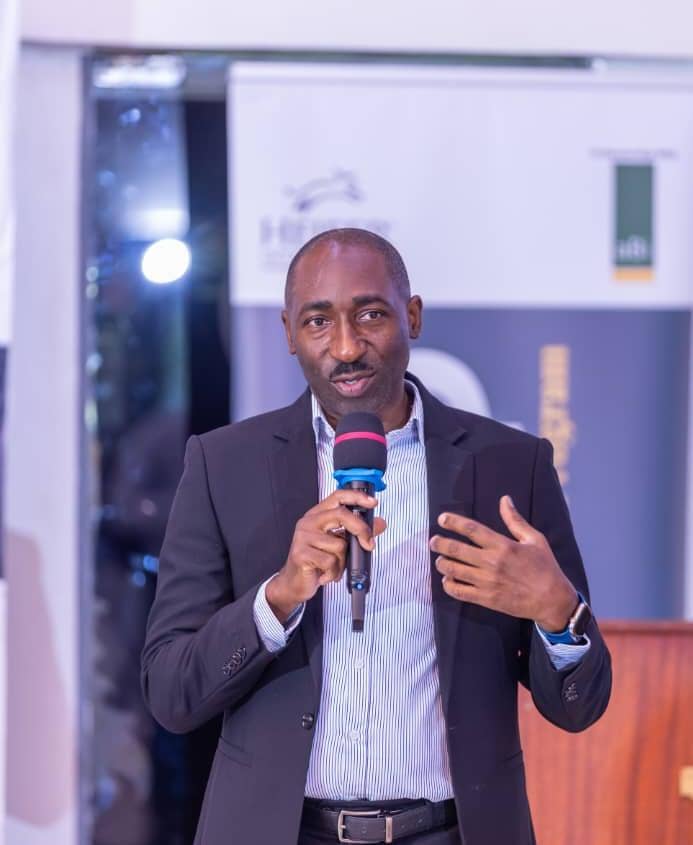
“This is close to a $4 million investment over three years targeting 15 districts in central and southwestern Uganda. Our focus is to ensure sustainable dairy production that increases farmer incomes while strengthening the entire value chain,” Matovu said.
He noted that although Uganda’s dairy exports currently generate approximately $260 million annually, the sector has the potential to reach $500 million per year with improved efficiency and sustainability.
Green Solutions at the Core
A key pillar of the program is “greening” the dairy value chain to address climate change and environmental sustainability.
The initiative will introduce solar-powered milk cooling systems, promote biogas technology for manure management, improve fodder production and conservation, and encourage sustainable soil and water management practices.
Mr. Matovu emphasized that sustainability is critical to ensuring long-term competitiveness in the dairy sector.
“As agricultural dynamics change, sustainability is no longer optional. We must invest in technologies and practices that secure the future of dairy farming,” he said.
Government Welcomes the Initiative
The Ministry of Agriculture, Animal Industry, and Fisheries (MAAIF) welcomed the initiative, describing it as aligned with Uganda’s national agricultural transformation agenda.
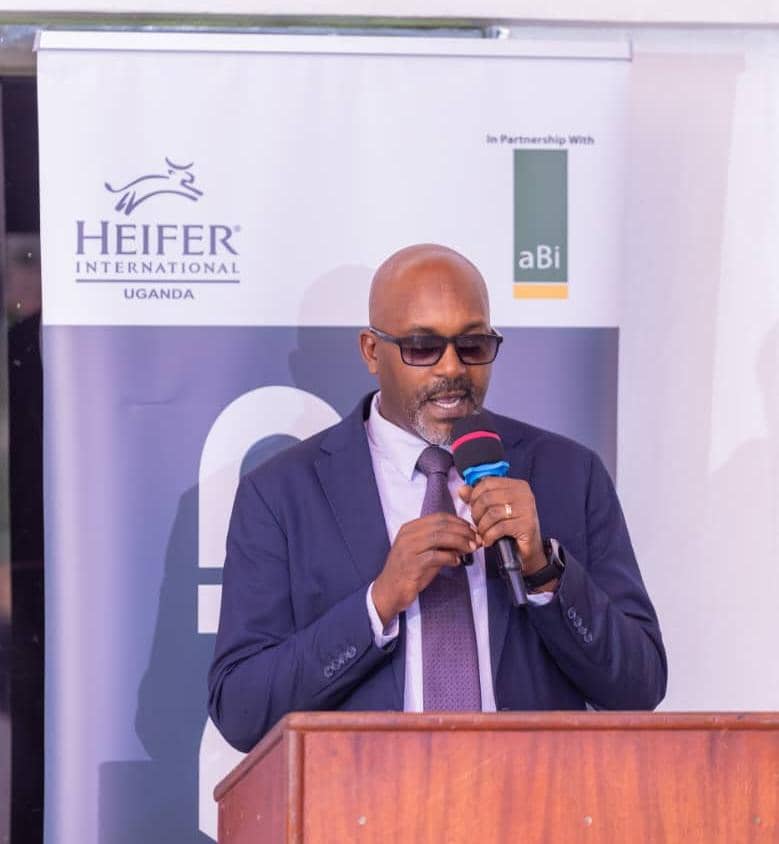
Samson Akankiza, Commissioner for Dairy Development and Production at the Ministry, said the partnership complements government priorities.
“As a country, we are focused on three key areas to ensure competitiveness and value in the dairy business: improving breeds, enhancing nutrition, and managing animal diseases,” Akankiza said.
He noted that Uganda currently produces about 5.3 billion litres of milk annually, largely from smallholder farmers, underscoring the need to make the industry more sustainable and climate-resilient.
Catalytic Financing and Private Sector Engagement
aBi Trust CEO Moses Nyabila highlighted the organization’s role in providing catalytic financing to de-risk investments in the dairy sector.
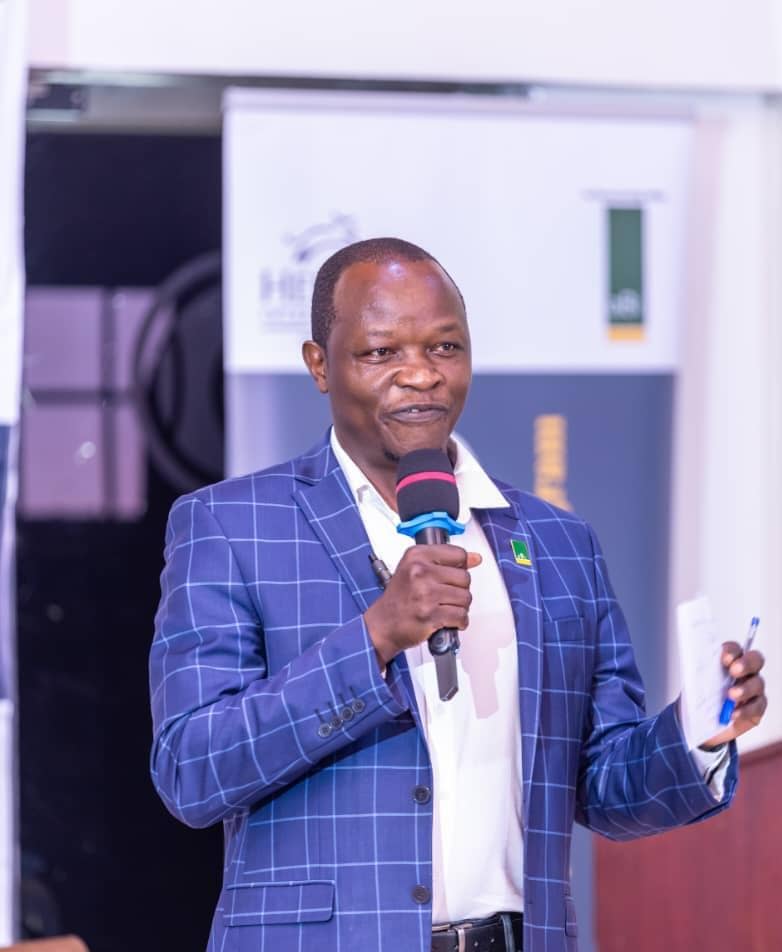
“We are subsidizing solar systems, working with banks such as Stanbic Bank Uganda to de-risk lending, and helping farmers develop bankable business plans,” Nyabila explained.
He added that feasibility studies are being conducted at nearly 100 sites to prepare farmers for investment opportunities.
Danish and EU Support for Sustainable Agribusiness
Mr. Jacob Kahl Jepsen A representative from the Royal Danish Embassy emphasized Denmark’s long-standing commitment to Uganda’s agricultural development, noting over 15 years of support in agribusiness.
The dairy program forms part of broader Danish and EU support to Uganda’s agriculture sector, including work in coffee, climate adaptation, agriforestry, and wetland restoration.
The Danish government underscored the importance of strengthening the entire dairy value chain from farm-level production to cooperatives and processors while ensuring job creation and inclusive growth.
“We want to support smallholder farmers, cooperatives, and value chain actors to build efficiency and sustainability without excluding people from the sector,” the representative noted.
A Multi-Stakeholder Approach
The Green Dairy Investment Program brings together government, development partners, financial institutions, researchers, and private sector players to ensure coordinated action.
Officials stressed that the $4 million investment is catalytic rather than sufficient on its own, calling for continued government backing and private sector participation to unlock the dairy sector’s full potential.