Uganda’s Civil Aviation Authority (UCAA) is owed 233.9 billion Ugandan shillings (about $64 million) by government institutions and the state-owned national airline, lawmakers heard this week, raising concerns over public financial management and the future funding of the country’s aviation sector.
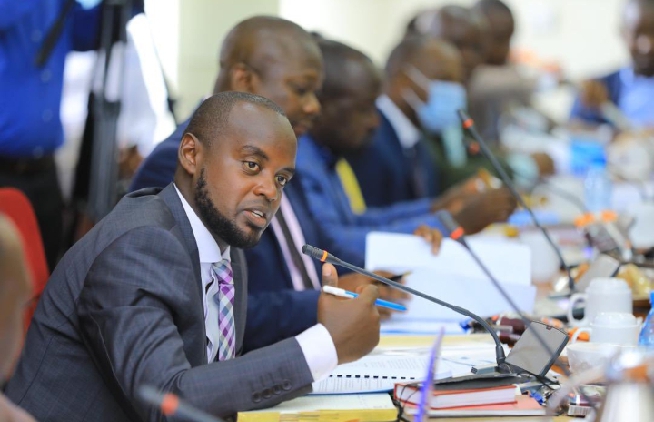
The disclosure was made during a meeting between UCAA officials and Uganda’s parliamentary Committee on Physical Infrastructure on 16 July, where legislators questioned why the authority’s unpaid receivables had increased sharply over the past six months.
According to figures presented to the committee, the debt has risen by nearly 100 billion shillings since December 2025, when the Auditor General reported outstanding payments of around 136 billion shillings.
Government ministries, departments and agencies account for approximately 91.7 billion shillings of the total, while state-owned Uganda Airlines owes a similar amount.
Committee chair Mwine Mpaka warned that the pace of the increase raised questions about fiscal discipline within government institutions.
“As of December 2025, according to the Auditor General, your debt was 136 billion shillings,” he said during the hearing. “Within a period of about six months, your debt has accumulated about 100 billion extra. So what will happen in December?”
The UCAA is responsible for regulating Uganda’s civil aviation sector, managing operations at Entebbe International Airport and providing air navigation, security and aviation infrastructure services.
Much of its income comes from user charges and service fees, making timely payments from government entities an important source of operational funding.
Uganda has sought to position Entebbe International Airport as a regional aviation hub while expanding airport infrastructure and strengthening its role in East Africa’s growing air transport market.
Authorities also plan to separate the UCAA’s regulatory and airport management functions by 2027, a move intended to align with international governance standards by reducing potential conflicts of interest.
Lawmakers expressed concern that the mounting unpaid bills could undermine those ambitions if they continue to restrict the authority’s cash flow and investment capacity.
Jacinta Atuto, a member of the committee, questioned whether the authority’s financial projections for future expansion remained credible given the growing collection gap, and called for a detailed debt recovery strategy with clear implementation timelines.
Nathan Byanyima also highlighted what he described as the unusual situation of the Ministry of Works and Transport, which oversees the aviation authority, being among the institutions with outstanding obligations, alongside the Ministry of Foreign Affairs.
He urged UCAA officials to explain the challenges they face in enforcing payment across government.
The hearing also touched on the health of UCAA Director General Fred Bamwesigye after lawmakers sought clarification about his reported medical absences.
Deputy Director General Olive Birungi Lumonya told the committee that Bamwesigye remained in office, continued to perform his duties while receiving treatment and that the authority’s operations had not been disrupted.
UCAA officials said they would continue engaging the Ministry of Works and Transport and pursue formal service agreements with debtor institutions. Members of parliament, however, said those efforts should be backed by a comprehensive written recovery plan.
The case reflects wider concerns over Uganda’s public finances, where domestic payment arrears have repeatedly featured in reports by the Auditor General despite legal requirements for government accounting officers to settle obligations promptly under the Public Finance Management Act.
Economists say prolonged delays in payments between state institutions can place pressure on revenue-dependent agencies, limit investment in infrastructure and increase the cost of delivering public services.
For Uganda’s aviation sector, analysts say resolving the outstanding debts will be important if the country is to sustain airport modernisation plans and strengthen its competitiveness in the increasingly competitive East African aviation market.