


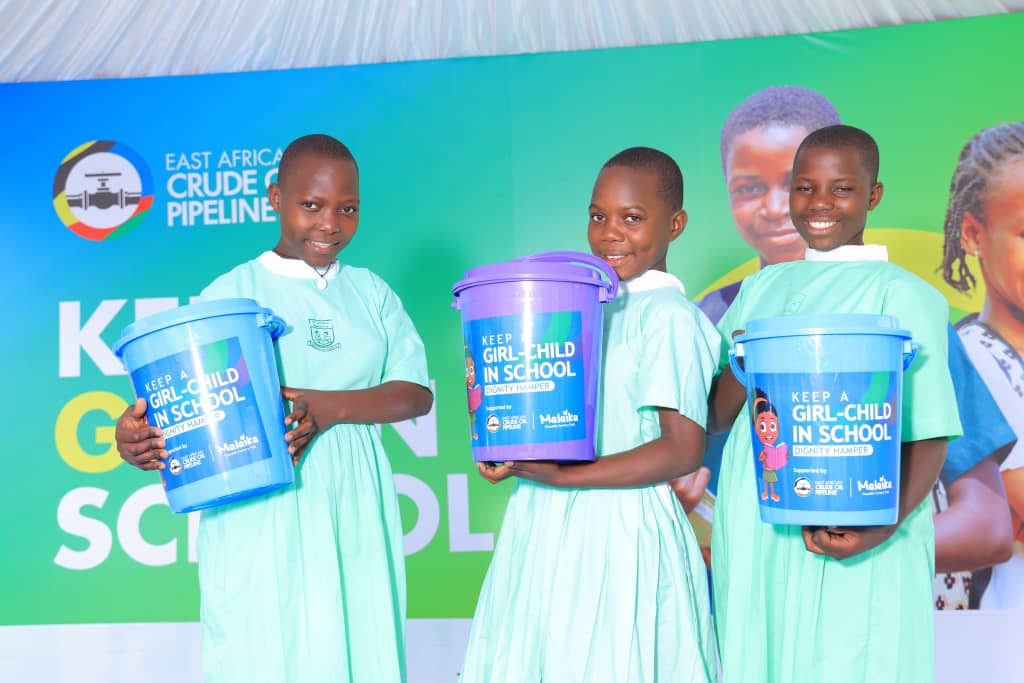
RAKAI DISTRICT, UGANDA —In a significant effort to enhance girls’ education and well-being, the East African Crude Oil Pipeline (EACOP) Ltd, in collaboration with the Malaika Foundation, has launched the “Keep a Girl in School” dignity campaign across 20 government schools in five districts namely; Rakai, Gomba, Lwengo, Sembabule and Kyotera. This initiative aims to provide menstrual hygiene products to help schoolgirls in rural communities manage their periods with dignity and remain in school.
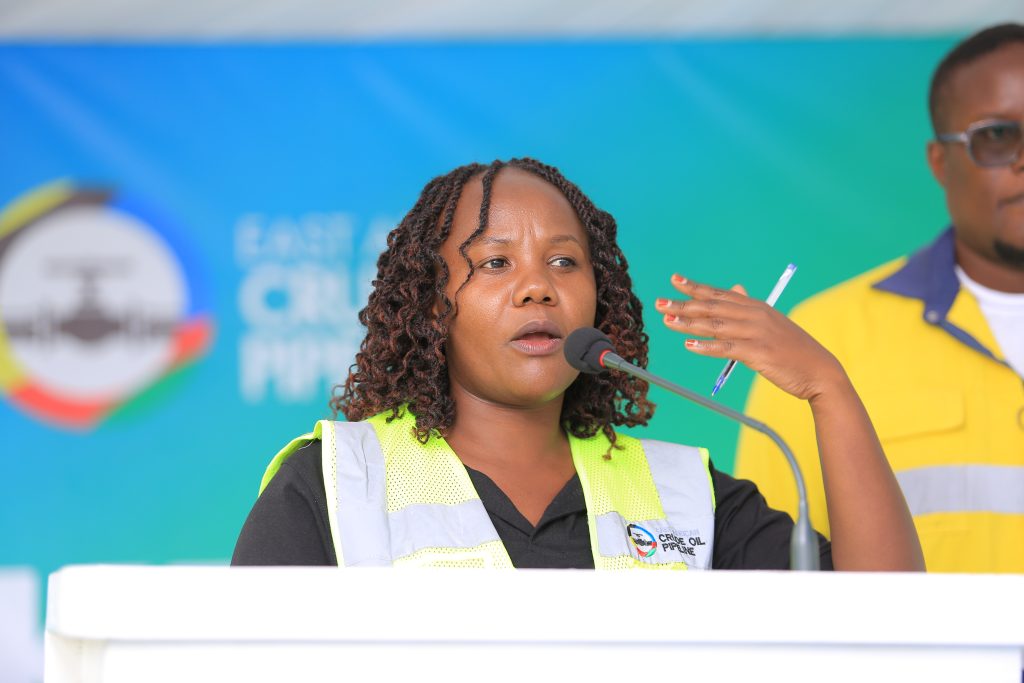
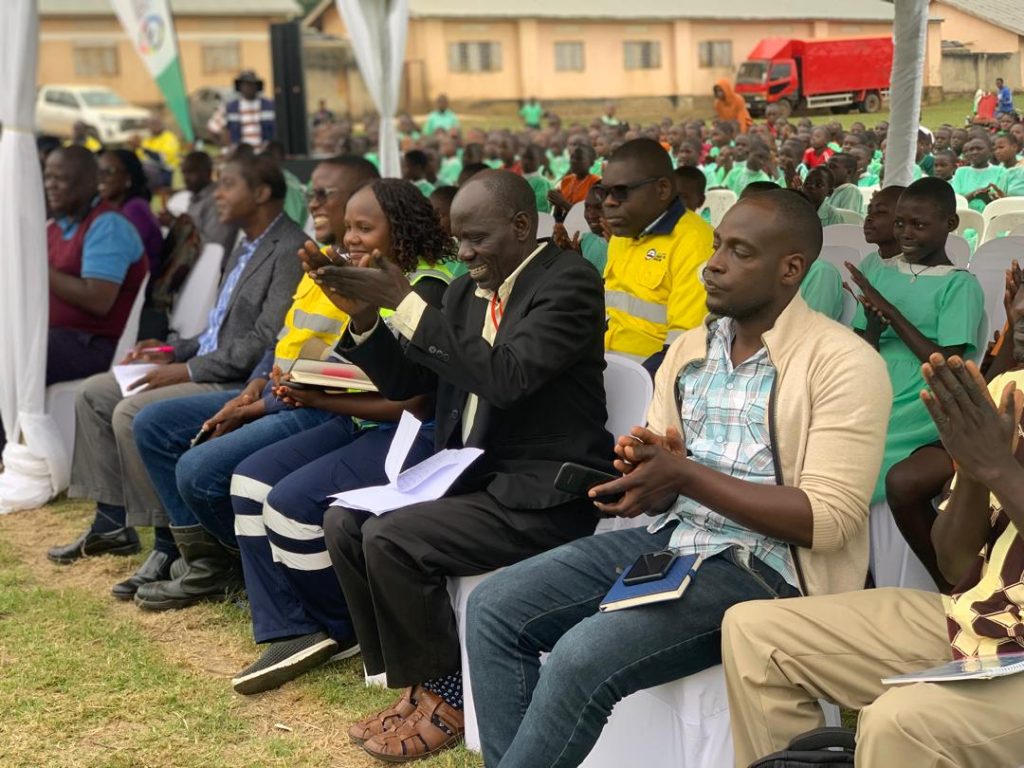
The launch was held at St. Apollo Kanoni Primary School in Kanoni Parish, Kamuli Village, where hundreds of students, teachers, and local leaders gathered to witness the distribution of dignity hampers. Each hamper included four packets of reusable sanitary pads, three pairs of underwear, detergent, and a bucket—providing a sustainable solution for girls who frequently miss school due to limited access to menstrual hygiene products.
“When girls have access to proper sanitary products, they can stay in school, participate fully, and pursue their dreams,” said Matred Murungi, Social and Environmental Investment Manager at EACOP. “Menstrual health is a fundamental part of ensuring that girls can thrive in school. We are removing a major barrier to education and giving girls the opportunity to succeed and break the cycle of inequality.”
Local Impact: A Step Toward Educational Equity
According to Mr. Kasumba Amos James, Head Teacher at St. Apollo Kanoni Primary School, the intervention is timely and transformational.
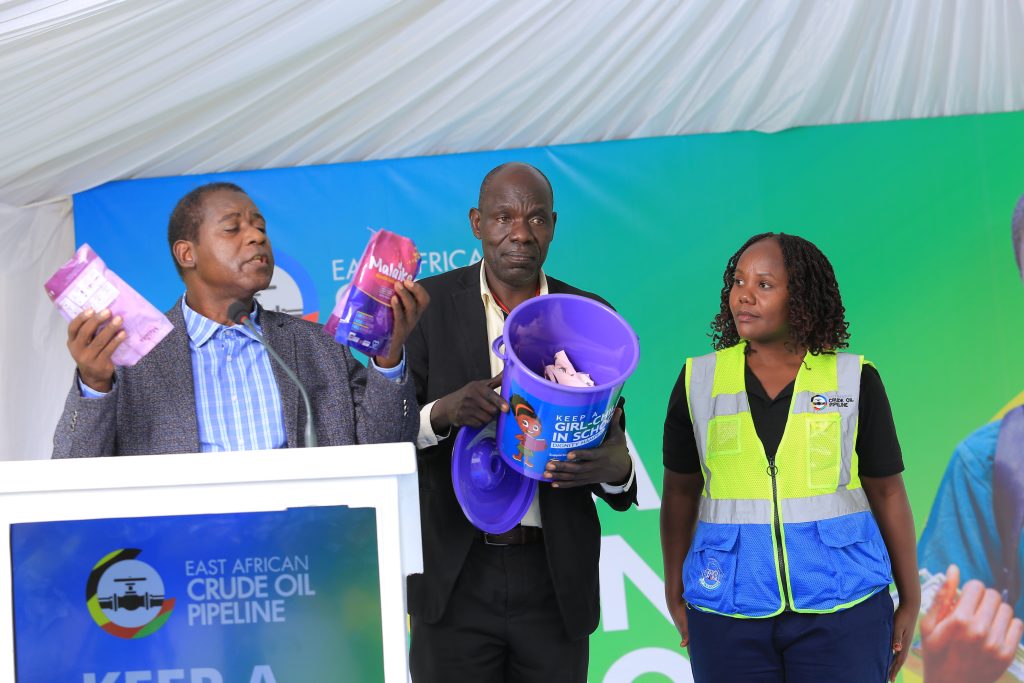
“Out of our 1,203 students, 640 are girls. Many of them miss school due to a lack of sanitary pads. This partnership with EACOP and Malaika gives them the freedom and dignity they need to attend class consistently,” he said.
He explained that the availability of sanitary pads will directly contribute to better academic performance, improved self-esteem, and increased retention of girls in school.
Mirembe Monica, school Head Prefect , and Nagirinya Asera Maria, school Head Girl, in Primary Six, echoed these sentiments, saying the donations have boosted confidence of many girls and removed the fear and shame that often come with menstruation.
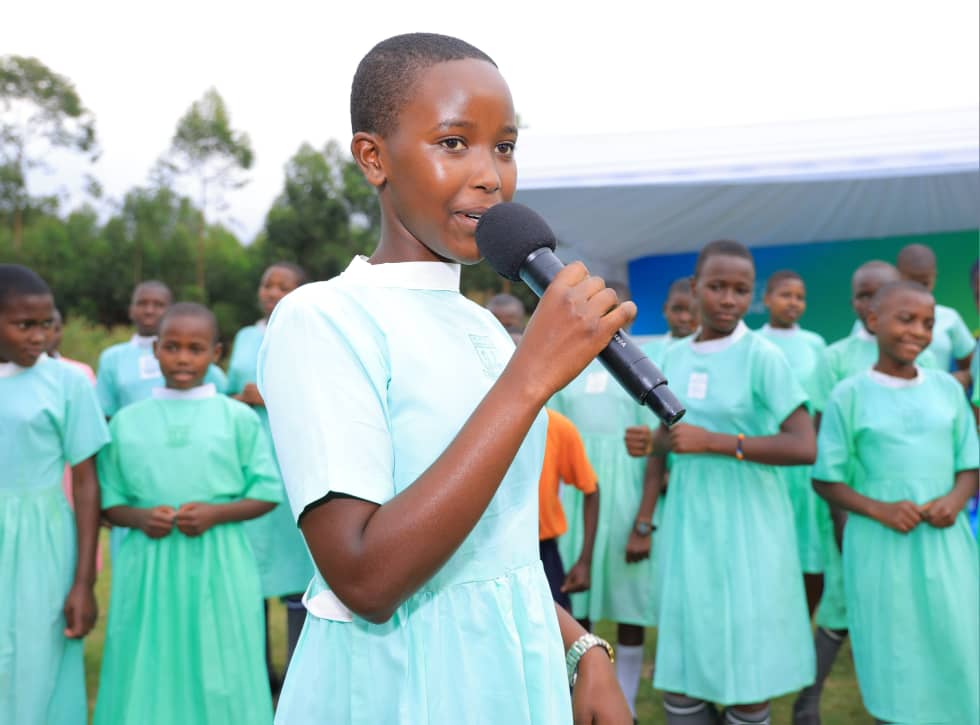
“This support helps girls manage their periods with confidence and comfort. Now we can focus more in class and not worry about missing school,” said Asera Maria.
A Broader Challenge Across Uganda
The campaign is not only active in Rakai but is part of a broader regional effort, with dignity hampers reaching over 3,000 schoolgirls across districts including Hoima, Kikuube, Kakumiro, Mubende, Kyankwanzi, Lwengo, Kyotera, Sembabule, and Gomba.
This initiative aligns with Sustainable Development Goal 4 (SDG 4): “Ensure inclusive and equitable quality education and promote lifelong learning opportunities for all.” Human Rights Watch estimates that 1 in 10 girls in sub-Saharan Africa miss school during their menstrual period due to lack of adequate sanitation, a challenge this campaign seeks to solve.
Beyond Pads: Empowerment Through Dialogue and Skills
Dorothy Awori, founder of Malaika Reusable Sanitary Pads, emphasized that dignity goes beyond access to pads.
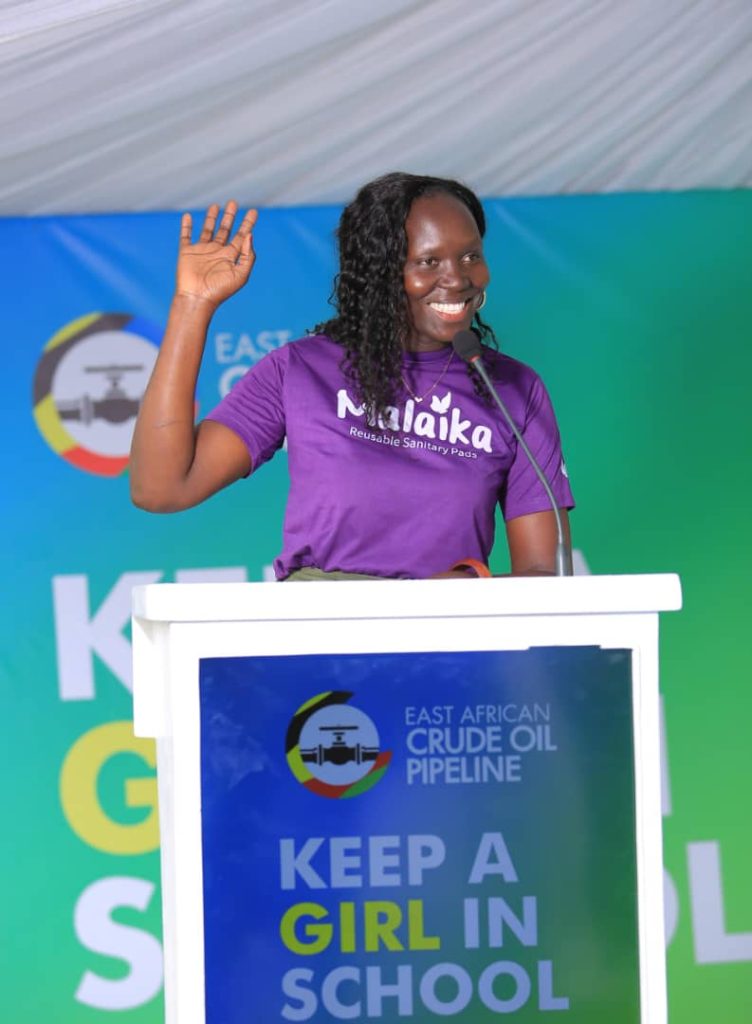
“Some girls resort to desperate measures just to manage their periods—from using soil to exchanging sex for money to buy pads,” she revealed. “We need to create safe spaces in schools where girls can talk about puberty, relationships, and hygiene without fear. To show how serious the situation is, in 2021, UNFPA conducted a study revealing that Uganda recorded approximately 351,000 new teenage pregnancies that year alone—right after the COVID-19 pandemic. Notably, this region where we are located in Buganda led with about 31,000 teenage pregnancies. As we reflect on these staggering numbers, let us take a moment to appreciate the company and team who have stepped up to support our girls. EACOP, we are truly grateful for your commitment and dedication.”
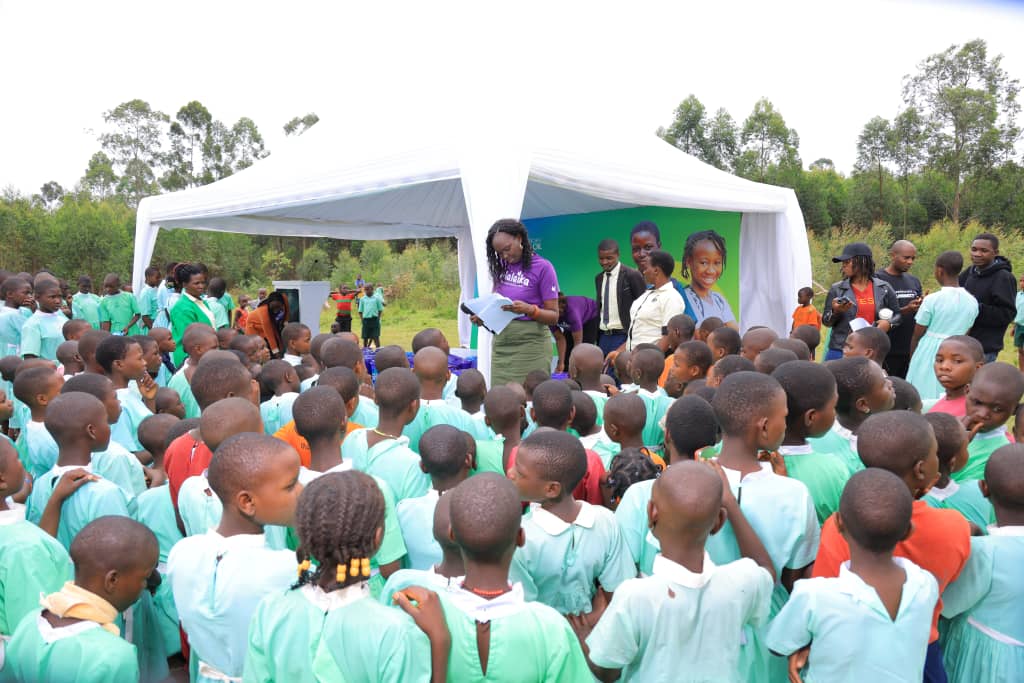
Malaika is also empowering girls by teaching them how to make their own reusable pads through school art and crafts lessons. The organization encourages peer-to-peer support systems, where students become advocates for each other and pass on these valuable skills.
Government Applauds Initiative
Mwanje Eddy, Rakai District Deputy Resident Commissioner, praised the campaign, urging its expansion to schools across the country.
“This is a life-changing intervention. EACOP and Malaika are not only contributing to infrastructure development but also ensuring social transformation. We welcome such efforts and encourage more companies to follow suit.”
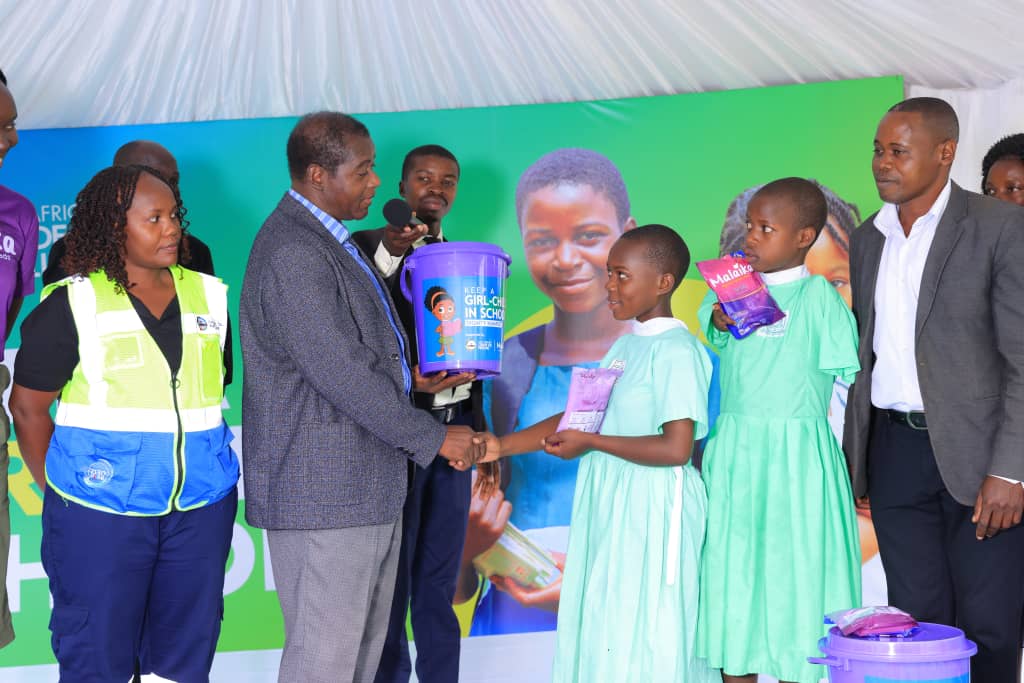
Nalubega Prossy, the District Education Officer in charge of Special Needs, expressed her sincere gratitude to EACOP and Malaika for their efforts to support girls’ education. She highlighted that girls face numerous challenges and obstacles compared to boys. Nalubega emphasized the critical role of educating girls in building a strong and prosperous society, noting that when girls are given the opportunity to complete their education, it significantly contributes to the development of the entire country.