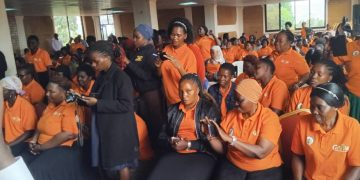



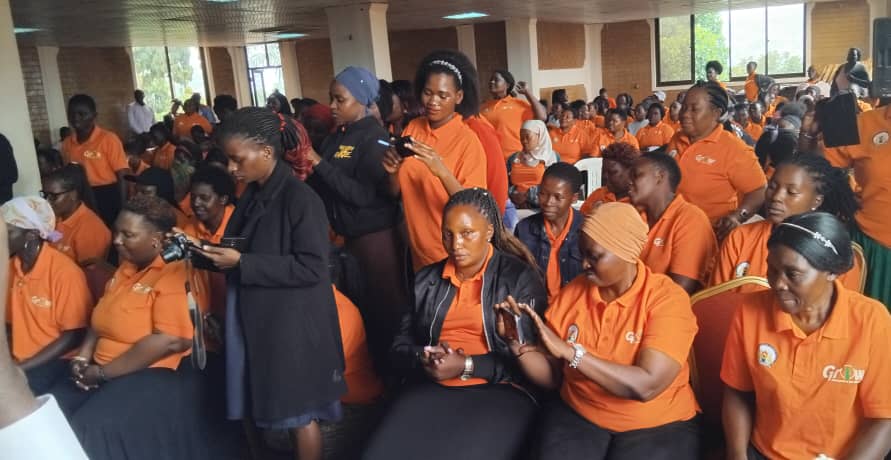
Nansana, Uganda – Over 270 women entrepreneurs from Nansana Municipality have successfully completed an intensive 10-day training under the “Grow Project: Essential Skills for Women Entrepreneurs,” a program aimed at equipping women with the tools and mindset needed to expand their small businesses into sustainable enterprises.

The training, held under the partnership of Makerere University Business School (MUBS) and the Ministry of Gender, Labour, and Social Development—with funding from the World Bank—focused on addressing the core challenges that hinder women in business, ranging from financial management and mindset transformation to leveraging technology and customer engagement.
Dr. Diana Nandagire Ntamu, Director of the Entrepreneurship, Innovation, and Incubation Centre at MUBS, emphasized the need to empower women beyond survival-based business models.
“We found that many women view their businesses as a means to survive rather than thrive,” she said. “This curriculum was designed to shift that mindset, introducing modules on entrepreneurial thinking, personal development, financial literacy, digital tools, and navigating gender norms in business.”
Delivered in both English and local languages such as Luganda to ensure accessibility, the training covered 10 key modules including business planning, emotional intelligence, customer relations, sustainable business practices, and mobile phone usage for business growth. Follow-up mentorship will support the women as they implement the new knowledge in real-world settings.

Professor Moses Muhwezi, Principal at MUBS, hailed the project as a landmark intervention for inclusive economic development.
“In developed countries, it’s not English that determines business success—it’s knowledge and communication in local languages,” he said. “Women are more attentive, committed, and tend to apply training more effectively. When we empower women, the entire household—and by extension, the economy—benefits.”
He advocated for product labeling and business communication to be done in local languages, arguing that it leads to better understanding and growth. He further encouraged continued learning outside formal education.
“This is a knowledge-based era. You can’t succeed in business today without learning. Whether it’s a church workshop or a community fellowship, keep adding knowledge—because every piece adds up.”
The GROW Project is set to train a total of 20,000 women across Uganda. MUBS alone is training 2,000 of them, and the group in Nansana marks one of the first cohorts to complete the program.
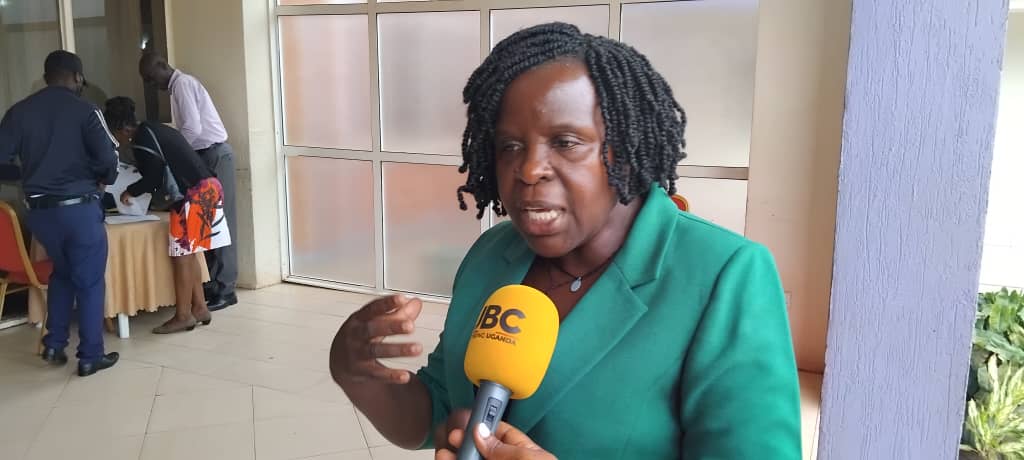
Regina Bakitte, the Mayor of Nansana Municipality, applauded the initiative and called for its expansion.
“We have over 5,000 women in small businesses in Nansana alone. We need this kind of training to reach more women so that their businesses can thrive and contribute meaningfully to local development,” she said.
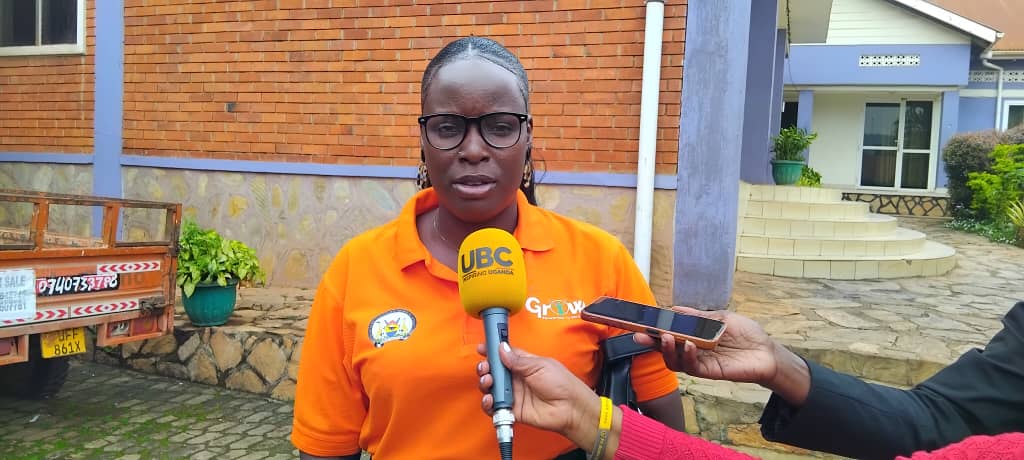
For women like Flavia Nakawuki, a boutique owner and one of the graduates, the training was a game changer.
“We had beliefs and myths that held us back. We faced challenges we didn’t know how to handle. But now, we’ve been equipped with skills and confidence. We are ready to grow our businesses into the dreams we’ve always had.”