


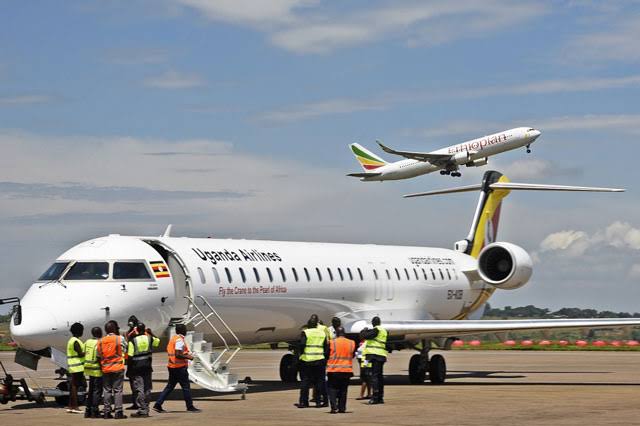
WHY ZERO RETURNS!?: The Parliamentary Committee on Commissions, Statutory Authorities and State Enterprises (COSASE) has raised serious concerns about the management of Uganda Airlines, led by CEO Jennifer Bamuturaki, following a series of troubling findings in the Auditor General’s report for the 2023–2024 financial year.
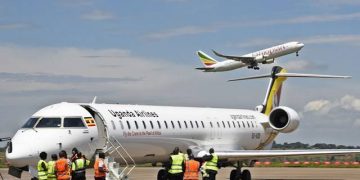
According to the report, the national carrier posted losses amounting to Shs 237 billion during the period under review. The airline’s management attributed these losses primarily to high operational costs, which they said stem from continued reliance on aging Bombardier aircraft.
“Our biggest cost drivers this year have been fuel prices, depreciation, and crew allowances,” Bamuturaki told the committee. “These factors have heavily impacted our financial performance,” she added
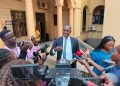
COSASE Chairperson Medard Sseggona questioned the initial decision to procure outdated aircraft, noting that the lack of ongoing production for these models leads to inflated costs for spare parts and maintenance a serious concern in an industry where safety and reliability are paramount.
“There’s no production line for these aircraft. That means spares are scarce and expensive, possibly even second-hand which is unacceptable in aviation,” Sseggona said.
The committee has now resolved to summon the individuals involved in the procurement of the Bombardier fleet to justify their decisions.
“Accountability doesn’t end when someone leaves office,” MP Nathan Itungo stated. “Chairman, please invoke Article 90 to summon those responsible.”
Bamuturaki named Ephraim Bagenda as the CEO during the time of procurement and noted that a technical team was involved. While some of the individuals are no longer in the country, others remain employed by the airline.
In addition to the aircraft issues, MPs voiced frustration over Uganda Airlines’ failure to pay dividends to its primary shareholder, the Government of Uganda, for the past two years.
“I don’t want to see zero returns again when it comes to dividends,” Sseggona warned, casting doubt on the airline’s financial sustainability.
Responding to concerns, Bamuturaki said that 67.5% of the airline’s operations are currently funded through internally generated revenues. She also indicated that the airline is exploring new revenue streams, though it still depends heavily on passenger and cargo services.
Beyond financial woes, Uganda Airlines is also grappling with legal disputes stemming from lost passenger luggage and delayed cargo issues that MPs argue should be resolved internally, rather than forcing customers to seek redress in court.
“Why should a passenger go to court to recover a lost bag?” asked MP Nkunyingi Muwada. “These are issues the airline should handle long before litigation becomes necessary.”