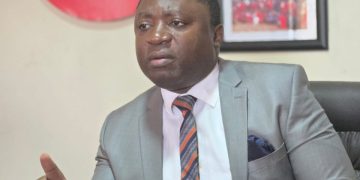



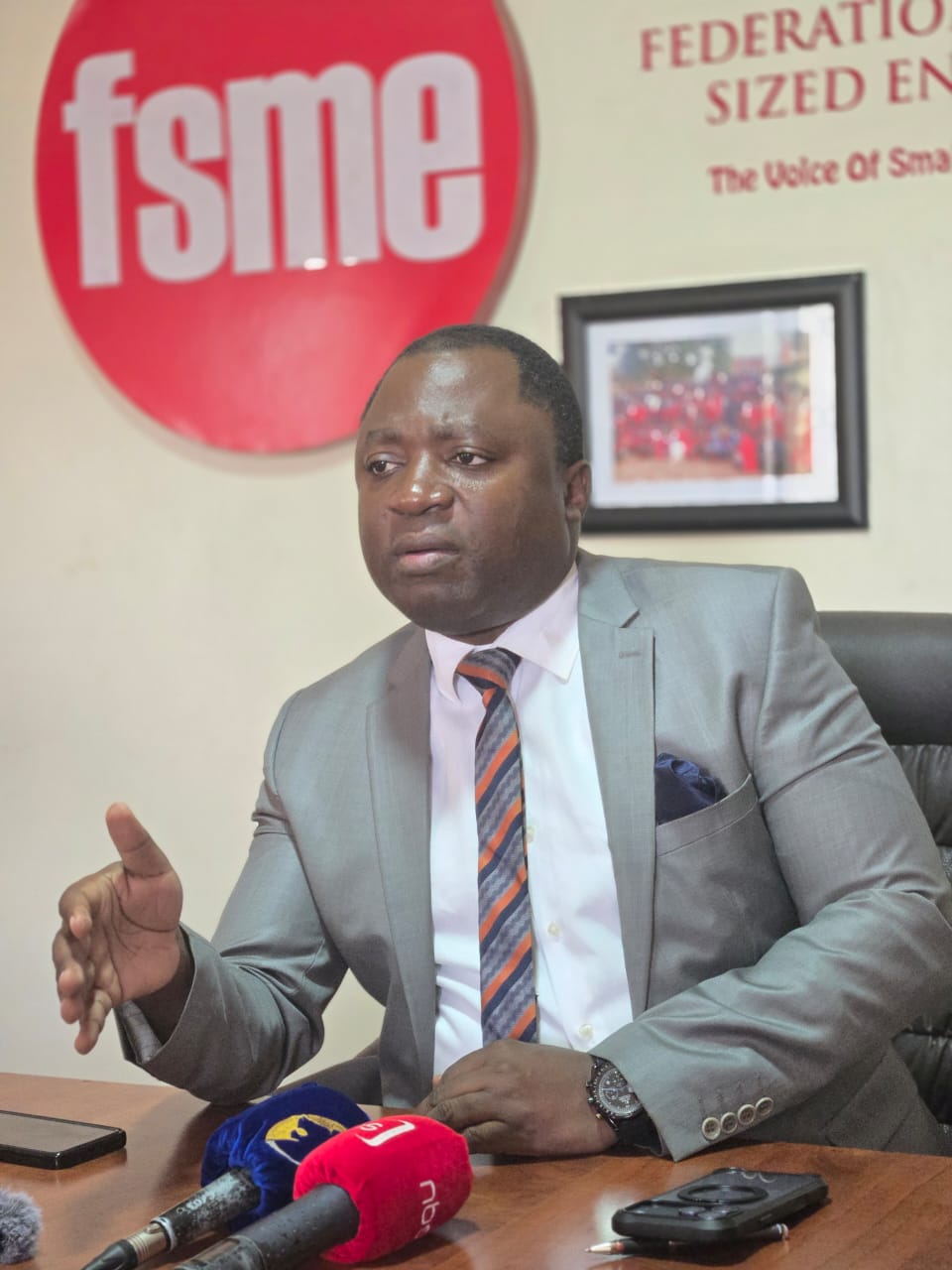
KAMPALA, Uganda : The President of the Federation of Small and Medium-Sized Enterprises (FSME), John Walugembe Kakungulu, has welcomed the government’s decision to suspend the controversial Trade Order enforcement operations, describing the move as a “necessary pause” to reassess an initiative that had caused widespread disruption to businesses across the country.
Addressing the media on Sunday, Walugembe expressed appreciation to the government particularly President Yoweri Kaguta Museveni for halting the exercise, which had run for over a month and sparked growing public outcry due to its implementation.
Concerns Over Execution
While the Federation initially supported efforts to streamline and organize trade, Walugembe said the operation was poorly conceived and executed.
“The objectives were unclear, the timing was wrong, and in many instances enforcement teams exceeded their mandate,” he said.
He cited incidents where traders’ property was destroyed, business assets confiscated, and enforcement conducted in the early hours of the morning actions that caused both financial loss and psychological distress among traders, particularly those in micro, small, and medium enterprises.
Call for Inclusive Planning
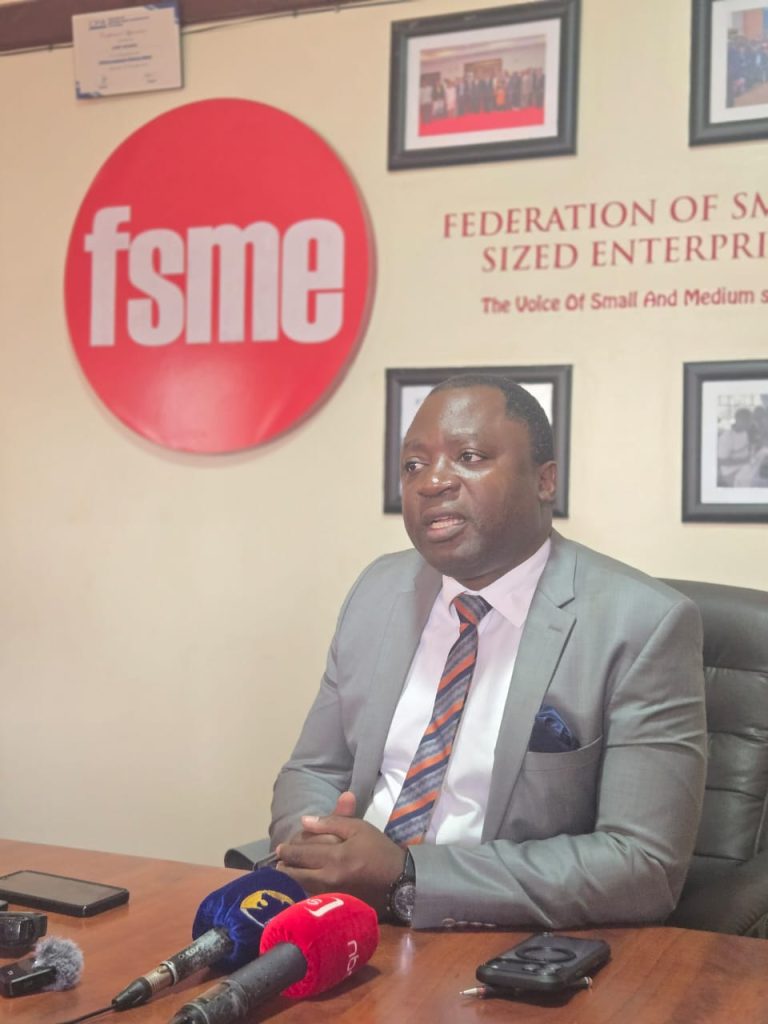
The Federation is now urging government to adopt a more inclusive and structured approach moving forward. Central to its recommendations is the creation of a multi-stakeholder forum to redesign the Trade Order framework.
Walugembe proposed that the forum include representatives from key government bodies such as the Ministry of Works and Transport, the Ministry of Lands, Housing and Urban Development, the National Building Review Board, and urban authorities like Kampala Capital City Authority, as well as traders, religious institutions, and private sector players.
“This committee should develop a robust and sustainable plan that includes nationwide public awareness and education,” he said, adding that traders must be involved in identifying alternative spaces for relocation.
Flexible Solutions for Traders
Among the Federation’s proposals is a call for the Ministry of Works to consider temporarily gazetting unused road reserves as workspaces, allowing traders time to transition into authorized areas without losing their livelihoods.
Walugembe emphasized that future enforcement should avoid destruction or confiscation of property, focusing instead on orderly relocation.
Warning to Vendors and Authorities
The Federation also issued a caution to vendors, particularly in Kampala, urging them not to misuse the suspension by returning to unauthorized trading spaces.
“They should not flood the streets or operate from walkways,” Walugembe warned. “Such behavior risks justifying excessive force in future operations.”
At the same time, he urged urban authorities to carry out their enforcement mandates humanely and within the law, without resorting to demolition or intimidation.
Government Response and Background
The government suspended the Trade Order enforcement exercise following mounting criticism over its heavy-handed implementation. The decision was announced by David Bahati during a parliamentary session on April 24, 2026, after concerns were raised by lawmakers including Solomon Silwany.
“We have suspended the operation until further consultations are undertaken,” Bahati told Parliament, noting that complaints—including those from the Inter-Religious Council of Uganda—had prompted a review.
He added that a final consultative meeting is expected by the end of June, with a revised approach likely to be implemented in early July.
Compensation Debate Deferred
On the issue of compensation for affected traders, Walugembe advised caution, saying it is too early to determine the scale of losses.
“The damage is widespread and has not yet been assessed,” he said, warning against opportunistic claims. He suggested that any future compensation should be handled through established government structures in collaboration with local trade associations.
A Call for Balance
Walugembe urged both government and traders to avoid extremes and instead work toward a balanced solution.
“We should not have extremists on either side,” he said. “Authorities must maintain order without abuse, and traders must respect regulations as we work toward a long-term solution.”
As consultations begin, the suspension offers a critical window for dialogue, one that many hope will result in a fairer, more sustainable framework for Uganda’s informal and small business sector.