


By Kabugho Elias
KAMPALA, Uganda — Questions around gender balance in Uganda’s music industry have intensified following remarks attributed to Nyanzi in an interview with local media outlet Swaadi Media, where he discussed representation, visibility, and competition among artists in the country’s evolving entertainment scene.
Nyanzi Martin Luther suggested that while Uganda’s music industry remains active across both male and female talent, female artists continue to face tougher conditions when it comes to sustaining mainstream visibility and consistent chart performance.
He pointed to the current structure of the industry, arguing that male artists are more frequently seen in dominant collaboration cycles, radio rotation, and digital streaming trends. According to him, this has created a perception of stronger male presence in both emerging and established categories of the industry.
In his remarks, Nyanzi Martin Luther referenced rising female performers such as Mimi Kampala, noting that many female artists often rely on collaborations to gain exposure in a highly competitive market. He suggested that while collaborations are important for visibility, they are not always sufficient to guarantee long-term individual dominance in mainstream charts.
The discussion comes amid broader debates in Uganda’s entertainment sector about how visibility is shaped, with analysts pointing to factors such as promotional budgets, industry networking, playlist placement, and algorithm-driven exposure on digital platforms.
Industry observers caution against framing the situation as outright “failure” for female artists, arguing instead that the music industry operates in cycles where exposure often depends on timing, marketing strength, and access to distribution channels rather than gender alone.
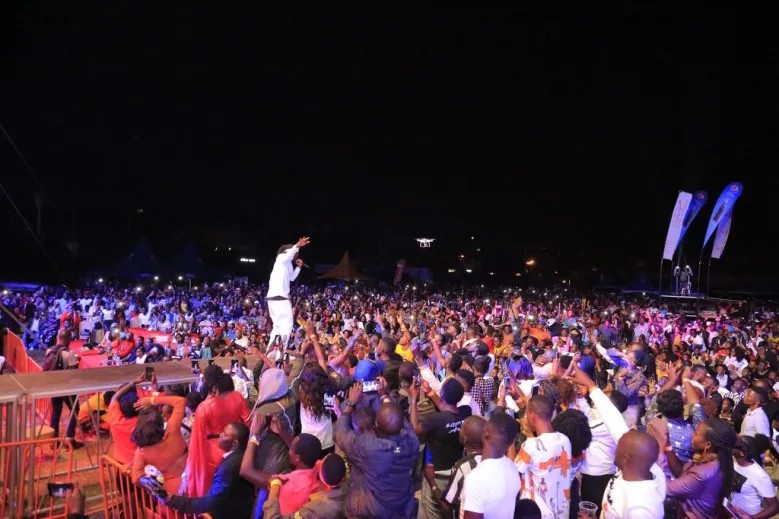
Despite the concerns raised, female artists continue to play an active role in Uganda’s music landscape, contributing to Afro-pop, dancehall, and urban fusion sounds, even as debates around representation and balance continue to dominate public discussion.