


KATAKWI: Residents of Katakwi are hopeful following the signing of a cooperation agreement between the governments of Uganda and Algeria to expand and upgrade Katakwi General Hospital.”
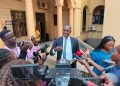
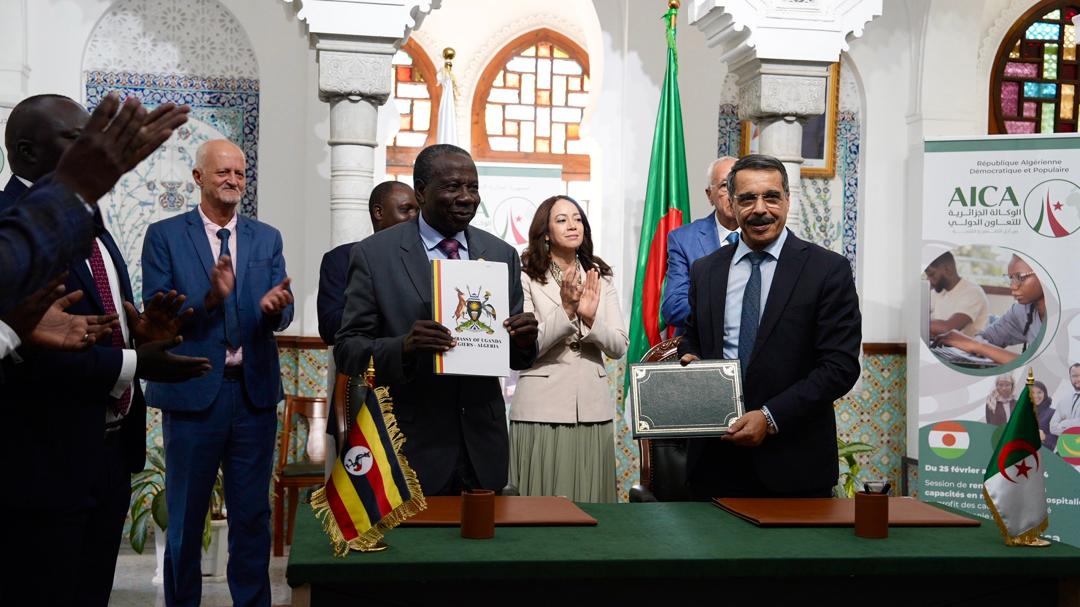
The $13.7m (about Sh50b) (Grant ) agreement was signed by the Minister of Finance Matia Kasaija on behalf of government of Uganda.
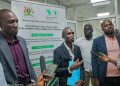
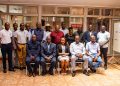
The signing ceremony was also witnessed by Dr. Ichumar Simon Omeke, the District Health Officer of Katakwi and other government officials earlier today, in Algiers the capital of the People’s Democratic Republic of Algeria.
The work yet to commence comprises; the construction of an Outpatient Department complete with an Emergency Unit and Operating Theatre, Radiology Department (X-ray and Scanning), state of art Intensive Care Unit which is the first of its kind in Eastern and Northern Uganda.
Other facilities include; state of art Mortuary, 12 modern storied staff houses, Medical Waste Management facility, Incinerator, Renovation of the Maternity ward, Children’s ward, Male ward, and female ward, and General Ward.
The agreement also takes care of the construction of attendants kitchen, attendants Laundry, Placenta pit, Landscaping and beautification of the Hospital among other components.
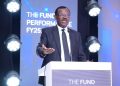
Speaking during the signing ceremony, Minister Kasaija said this is not only a health Investment but also a social economic catalyst which aims at strengthening health care delivery in the country.
“This investment will uplift rural communities by stimulating local economies through job creation, demand for goods and services thereby contributing to regional growth and equity,” Kasaija said.
He expressed profound appreciation to the Government and people of the Democratic People’s Republic of Algeria for this landmark cooperation agreement.
“Today marks yet another milestone in the ever-growing friendship and solidarity between our two nations. We are especially grateful that the first project under this framework is the expansion and rehabilitation of Katakwi General Hospital,” he said.
This project will significantly transform health care delivery for Katakwi and the neighboring districts benefiting over half a million people, not only for today, but for generations to come.
Kasaija emphasized that this Hospital Project will bring immense advantages to the people of Katakwi district and Eastern Uganda in terms of improving access to Specialized Care which reduces delays in treatment, particularly in emergencies, and improves survival and recovery rates.
He further appealed to the government of Algeria to also consider supporting the second phase of this project particularly the construction of additional modern wards, the provision of advanced medical equipment, and the training of health workers.
He stressed that the move will ensure that the skills of our Ugandan professionals match the new infrastructure, thus guaranteeing the highest standards of care for the people.
“We look forward to continuing this journey of cooperation, guided by the shared values of friendship, solidarity, and mutual development,” Kasaija said.
Katakwi Hospital was established as a dispensary in the 1956 during the colonial administration, then elevated to HC IV by the NRM government and consequently to a District Hospital in 2011 but there had been no commensurate improvement in its infrastructure to match a hospital status.
With this expansion and rehabilitation according to Dr. Omeke, the communities of Katakwi and the neighboring districts will benefit immensity in terms of reduced financial and social burden by minimizing long distance travel and associated expenses of accommodation, food, and transport for families.
He further noted that rehabilitation of Katakwi hospital will strengthen the health system and human resource development through training and mentorship hub for medical interns, nurses, and other health professionals.
Omeke said the construction will enhance emergency and Critical Care Services, cause economic and social Impact as the hospital is anticipated to stimulates local economies through job creation, demand for goods and services, and infrastructure development, thereby contributing to regional growth and equity.
He emphasized that the rehabilitation will further promote equity in healthcare delivery by bringing specialized services closer to rural populations narrowing the urban–rural health gap and ensure fairness in healthcare access for all citizens.