


FEATURE NEWS ARTICLE: Every week, Isabelle Furaha leads a dedicated team of volunteers across hospital wards and communities in Uganda, tracking the progress of some of the country’s most vulnerable newborns—premature babies who have survived birth but remain at high risk.
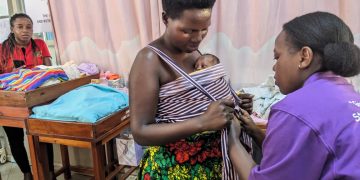
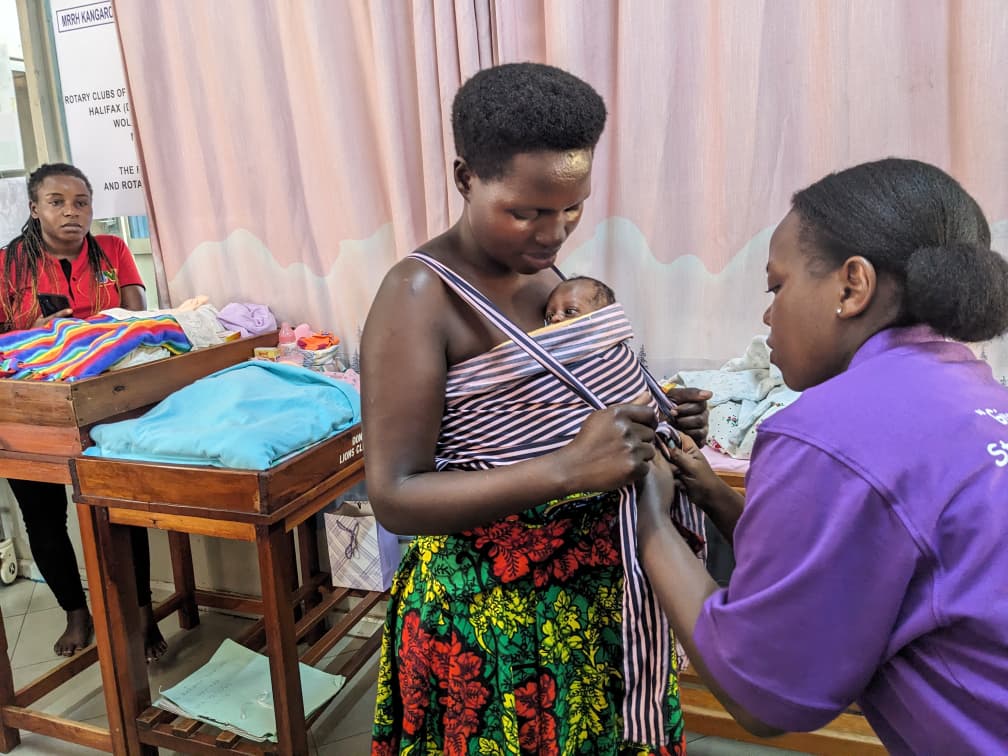
Her team works closely with mothers, teaching essential practices such as keeping babies warm, ensuring proper feeding, and identifying early signs of infection. For many families, this hands-on support becomes the critical factor between life and loss.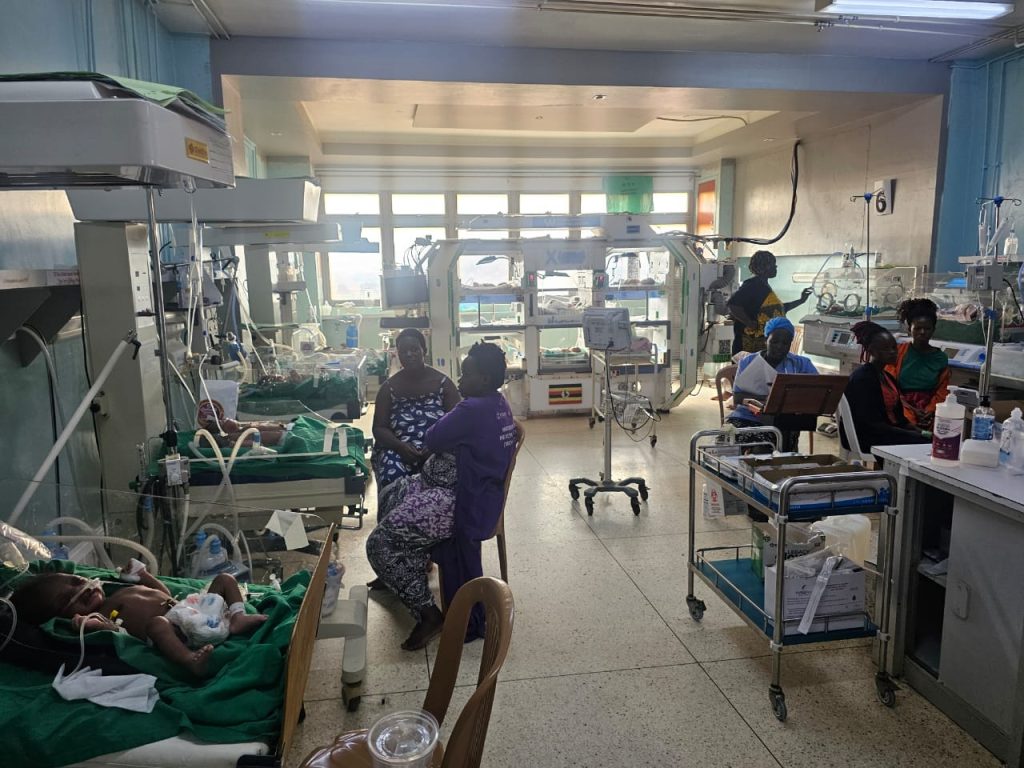 Furaha is the founder of Mama Tulia Ministries, an organisation focused on supporting mothers and newborns during the fragile transition period from hospital to home.
This week, her work received international recognition when she was awarded the Innovation and Collaboration Award at the Global Foundation for Care of Newborn (GFCNI) Summit in Germany.
Despite the personal honour, Furaha emphasised the collective effort behind the achievement.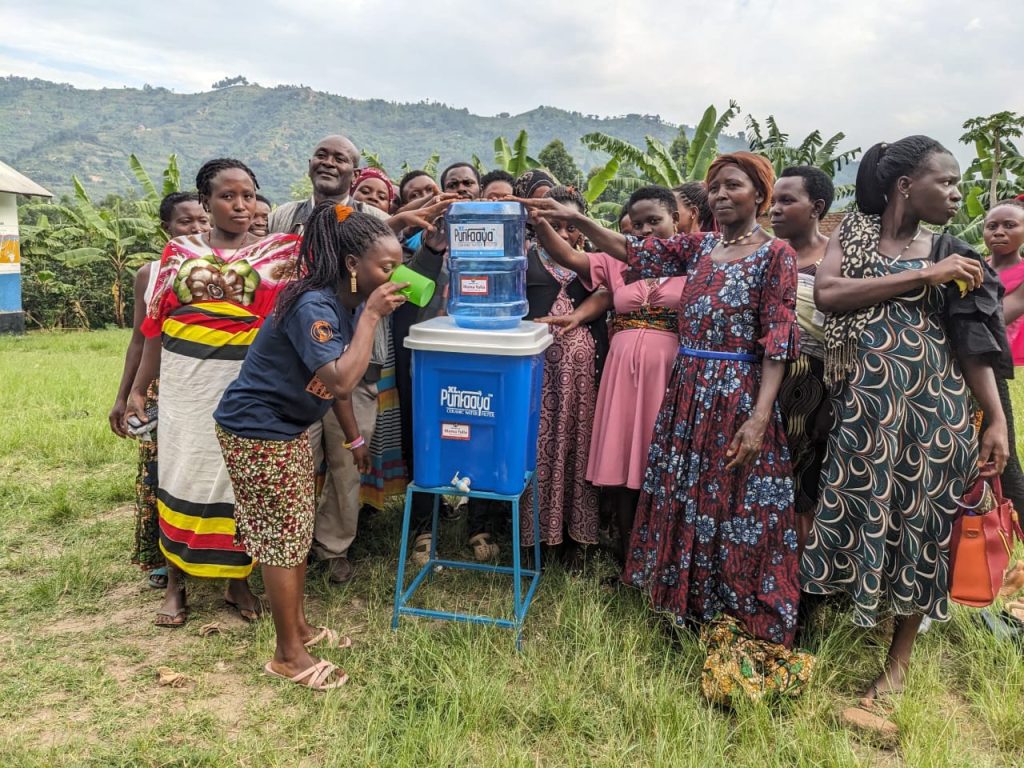 “Our work has always been about collaboration,” she said. “From our staff to volunteers and partners, this recognition belongs to everyone involved in supporting these families.”
In Uganda, many premature babies survive neonatal intensive care but face serious challenges after discharge. Risks such as infection, unsafe home environments, and limited caregiver knowledge continue to threaten their survival—gaps that Furaha’s model is designed to address.
Through Mama Tulia, mothers receive guidance before leaving hospital, followed by continued home visits and access to specialised services. These include screening and treatment for Retinopathy of Prematurity (ROP), a condition that can lead to blindness if not detected early.
Over the years, the organisation has supported more than 10,700 mothers and babies, carried out over 7,600 home visits, and strengthened care systems through more than 500 hospital engagements.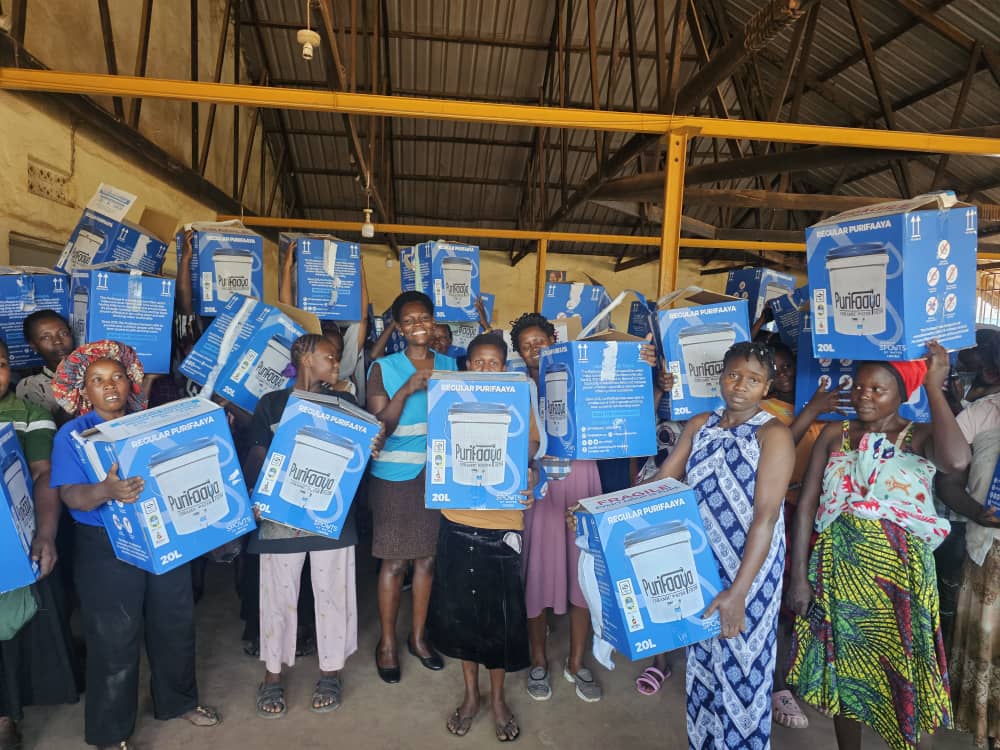 Its impact is especially notable in ROP care, where more than 2,000 babies have been screened. Of these, 262 cases were diagnosed and 243 successfully treated, preventing avoidable blindness.
Earlier this year, Furaha expanded the initiative with the launch of the Tulia Tender Nest Transition Home—a facility designed to stabilise high-risk mothers and babies before they return to their communities. Since February, it has supported over 20 mothers and 24 babies with structured care and monitoring.
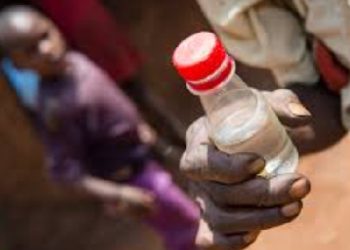
Beyond medical support, the organisation also addresses social factors that influence newborn survival. It has distributed more than 200 water filters to vulnerable households and offers psychosocial support programmes, including initiatives for teenage mothers and efforts to involve fathers in newborn care.