


Ugandan authorities have suspended National Identification Registration Authority (NIRA) community outreach services in dozens of districts identified as being at high risk of Ebola transmission as the government intensifies measures to prevent the spread of the deadly virus.
The move follows the mapping of vulnerable districts located along Uganda’s western and northern borders with the Democratic Republic of the Congo (DRC), where health officials remain on heightened alert over the threat of cross-border infections.
The affected areas include several districts and cities in western Uganda, such as Kisoro, Kanungu, Rubanda, Rukungiri, Ntungamo, Isingiro, Kamwenge, Kabarole, Bunyangabo, Kyegegwa, Kikuube, Hoima, Hoima City, Kitagwenda, Ntoroko, Rubirizi and Fort Portal City.
Other districts in northern and northwestern Uganda, including Arua District, Arua City, Koboko, Maracha, Terego, Obongi, Adjumani, Yumbe, Madi-Okollo, Zombo, Nebbi, Pakwach, Lamwo and Buliisa, have also been classified as high-risk areas.
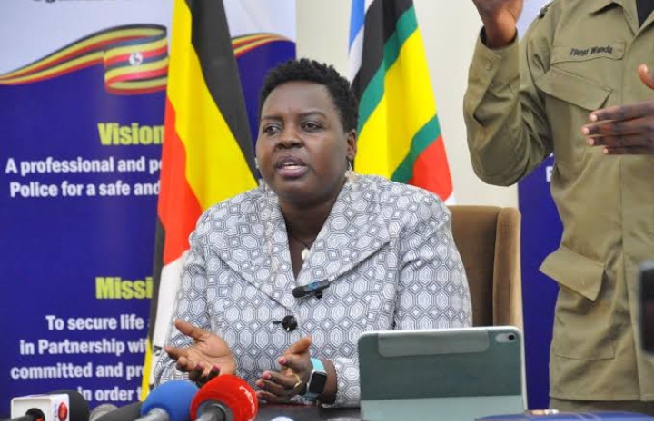
Speaking during the weekly joint security briefing at the police headquarters in Naguru-Kampala, NIRA Registrar Claire Ollama said the suspension of community outreach activities is intended to reduce the risk of Ebola transmission by limiting large public gatherings that are difficult to manage and monitor.
She explained that while outreach services have been halted, essential NIRA operations will continue at official district offices and designated health facilities where birth registration services are provided.
According to Ollama, these controlled environments make it easier to implement and enforce Ministry of Health preventive measures.
“We realized that it is difficult to effectively control overwhelming crowds during community outreach exercises,” Ollama said. “At our official service points, health protocols begin at the entrance, where every individual undergoes screening, handwashing and registration.”
She added that maintaining services at fixed locations also strengthens the ability of authorities to trace individuals if a suspected Ebola case is identified.
The collection of visitor information at entry points, she noted, provides an important layer of surveillance and contact tracing that would be much harder to achieve during large-scale outreach events.
Uganda has repeatedly demonstrated strong capacity to contain Ebola outbreaks through early detection, contact tracing and strict infection prevention measures.
Health authorities, however, continue to warn that districts bordering the DRC remain particularly vulnerable due to frequent cross-border movement of people and goods.
The suspension of outreach services forms part of a broader government strategy aimed at minimizing potential transmission risks while ensuring that critical public services remain available through locations where health guidelines can be consistently enforced.
As the country remains vigilant against the threat of Ebola, officials are urging the public to comply with screening measures, observe hygiene protocols and promptly report any symptoms associated with the disease to health authorities.