


KAMPALA, Uganda — The government has agreed to allow Seventh-day Adventists in Uganda to participate in the country’s monthly National Cleaning Day exercise on the last Sunday of each month, resolving a dispute over the programme’s clash with the church’s Sabbath.
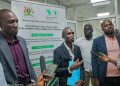
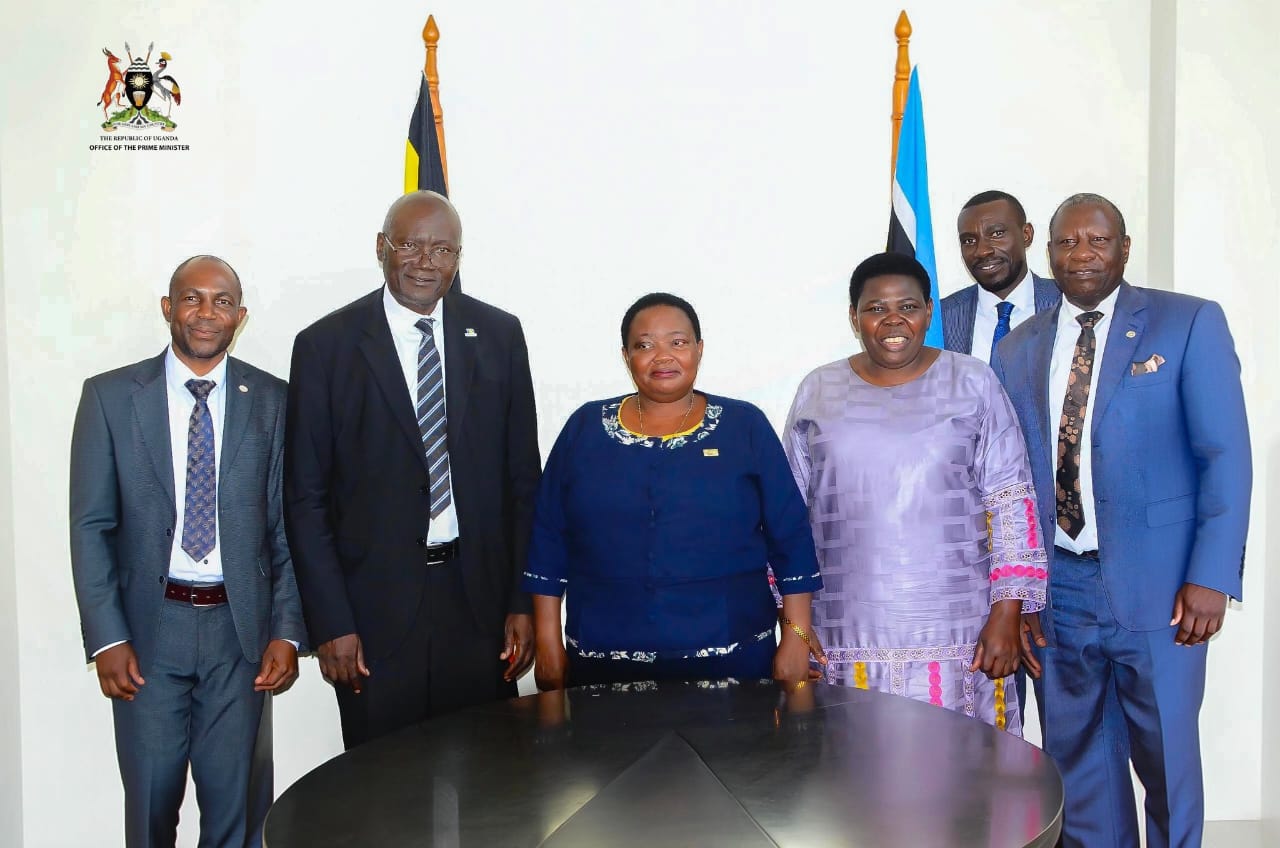
The agreement was reached after a delegation led by Pastor Samuel Kajoba, president of the Uganda Union Mission of the Seventh-day Adventist Church, met Prime Minister Robinah Nabbanja to discuss the implications of Cabinet Circular No. 1 of 2026.
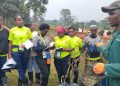
Under the original directive, the last Saturday of every month was designated as National Cleaning Day, with Ugandans expected to take part in community cleaning activities between 7am and 10am. The first exercise was held on July 25.
For Seventh-day Adventists, however, Saturday is the Sabbath, a period observed from sunset on Friday until sunset on Saturday, during which members refrain from ordinary work and devote themselves to worship and religious activities.
The church had therefore sought an alternative arrangement that would allow its members to support the national sanitation campaign without compromising their religious obligations.
In a statement, issued by the ruling National Resistance Movement (NRM) Deputy Secretary General, Rose Namayanja Nsereko, following the meeting, the SDA leadership led by Pr. Kajjoba said it was pleased that the government had agreed to allow Adventists to carry out the same cleaning activities on the final Sunday of each month.
“We are pleased to have reached consensus with the Government to allow our fellow SDA brothers and sisters to participate in nationwide cleaning activities on the last Sunday of every month, instead of Saturday,” the church said.
It reaffirmed that its members would continue to observe the Sabbath “from sunset on Friday to sunset on Saturday” in accordance with their beliefs.
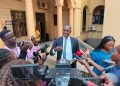
Kajjoba on behalf of the church thanked Prime Minister Nabbanja and the NRM government for responding to its concerns, describing the agreement as a demonstration of dialogue, understanding and respect for religious freedom.
The agreement follows consultations involving Namayanja, who had earlier called for a solution that would allow Adventists to uphold their Sabbath while participating in the government’s sanitation campaign.
Namayanja who is also a member of the SDA church, said the church should remain committed to environmental cleanliness while being allowed to observe its religious obligations. Government and church leaders subsequently engaged in consultations over an alternative day for SDA participation.
The compromise means Adventists can contribute to the national sanitation campaign without being required to participate in the Saturday exercise.
The development also highlights the government’s attempt to balance a newly introduced national civic programme with constitutional protections for freedom of worship.
Why Uganda introduced National Cleaning Day
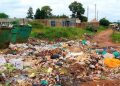
Uganda’s National Cleaning Day was introduced as a nationwide response to concerns over poor sanitation, unmanaged waste, blocked drainage channels and their impact on public health.
The initiative was approved by Cabinet on August 11, 2025, and later formalised through Cabinet Circular No. 1 of 2026, issued on June 30, 2026. It became effective in July, with the first nationwide exercise held on July 25.
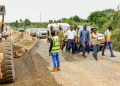
The programme requires citizens, local governments, public institutions, businesses and other organisations to participate in organised community cleaning activities.
The government says the initiative is intended to complement, rather than replace, people’s everyday responsibility to keep their homes, workplaces and communities clean.
The campaign has also been presented as a public-health measure. Authorities have pointed to the relationship between poor waste management, blocked drainage and the spread of disease, while Kampala faces particular pressure from the volume of solid waste generated each day.
The inaugural exercise temporarily restricted non-essential movement and required businesses to close during the three-hour clean-up period, although essential services were exempted.
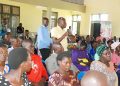
For the Seventh-day Adventist community, the new Sunday arrangement allows members to take part in that national effort while preserving their long-standing Sabbath observance.
The agreement is likely to be viewed as a test of whether Uganda’s ambitious sanitation programme can accommodate the country’s religious diversity while maintaining broad public participation.