


This is a good moment to ask an honest question: How well have we kept the promises made to young people?
Today, 12 August 2026, the world marks International Youth Day. The United Nations theme this year is simple but powerful: “Different Contexts, Common Aspirations.”
It means young people live in very different situations and some grow up in cities with good schools and internet. Others live in rural areas facing drought, poor roads, no clean water. Yet most young people want the same basic things and a chance to learn useful skills, find decent work, live with dignity, and have a real say in decisions that affect their lives.
Uganda a young country and about 23 out of every 100 Ugandans are aged 18 to 30. Many more are even younger. Uganda’s leaders and youth groups are marking the day under the same global theme. This is a good moment to ask an honest question: How well have we kept the promises made to young people?
Nearly 20 years ago, African leaders agreed on the African Youth Charter. It was meant to protect young people’s rights and give them a proper place in development.
What the African Youth Charter Promised; The African Youth Charter, 2006 says young people aged 15 to 35 have important rights. Governments must let young people take part in decisions at every level from villages to parliament.
Help them get education and useful skills, support them to find work or start businesses. Fight poverty by giving young people better access to land, credit, and markets. Treat them as partners in building the country, not as a problem to manage. These are not just nice ideas. They are clear duties that governments accepted.
Most East African countries signed the Charter. Uganda signed in 2008. Kenya, Tanzania, Rwanda and others also joined. They wrote national youth policies and the East African Community made its own youth policy in 2013
On paper, the region looks serious about youth. There are youth councils, some reserved seats in parliaments like in Uganda, and regular meetings but the progress is slow and uneven.
Young people are invited to meetings but rarely given power over budgets or final decisions. Participation often stays controlled and limited.
Uganda clearly Promises, but with a weak delivery; Uganda has National Youth Policy from 2016, National Youth Council that reaches from villages to the national level, and youth seats in Parliament and local councils. The new National Youth Manifesto for 2026–2031 again calls young people the drivers of Uganda’s future.
Now look us at the actual results, a government review of the 2016 National Youth Policy found a stark picture that only 2 out of every 100 planned actions were fully carried out, about 43 out of 100 were partly done, 55 out of 100 were never done at all and the main reasons were lack of money and poor teamwork between government offices.
Official figures say youth unemployment (ages 15–24) is around 4 per cent. That number sounds low, but it hides the situation. Many young people work in insecure, low-paying jobs in the informal sector. Large numbers are not in school, not in training, and not in proper work. Many young Ugandans start small survival businesses simply because formal jobs are scarce.
Leadership tells a similar story. In the current Parliament, only about 4 out of every 100 members are aged 30. High fees to stand for election and the high cost of campaigns keep most young people out. Over the past decade, their involvement in community and political activities has actually gone down.
Uganda has written many good plans for its young majority and delivery has been weak.
Young people are not a small group. They are the largest part of Uganda’s present and almost all of its future. When they cannot get useful skills, decent work, or a voice, two things suffer: The country misses their energy, ideas, and hard work.
Policies made without them often fail to solve the problems they face every day, The African Youth Charter and Uganda’s own plans correctly say young people should drive development. Turning that into reality needs. It needs proper funding, lower barriers so young people can lead, and genuine sharing of decision-making power.
International Youth Day should be more than speeches and celebrations. It should be a time for honest checking of results.
The 2026 theme reminds us that young people face different challenges depending on where they live, yet they share the same basic hopes. Uganda’s young people want what young people everywhere want: the chance to learn, earn, lead, and shape their own future.
The African Youth Charter gave the roadmap almost 20 years ago. East African countries, including Uganda, have written the policies. What is still missing is the strong will to fund those policies properly and open space for young people to lead not just to be consulted.
Until that happens, we will keep celebrating youth on paper while sidelining them on the ground. A country whose population is so young cannot afford to keep doing that. The generation that forms the majority of Uganda deserves more than good intentions. They deserve the power and the resources to turn common aspirations into progress.
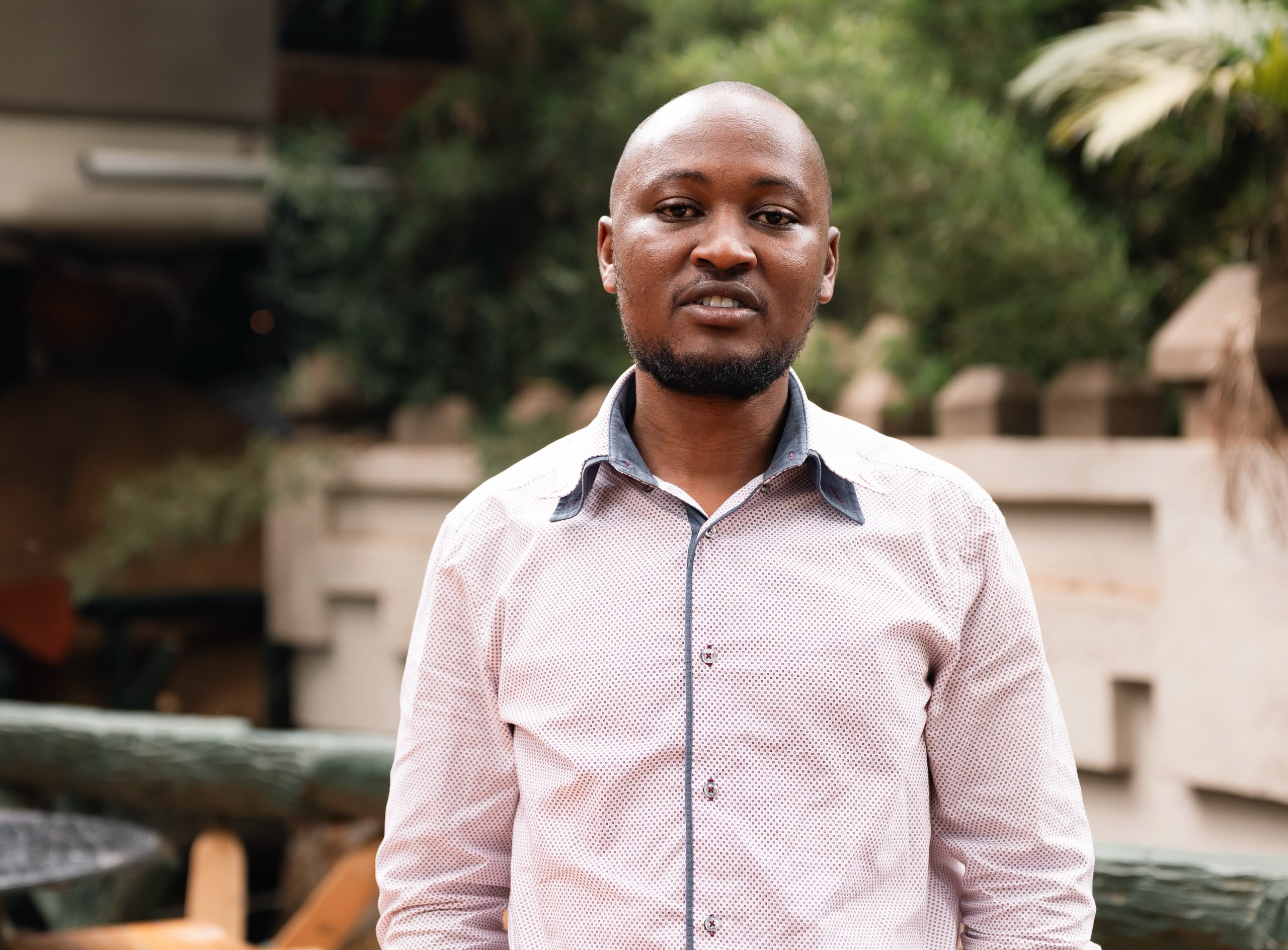
The Writer is Byaruhanga Frank, Communications practitioner