


For many pupils, a school trip is a moment of excitement, a rare chance to leave the classroom, travel with classmates and experience lessons beyond the school gates.
But for dozens of children in Uganda, that journey became the focus of a national safety debate after authorities found pupils being transported in severely overcrowded buses. This followed a fatal school bus crash from a trip at Sipi Falls in Kapchorwa which claimed over 21 lives including 20 pupils.
The discovery has triggered a nationwide suspension of school trips and excursions, as the government moves to review travel regulations and strengthen protections for children on the road.
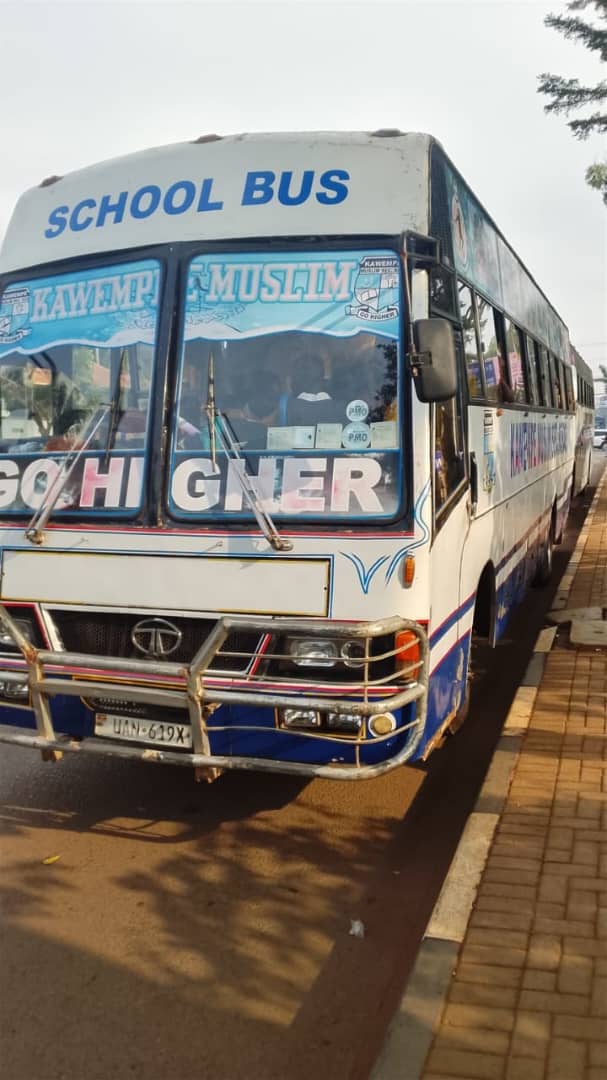
Ugandan police detained two school bus drivers after traffic officers intercepted vehicles carrying far more pupils than the buses were designed to safely accommodate.
The drivers, identified as Alia Kimbugwe and Abukakari Mutesasira, were arrested during an operation in Kampala and charged with traffic-related offences.
Police said Alia was found transporting 110 pupils in a bus registered UA 092AS, while Abubakari’s vehicle, registered UAN 619X, was carrying 97 pupils.
The buses were impounded as authorities began enforcement action against what they described as dangerous breaches of transport safety requirements.
Michael Kananura, spokesperson for the Directorate of Traffic and Road Safety, said the action was necessary to prevent avoidable tragedies and ensure that transport operators follow established safety standards.
“The impounding of these buses is part of our responsibility to protect lives, especially the lives of children who depend on adults to provide safe transportation,” Kananura said.
He said traffic authorities would continue working with schools and other stakeholders to ensure that vehicles carrying learners meet safety requirements and that drivers comply with regulations designed to reduce road risks.
The arrests came as Uganda’s Ministry of Education and Sports announced the suspension of all school trips and educational excursions following a fatal accident in Kapchorwa that raised fresh concerns about learner safety during travel.
State Minister for Higher Education Dr John Chrysostom Muyingo said educational journeys remain an important part of learning, but safety must come first.
“While educational trips and excursions are an important part of learning, they must never compromise the safety of our children,” Muyingo said in a statement.
The ministry has ordered a review of existing guidelines governing school travel, with officials expected to recommend stronger measures covering vehicle inspections, driver qualifications, journey approvals and supervision of pupils during trips.
Under the proposed reforms, schools will be required to ensure that vehicles used for excursions are roadworthy, properly licensed and appropriate for carrying children.
Authorities have also highlighted the importance of qualified drivers, advance risk assessments, communication with parents and guardians, and avoiding travel arrangements that expose pupils to unnecessary danger.
The government said it would work alongside the Uganda Police Force, the Ministry of Works and Transport and other agencies to investigate recent incidents and develop long-term measures to improve school transport safety.
The suspension has sparked wider public discussion about responsibility and accountability in the transportation of children, with questions being raised over whether schools, bus operators and regulators are doing enough to enforce safety rules.
Across the world, school trips are considered valuable educational experiences, allowing students to learn through direct engagement outside classrooms.
But transport safety experts say such activities require careful planning, strict vehicle standards and strong oversight.
In Uganda, the latest measures represent an attempt to restore confidence in school travel while addressing a long-running challenge: ensuring that the excitement of a school journey does not come at the cost of children’s safety.