


Ugandan entrepreneurs are increasingly embracing value addition as a way of creating jobs, increasing household incomes and tapping into the growing market for locally processed agricultural products.
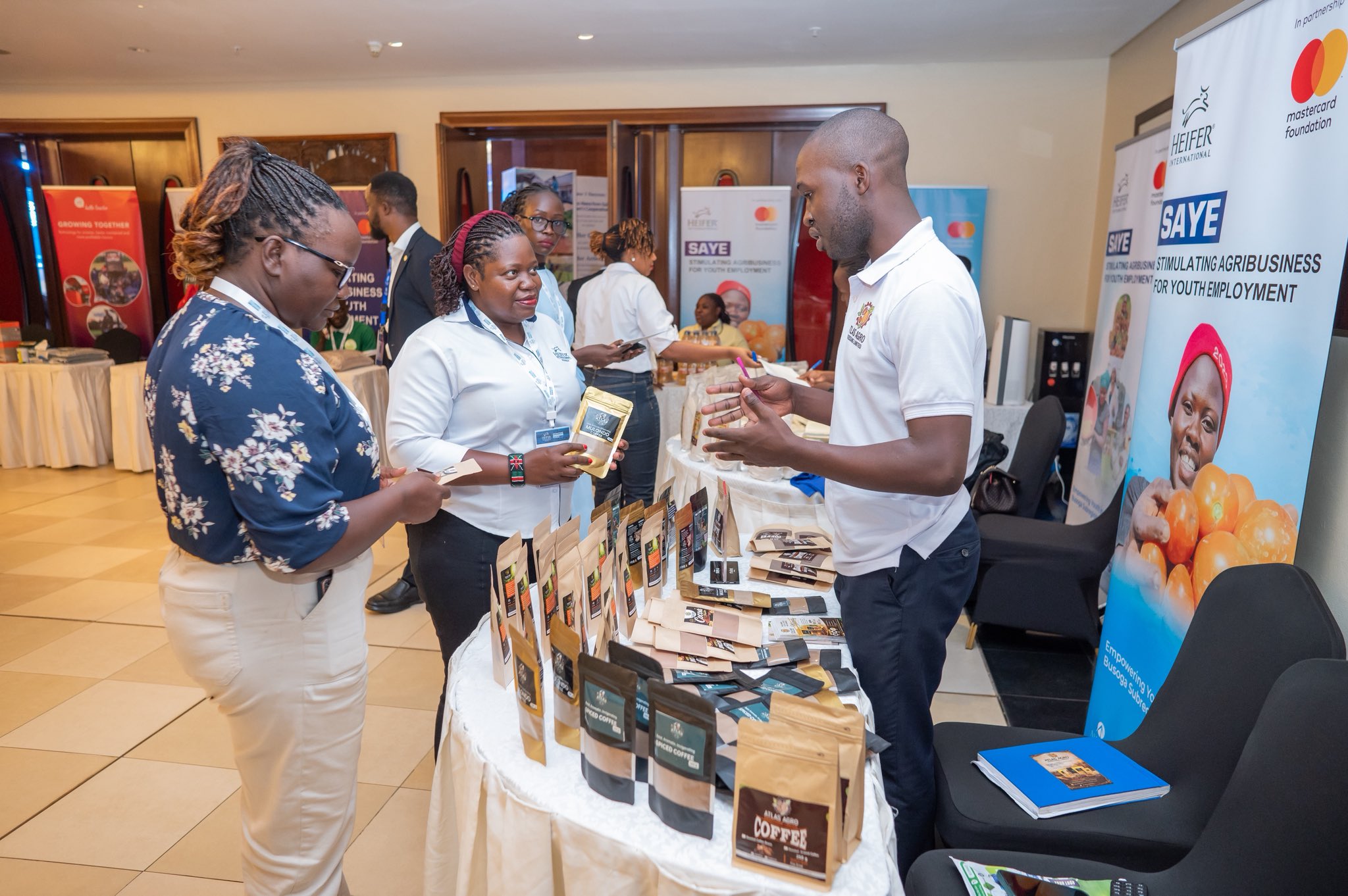
Jonathan Nsamba, the founder of Atlas Agro-processing Ltd, says adding value to coffee and cocoa can generate greater economic returns than simply selling raw agricultural produce. Based in Jinja, Atlas Agro-processing sources green coffee beans from farmers, roasts and packages them into products including roasted coffee beans and ground coffee powder. The company also deals in cocoa value addition.
Mr. Nsamba says Uganda’s coffee consumption culture is growing, creating new opportunities for local processors. “Previously, it was a struggle to sell our products, but people have started adopting the coffee culture. Restaurants, cafes and other buyers are increasingly purchasing local products,” Nsamba said.
He says demand for locally processed cocoa products is also growing, with consumers, bakeries and other businesses increasingly embracing locally made products.
Nsamba has urged coffee farmers to focus on quality by harvesting only ripe, red coffee cherries, warning that harvesting unripe cherries compromises the quality and value of the final product. “Quality starts from the farm, not at the factory. If you expect to get good money from coffee, quality has to be at its maximum,” he said.
He says value addition is also creating employment along the coffee value chain, including in sorting, roasting, packaging and distribution.
Nsamba explained that while a kilogramme of green Robusta coffee can fetch about Shs13,000 at farm level, processed coffee can command a significantly higher price in the market, demonstrating the potential of value addition to increase incomes.
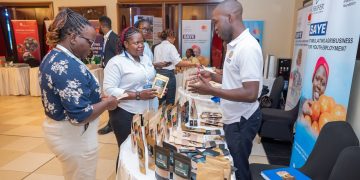
He also credited the Stimulating Agribusiness for Youth Employment (SAYE) project, supported by Heifer International, for helping Atlas Agro-processing improve its products, access markets and participate in major trade fairs and exhibitions.
Nsamba says the mentorship and market-linkage support has helped the company reach customers it previously could not access and improve its product certification.
Meanwhile, Mercy Chepkurui, founder of Eyo Foods, is building a business around composite porridge flour made from a blend of ingredients such as rice, millet, oats, milk, soya and yellow corn.
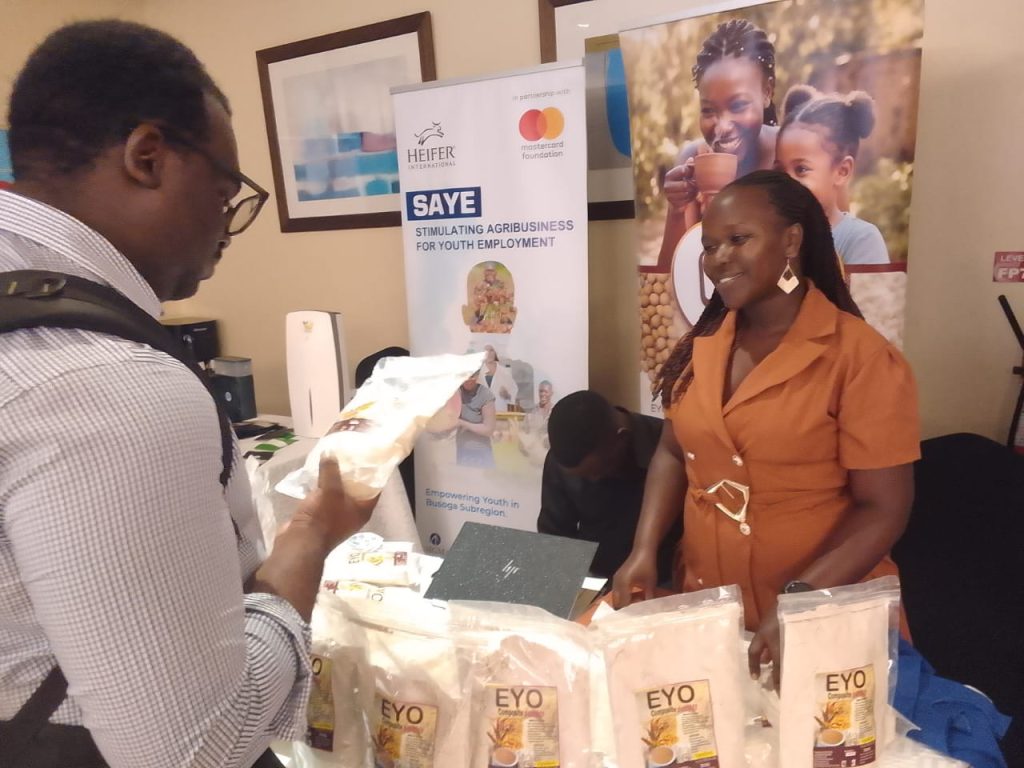
The products are suitable for both children and adults and are sold in half-kilogramme, one-kilogramme and larger quantities through retail and wholesale channels.
Chepkurui says, despite growing interest in the products, the business continues to face challenges including limited capital, marketing gaps, delivery costs and the lengthy certification process.
She says stronger marketing and increased visibility would help the company reach more customers and increase sales.
Chepkurui also credited Heifer International, through the SAYE project, for supporting Eyo Foods with market access, exhibitions and visibility.
She says the company currently works with about four young people, mainly on commission, and collaborates with about five smallholder farmers.
The entrepreneur plans to expand production, employ up to 20 young people, work with more smallholder farmers and establish a mini factory to increase production capacity.
The two entrepreneurs spoke on the sidelines of the Heifer International Uganda Signature Programme Forum 2026 in Kampala. Held under the theme “Celebrating Progress, Sharing Lessons, Shaping the Future of the Agri-food Sector,” the forum brought together key stakeholders to discuss efforts to transform Uganda’s agricultural sector from subsistence farming into a profitable, sustainable and commercially oriented sector.
Their experiences highlight the growing potential of Uganda’s agri-food sector, with value addition offering opportunities to increase the value of agricultural produce while creating employment and expanding markets for local products.