



Uganda is considering legislation to make selected insurance covers compulsory for institutions and individuals as part of efforts to increase insurance uptake and protect the public against financial losses arising from disasters.
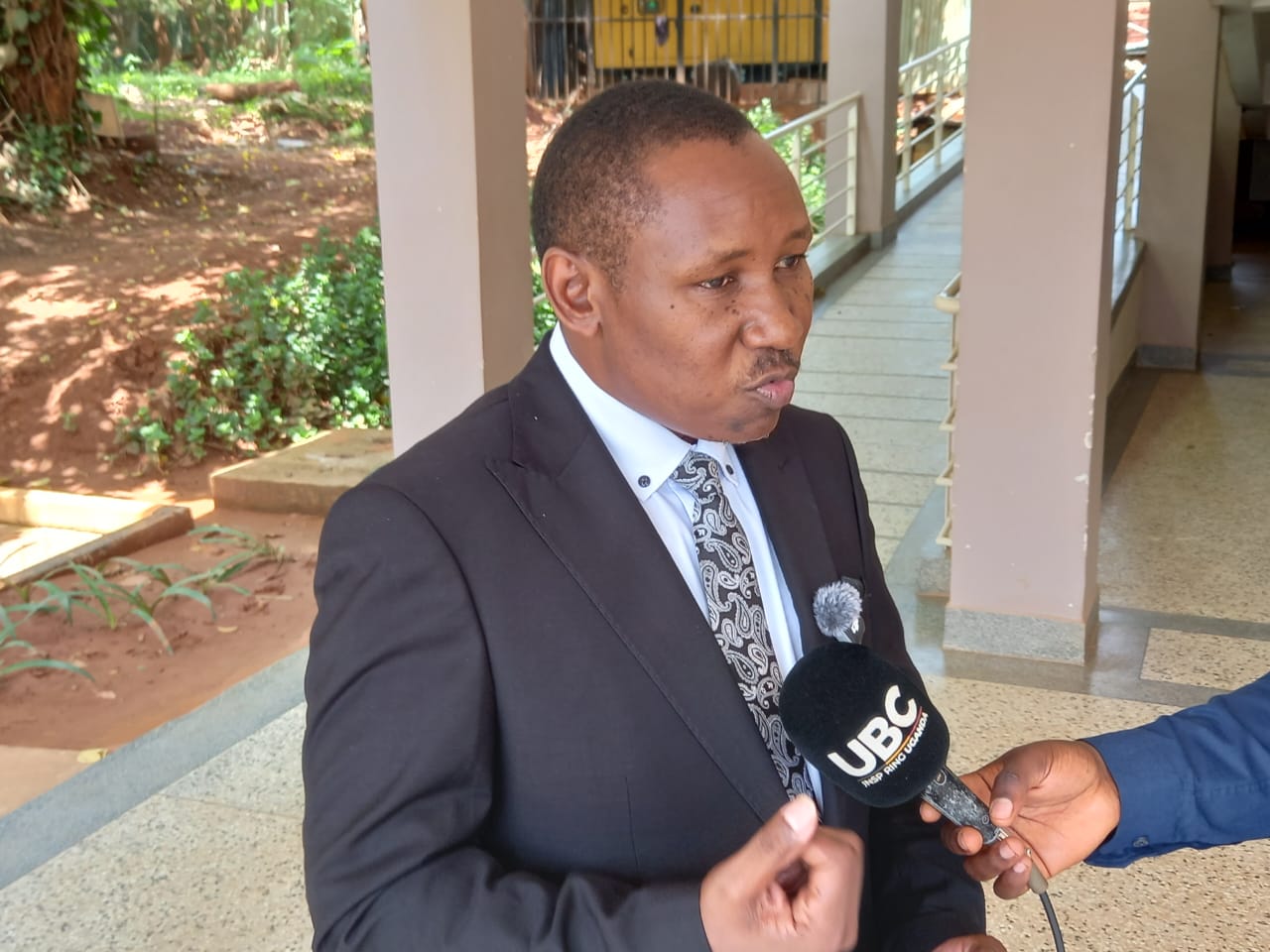
The Acting Chief Executive Officer of the Insurance Regulatory Authority of Uganda (IRA-Uganda), Sande Protazio, said the government was exploring policies that would require institutions such as schools and industries, as well as individuals, to obtain insurance against risks including fire, building collapse, death and injury.
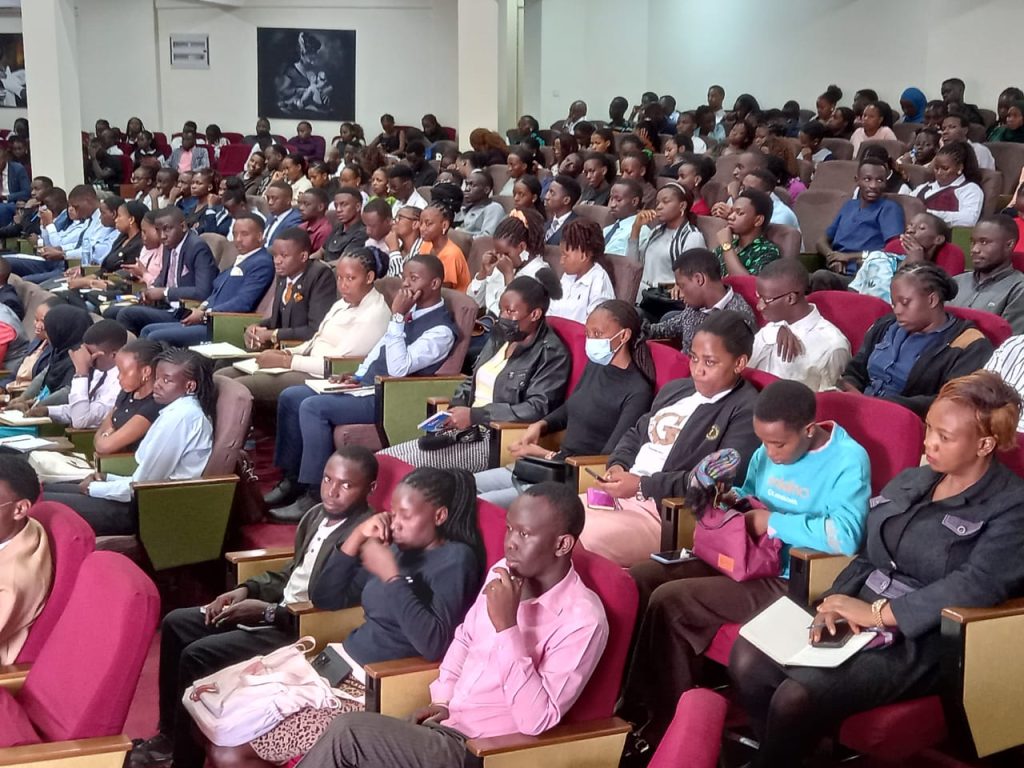
Sande made the remarks on 26 August 2026 during the ninth John Ssebaana Kizito Memorial Lecture at Makerere University. The event, organised by the Insurance Training College (ITC), was held under the theme: “The Future of Insurance: Empowering Uganda’s Next Generation of Risk Leaders.”
He said the proposed measures were intended to address Uganda’s persistently low insurance penetration, which he said remains below one per cent of the population.
“Government has plans to enact policy legislation compelling institutions and individuals to undertake insurance cover services,” Sande said.
He said research had shown that many Ugandans continued to shun insurance products despite their importance in providing financial protection to victims of disasters and other unexpected events.
Uganda already has a number of compulsory insurance requirements, including third-party motor vehicle insurance, passenger liability cover and workers’ compensation.
 However, Sande said the government was considering expanding compulsory insurance to cover more areas of everyday life and economic activity.
He argued that wider insurance coverage would not only protect individuals and institutions but also contribute to the development of the country’s economy.
Youth employment
Sande, who is also the Director of Strategy and Market Development at IRA-Uganda, said the government was committed to supporting the growth of the insurance industry through professional training and capacity building, particularly for young people.
He said the sector had significant potential to create employment opportunities as Uganda’s economy and risk environment continue to evolve.
Universities and the Insurance Training College, he said, would play an important role in preparing young professionals to respond to emerging risks and take advantage of opportunities within the industry.
Sande also paid tribute to the late John Ssebaana Kizito, describing him as one of the pioneers who played a major role in professionalising Uganda’s insurance industry.
He said Ssebaana Kizito was instrumental in the establishment of the Insurance College in 1964, which has since developed into the Insurance Training College.
According to Sande, only about six million Ugandans currently have insurance coverage, leaving the vast majority of the country’s population exposed to financial risks.
The Acting Chief Executive Officer of the Insurance Brokers Association of Uganda (IBAU), Christopher Bakesiga Mugisha, commended the Insurance Training College for organising the memorial lecture and keeping Ssebaana Kizito’s legacy alive.
He said the association, which has 59 members, was using outreach programmes to introduce university students to professional ethics, leadership and career opportunities in insurance brokerage.
“We continue to take insurance brokerage career guidance workshops to several universities,” he said.
He said the association had already conducted programmes at Kyambogo University, Victoria University and Makerere University Business School (MUBS), with plans to engage actuarial science students at Makerere University.
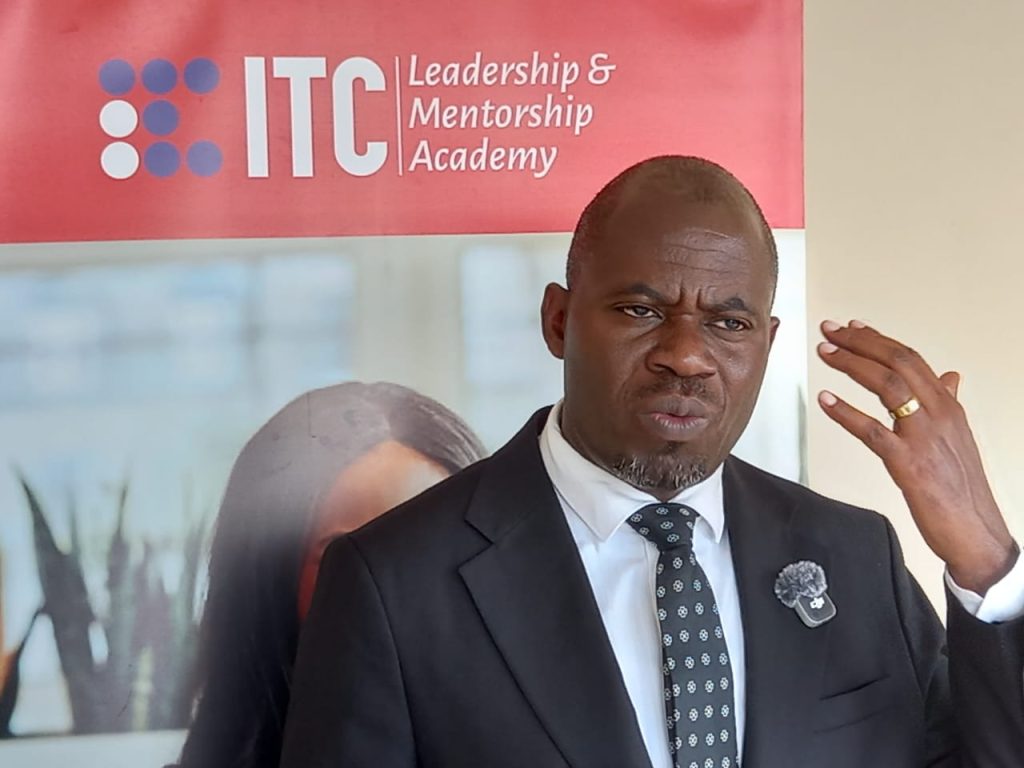
The Principal and Chief Executive Officer of the Insurance Training College, Saul Sseremba, said the memorial lecture provided an opportunity for industry stakeholders to strengthen their commitment to developing Uganda’s insurance sector.
He said the industry was facing increasingly complex risks, including cybercrime and money laundering, requiring professionals with specialised technical knowledge and skills.
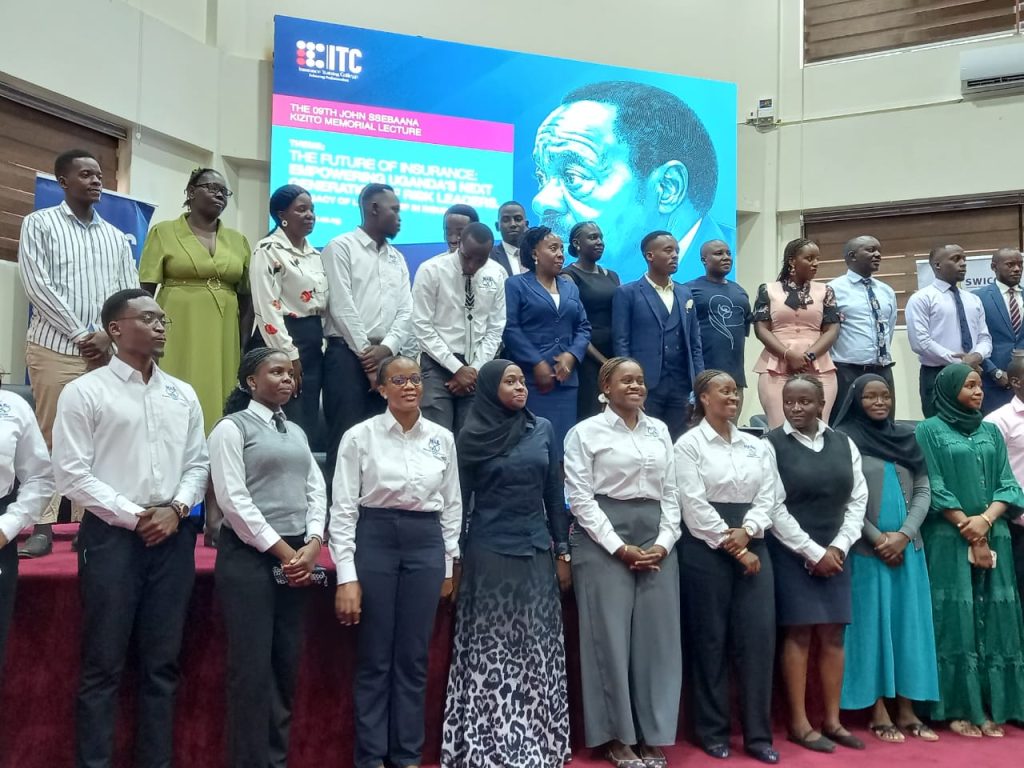
“This time round we decided to bring technical experts to impart strategic insurance knowledge and skills to university students undertaking insurance courses from more than a dozen universities,” Sseremba said.
The Insurance Training College has branches in Mbale, Gulu, Mbarara and Fort Portal, in addition to its headquarters in Kampala.
Seremba said the institution was committed to producing a strong and professional workforce capable of addressing the challenges facing the insurance industry.
He said the college had also established insurance clubs at universities and tertiary institutions across the country to equip students with practical knowledge about insurance products and career opportunities.
The clubs, he said, were intended to help students develop skills that would improve their employability after graduation.
Sseremba encouraged young people to enrol for short professional courses offered by the college, saying they could prepare them for opportunities as insurance agents and professionals serving banks, industries and other organisations.
He urged Ugandans to make greater use of insurance products covering areas such as health, education, housing, property, agriculture and business, saying wider insurance coverage would contribute to the country’s economic development.