



KAMPALA, Uganda — Uganda is deepening ties with the world’s leading electrical standards body as it seeks to attract investment, expand manufacturing and make locally produced goods more competitive in regional and global markets.
The Uganda National Bureau of Standards (UNBS) and the International Electrotechnical Commission (IEC) on Friday renewed their commitment to closer cooperation on standards and conformity assessment, putting product safety, quality and reliability at the heart of Uganda’s industrialisation ambitions.
The partnership could have implications well beyond consumer protection. For manufacturers and investors, compliance with internationally recognised standards can help reduce technical barriers to trade, improve market access and build confidence in products made or assembled in Uganda.
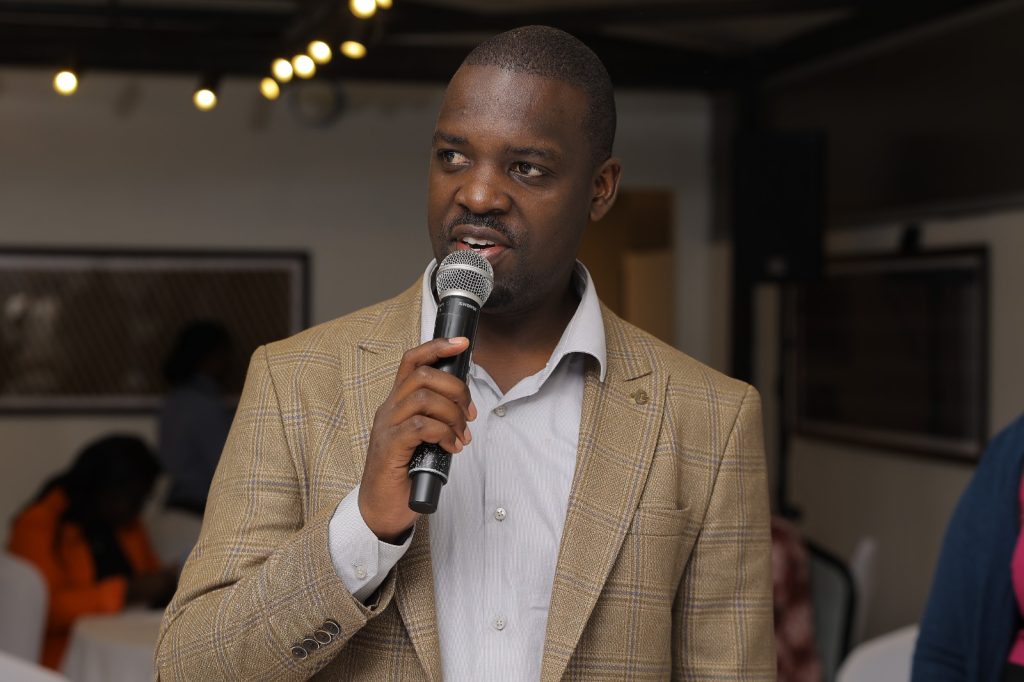
“Standards are economic infrastructure. They help businesses access markets. They reduce costs and uncertainty. They accelerate innovation. They build investor confidence and create the trust that allows economies to grow,” IEC Secretary-General and Chief Executive Officer Philippe Metzger told a UNBS-hosted business breakfast in Kampala.
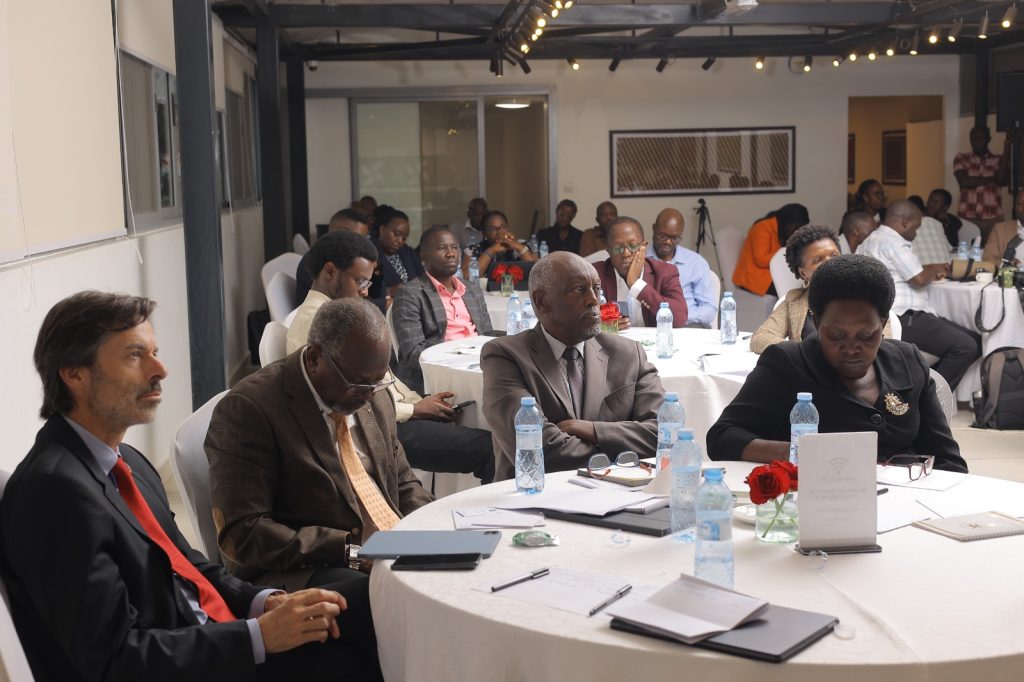
The meeting brought together Metzger and his delegation, government officials, UNBS leadership, members of Uganda’s IEC National Committee, industry representatives, academics and other stakeholders.
It was the public culmination of Metzger’s September 16-18 visit, which included engagements at UNBS headquarters in Bweyogerere and tours of the bureau’s laboratories.
Uganda has been an IEC Associate Member since 2020 and has adopted more than 288 IEC standards covering electrical appliances, cables, electric mobility, solar photovoltaic systems, lighting and renewable energy technologies.
Metzger said Uganda’s ambition to grow its economy tenfold by 2040 would require more than capital and infrastructure. The country would also need technical systems that allow domestic businesses to meet international requirements and plug into global value chains.
“International standards are a foundation for trust, innovation and sustainable economic growth,” he said, adding that Uganda’s participation in IEC work provided an opportunity to influence international standards while ensuring they respond to the needs of its industries.
The IEC has a network spanning nearly 170 countries and thousands of technical experts, giving Uganda access to a global platform for developing standards in areas increasingly important to investment and industrial competitiveness.
Among the sectors highlighted were agro-industrialisation, tourism, mineral-based industrialisation, science and technology, renewable energy and energy efficiency.
Electricity is particularly important as Uganda seeks to expand industrial production.
Metzger said reliable power underpins manufacturing, healthcare, education, communications and transport, while standards can improve safety, reliability and interoperability across electricity generation, transmission and distribution.
Uganda is targeting an increase in generation capacity from about 2 gigawatts to 8.3 gigawatts and electricity access of 85% by 2030. The expansion is expected to increase demand for technologies ranging from solar systems and energy storage to smart-grid and off-grid equipment.
For international investors, the ability to operate within recognised technical and conformity-assessment systems can be an important consideration when assessing manufacturing locations and supply chains.
Denise Ayinebona, Commissioner of Industry and Technology at the Ministry of Trade, Industry and Cooperatives, said Uganda’s participation in the IEC could help the country shape the standards underpinning its technological and industrial future.
“By embracing international standards, we can protect consumers, strengthen domestic manufacturing, support clean energy, facilitate trade and position Uganda as a competitive participant in the global economy,” she said on behalf of Trade Minister Sanjay Tana.
James K. Kalibbala, Chairperson of the National Standards Council, said Uganda should use its IEC membership to strengthen technical capacity and ensure international standards take account of the realities of developing economies.
He urged the country to move from participation towards greater technical engagement and ultimately measurable economic impact.
UNBS Executive Director and Secretary of Uganda’s IEC National Committee, Eng. James N. Kasigwa, has previously stressed the importance of implementing IEC standards as Uganda imports and uses increasing volumes of electrical and electronic equipment.
The immediate payoff for consumers is greater assurance over the safety and performance of products. For businesses, however, the larger prize is market access.
As Uganda courts investment and seeks to increase exports, the ability of its manufacturers to demonstrate compliance with internationally recognised standards could increasingly determine whether locally made products can move beyond the domestic market and compete for business across Africa and beyond.
The challenge now is implementation: ensuring that standards adopted on paper are backed by effective testing, certification, enforcement and industry capacity.