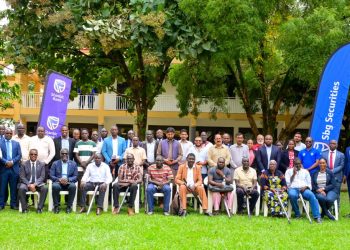



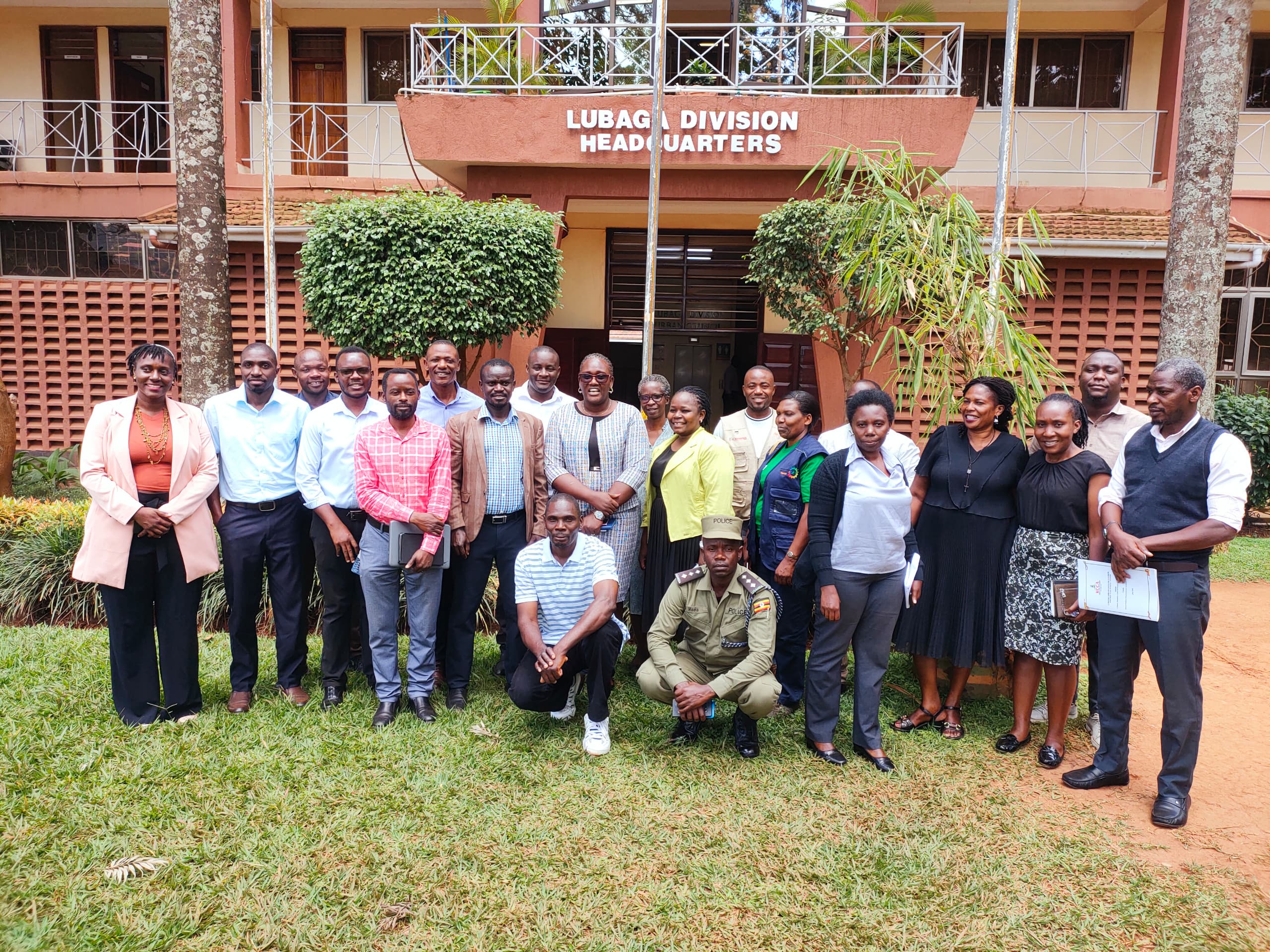
Kampala, Uganda — In a move towards strengthening disaster preparedness and response in Kampala, ACTogether Uganda, in partnership with the Office of the Prime Minister (OPM) and Kampala Capital City Authority (KCCA), has successfully conducted a comprehensive training for the Rubaga Division Disaster Risk Management Committee. This initiative is part of ongoing efforts to enhance local capacity for disaster risk reduction and management within the city.
Building Functional Disaster Management Committees
Rhoda Gwayinga, Supervisor of Risk Management at KCCA, explained that although disaster risk management committees were constituted last year as part of the annual plan, many had not been fully operational. “The purpose of these committees is to monitor and report disasters, sensitize communities, and coordinate timely responses,” she said. The training focused on orienting committee members about their roles and responsibilities in disaster preparedness and management.
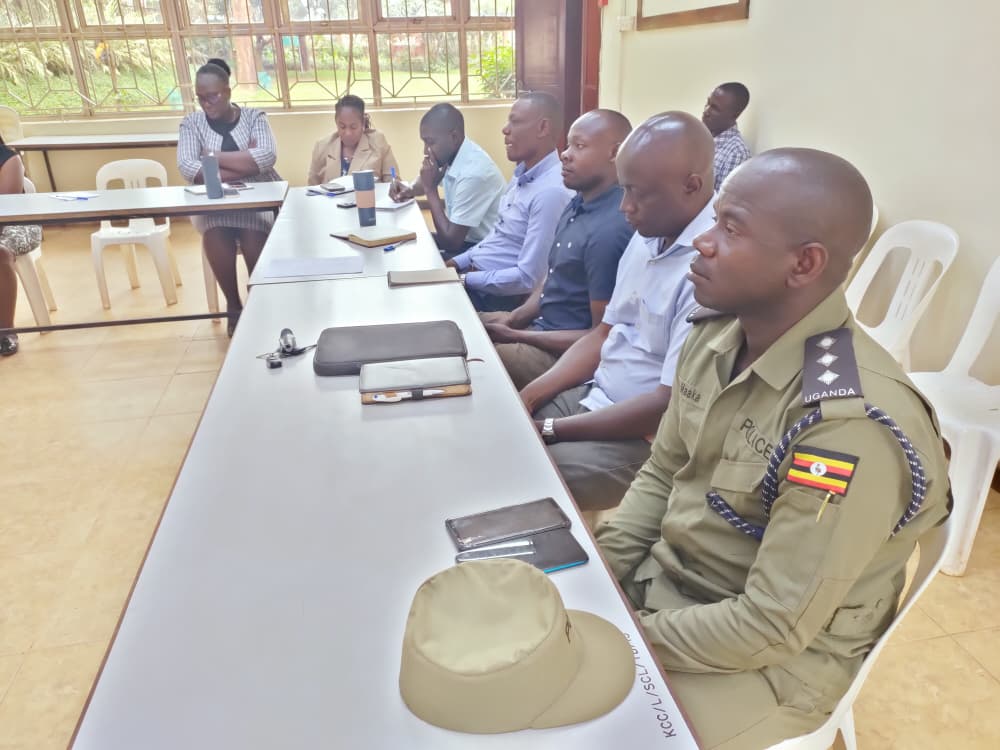 The training was facilitated by technical experts from OPM and included key stakeholders such as division department heads, and NGOs.
ACTogether’s Role in Empowering Communities
Mr. Sebanja Junior Alves, Project Manager at ACTogether Uganda, shared insights about the organization’s project “Generating Ambitions for Locally Led Adaptation,” which operates in Uganda, the Philippines, Senegal and Zimbabwe. The project aims to empower existing social and economic structures to implement adaptation initiatives that address climate change impacts, particularly focusing on sustainable waste management in urban areas.
“The partnership with KCCA and OPM is vital in ensuring disaster risk management committees are functional, equipped, and able to coordinate effective disaster responses at the division and community levels,” said Sebanja. He highlighted the importance of clarifying committee roles and providing continuous support to ensure their sustainability.
Fostering Coordination and Community Engagement
Mr. Lubega Edris, National Data Coordinator for the National Slum Dwellers Federation of Uganda and ACTogether Uganda, emphasized the critical role of these committees in informal settlements, where disasters such as floods, fires, and storms frequently occur.
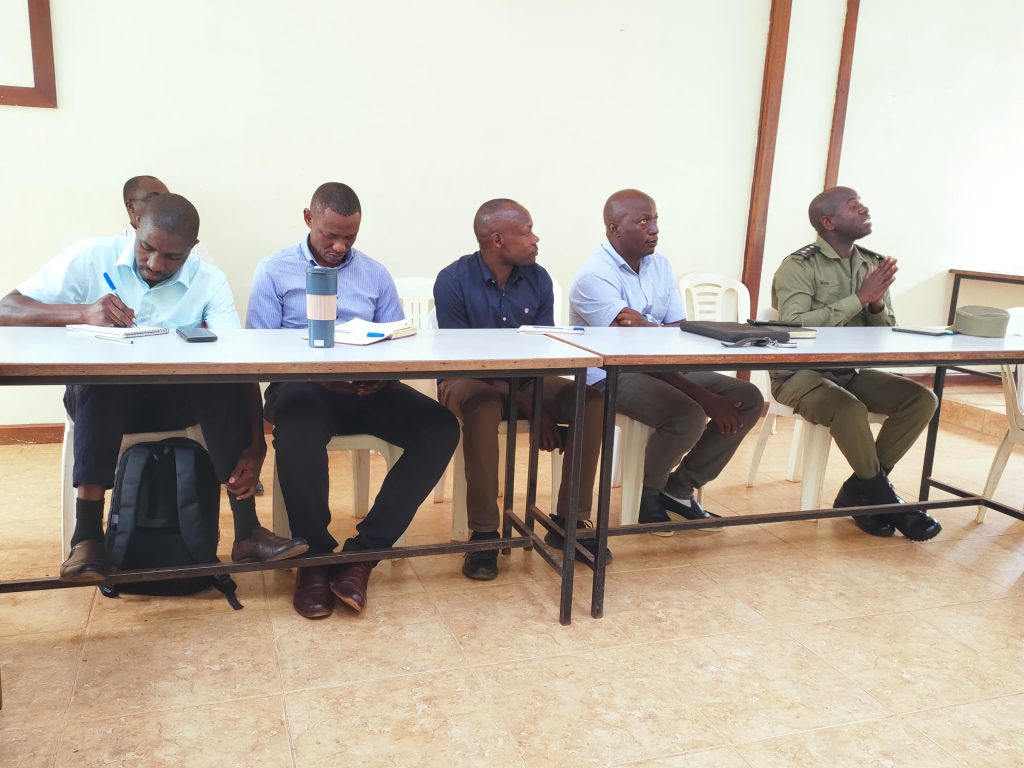 “Our urban communities, especially those in informal settlements, are highly vulnerable. This training is crucial to building capacity at all levels from the village to the national level, so communities can manage risks and become resilient,” Lubega said. He noted that disaster risk management teams integrated at every administrative level would improve coordination and ensure a swift and effective response to emergencies.
Looking Ahead: Sustained Engagement and Quarterly Reviews
Following the training, the Rubaga Division Disaster Risk Management Committees plan to meet quarterly to review risks, share updates, and coordinate disaster response efforts. In case of emergencies such as floods or fires, the committees will conduct rapid needs assessments and report directly to OPM through established channels.
Sensitization activities will also be extended to the parish level to ensure grassroots communities understand disaster risks and preparedness measures. This approach will foster a culture of awareness and readiness across the city.
Achievements of Generating Ambitions for Locally Led Adaptation project, and Future Plans
The four year project which is currently in its first year has so far yielded serious achievements, including identifying gaps in waste management plans and improving coordination among government agencies and communities.
Sebanja noted, “Through this project, we have supported city councils like Mbarara to develop comprehensive waste management plans, enhancing their ability to address environmental risks effectively.”