


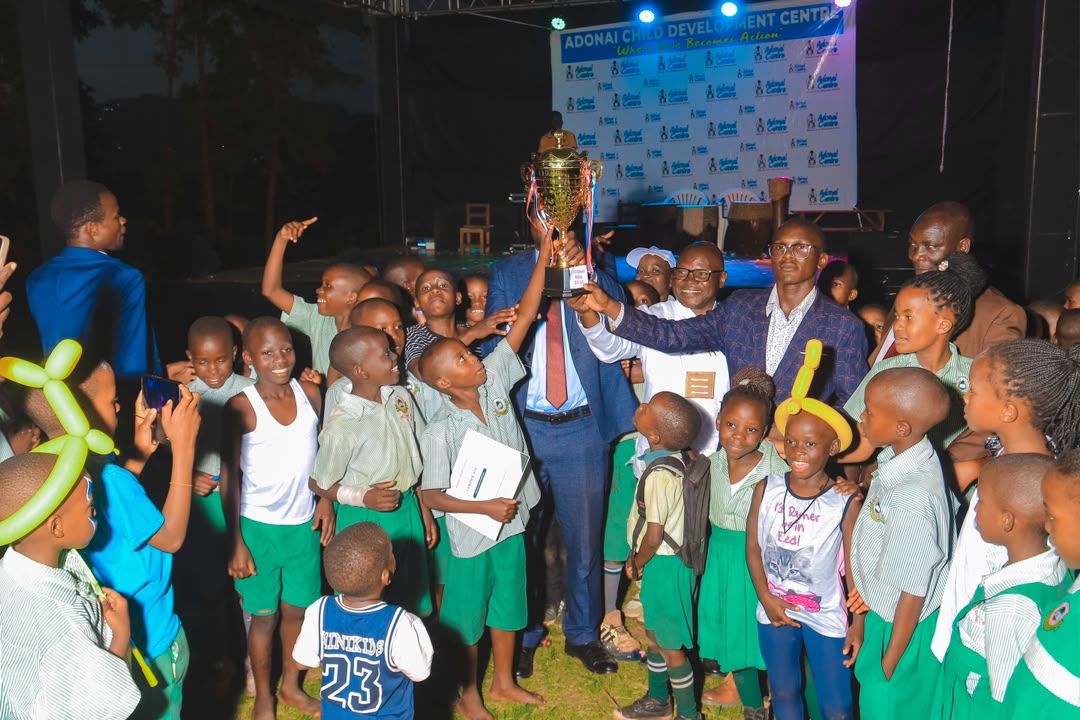
KAMPALA Uganda (UGNEWSLINE) – For many vulnerable children, access to quality education remains a significant challenge, with limited household resources often threatening their ability to remain in school and pursue their ambitions.
In response to this challenge, Adonai Family Uganda located in Nsaggu, Wakiso district is using education as a tool to create opportunities for orphans and vulnerable children, with the long-term ambition of helping them break the cycle of poverty and become self-reliant members of society.
The locally established non-governmental organisation runs Adonai Junior School, alongside an education sponsorship programme that supports selected beneficiaries beyond primary education, including secondary school and, depending on individual needs and available resources, higher institutions of learning.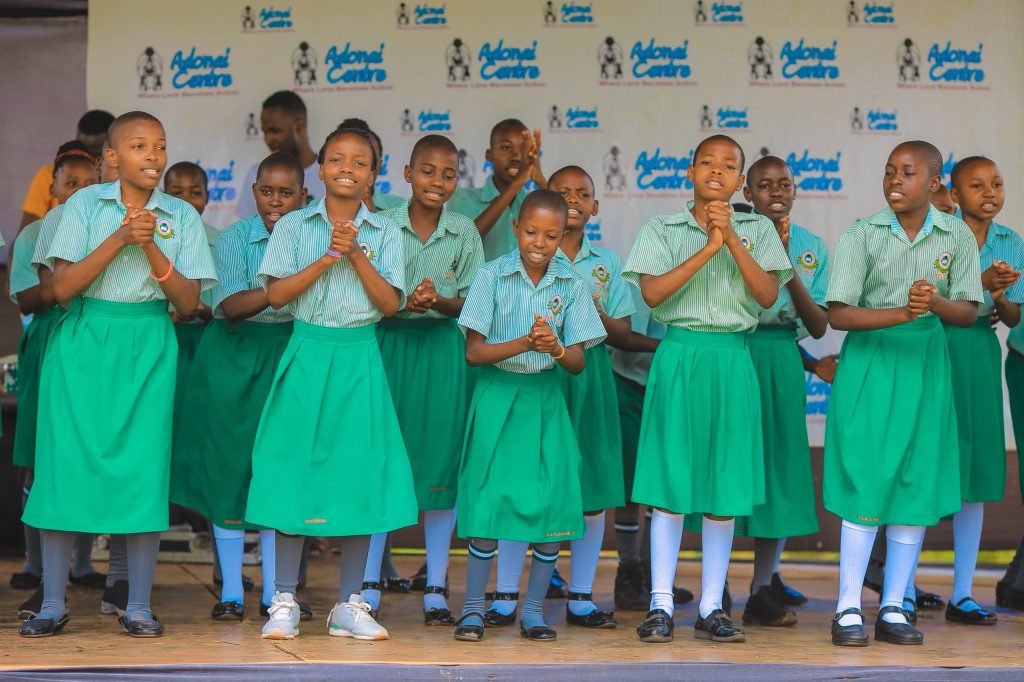 Aloysius Luswata, the Founding Director of Adonai Family Uganda, says the organisation’s education interventions are guided by a broader vision of raising purpose-driven, responsible and value-oriented children who can eventually support themselves and their families.
“Our focus is not simply to take children to school or ensure that they complete their education. We want to raise purpose-driven children who have values, understand their responsibilities and are able to become productive members of society. By the time a child completes our programme and moves into independent life, we want that child to have the capacity to support themselves and eventually support their family,” Luswata said.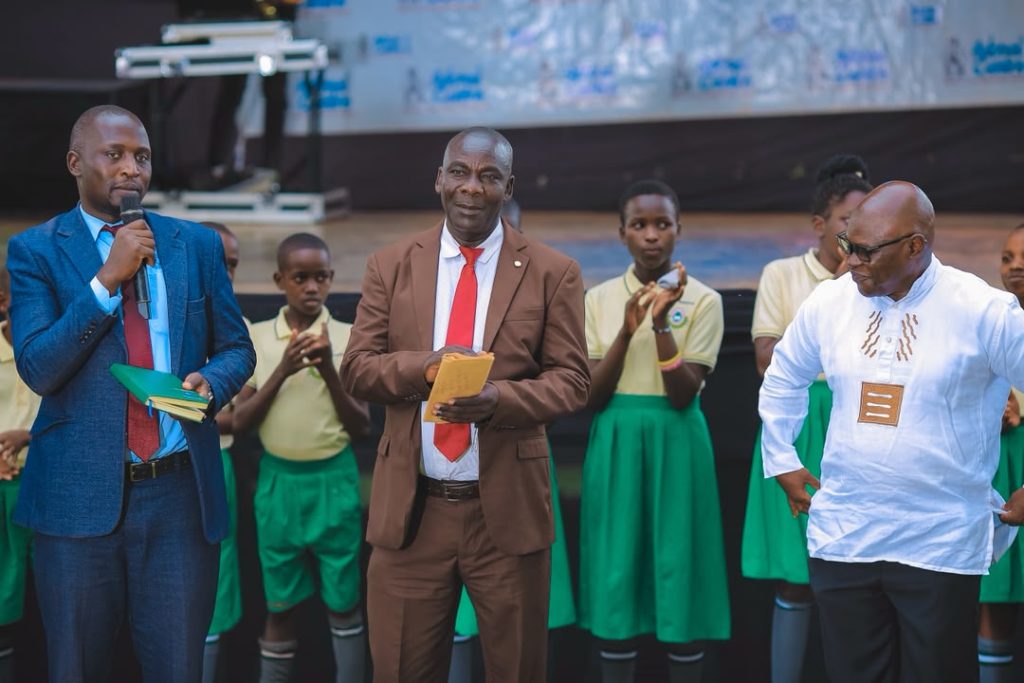 He explained that the organisation believes education is among the most effective ways of addressing the underlying causes of poverty, particularly among households where children have limited opportunities to access schooling and other essential services.
Supporting children from vulnerable backgrounds
Through Adonai Junior School, the organisation provides educational opportunities to orphans and vulnerable children while also welcoming pupils from families with different economic backgrounds.
Its sponsorship programme further extends educational support to selected children who may otherwise struggle to continue with their studies because of financial challenges.
According to Luswata, the organisation currently provides direct support to approximately 300 children at primary level, while another estimated 500 benefit indirectly from its interventions. More than 100 students are also receiving support at secondary school level, with additional beneficiaries pursuing higher education.
He said the organisation’s support is guided by the needs of individual children and the resources available to sustain their education.
“Under education, we have our school where we support orphans and vulnerable children, but we also welcome children from other backgrounds. We also have a sponsorship department through which we support children beyond primary school. Some continue to secondary school, while others are supported to pursue higher education, depending on their needs and the resources available,” he explained.
Luswata said the organisation wants to ensure that children from disadvantaged households are not denied opportunities simply because their families cannot afford the cost of education.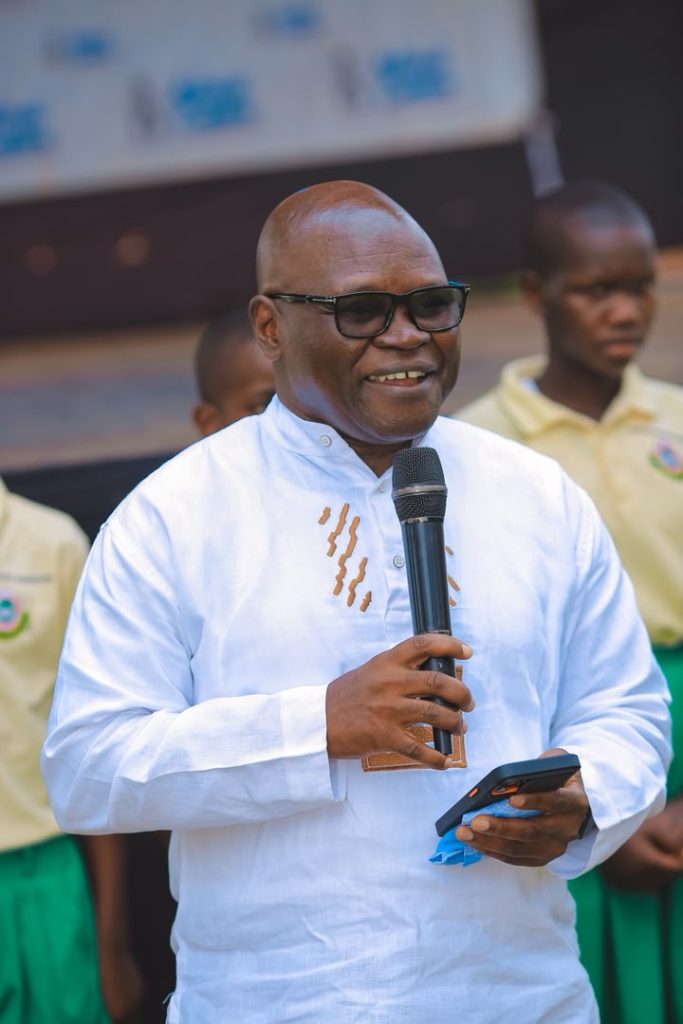 He noted that supporting children through different levels of learning gives them a better opportunity to acquire the knowledge and skills necessary to participate in the economy.
Beyond academic qualifications
While academic education remains central to Adonai Family Uganda’s programmes, the organisation says it is equally important to recognise that children have different abilities and that not every learner will follow the same academic path.
Luswata said children who encounter difficulties progressing through conventional academic education should be supported to identify their strengths and pursue practical skills that can enable them to earn a living.
He cited vocational training in areas such as mechanics and agriculture as important alternatives for young people who may not excel academically but have the potential to become productive through practical work.
“If a child is academically unable to go very far, it does not mean that the child cannot succeed in life. We have to identify where that child’s strength is and channel them towards the right opportunity. Someone may not become a university graduate, but they can acquire skills in mechanics and become very good at repairing machines. Another may develop skills in agriculture and become a productive farmer,” he said.
He argued that practical skills are essential to national development because societies depend on people who can produce food, maintain machinery, provide services and create employment.
“The world stands on skills. We need people who can feed the world, repair machines and provide practical solutions to everyday challenges. If someone acquires proper agricultural training, they can return to their community, grow food, raise animals and earn a living. We should therefore not make children feel that their future is finished simply because they have not performed well academically,” Luswata added.
The organisation’s approach seeks to ensure that each child is guided towards an educational or vocational pathway that matches their abilities and provides opportunities for economic independence.
Education as a pathway out of generational poverty
For Adonai Family Uganda, the ultimate measure of success is not merely the number of children enrolled in school or receiving sponsorship, but whether those children can eventually become independent and improve the circumstances of their families.
Luswata said the organisation wants to interrupt the cycle in which children from economically disadvantaged households grow up facing the same challenges that limited their parents’ opportunities.
“Our ambition is to see a child who comes from a vulnerable background acquire an education or a practical skill that enables them to stand on their own. We want them to reach a point where they are no longer struggling to meet their basic needs and can also help their families. That is how we believe we can contribute to breaking the chain of poverty,” he said.
He added that the organisation’s education programme is complemented by family empowerment initiatives because the economic circumstances of a household can significantly influence a child’s ability to remain in school and succeed.
Through its community development programme, Adonai Family Uganda supports selected families involved in agriculture, small businesses and livestock farming.
One of the initiatives involves providing two piglets to selected households, alongside support to help them establish productive pig farming activities.
Luswata said strengthening household incomes helps parents and guardians become better positioned to provide for their children, complementing the educational support offered by the organisation.
Creating a supportive environment for learning
Beyond school fees and sponsorship, Adonai Family Uganda’s work also recognises the importance of addressing children’s broader welfare needs.
The organisation operates Adonai Medical Centre, which provides general treatment, antenatal care, maternity services, dental care, laboratory investigations and diagnostic scanning.
It also undertakes agricultural activities, growing maize, cassava, potatoes, beans and vegetables to contribute towards feeding children under its care.
Luswata said these interventions are intended to create a supportive environment in which children can access education while their basic needs are also considered.
“Some of our children are accommodated here, and we provide meals for them. We therefore have to look at their welfare beyond the classroom. A child needs food, healthcare and a supportive environment to benefit from education. That is why our work brings together education, health and community development,” he explained.
Appeal for support to educate more children
Despite its interventions, Adonai Family Uganda says the demand for support among vulnerable children and families remains significant.
The organisation currently relies on international partners from the United States and Europe, churches, local individuals, community well-wishers and its own income-generating activities to sustain its programmes.
Luswata has appealed to government, development partners, the private sector and individuals to support its education initiatives, particularly through financial assistance, scholastic materials and the provision of qualified teachers.
He estimated that between Shs50,000 and Shs60,000 could help provide scholastic materials for a child, while approximately Shs500,000 could contribute towards a teacher’s monthly remuneration. These figures were presented as indicative estimates during the interview.
He said additional support would enable the organisation to improve its capacity to reach more children and sustain those already benefiting from its programmes.
“We appreciate the friends, partners, churches and individuals who have supported us. But we still have many needs, and we appeal to more people and institutions to come on board. Even a small contribution towards a child’s education can make a meaningful difference. If we can have additional support for teachers, scholastic materials and other learning requirements, we shall be able to strengthen the services we provide,” he said.
He also called for government partnership through the provision of qualified teachers, noting that such support would reduce some of the organisation’s operational costs and enable it to direct more resources towards vulnerable learners.