

KAMPALA Uganda (UGNEWSLINE) – The Uganda Bureau of Statistics (UBOS) has called for stronger collection, management and use of water and sanitation statistics to help Uganda and other African countries improve service delivery, plan infrastructure and prepare for climate-related risks.
UBOS says reliable and timely data is essential in helping governments identify communities facing water shortages, sanitation challenges and climate threats, enabling authorities to make informed decisions and direct resources to areas with the greatest needs.
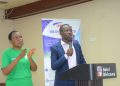
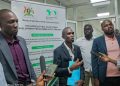
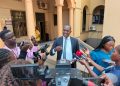
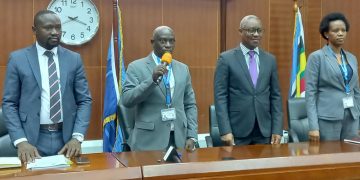
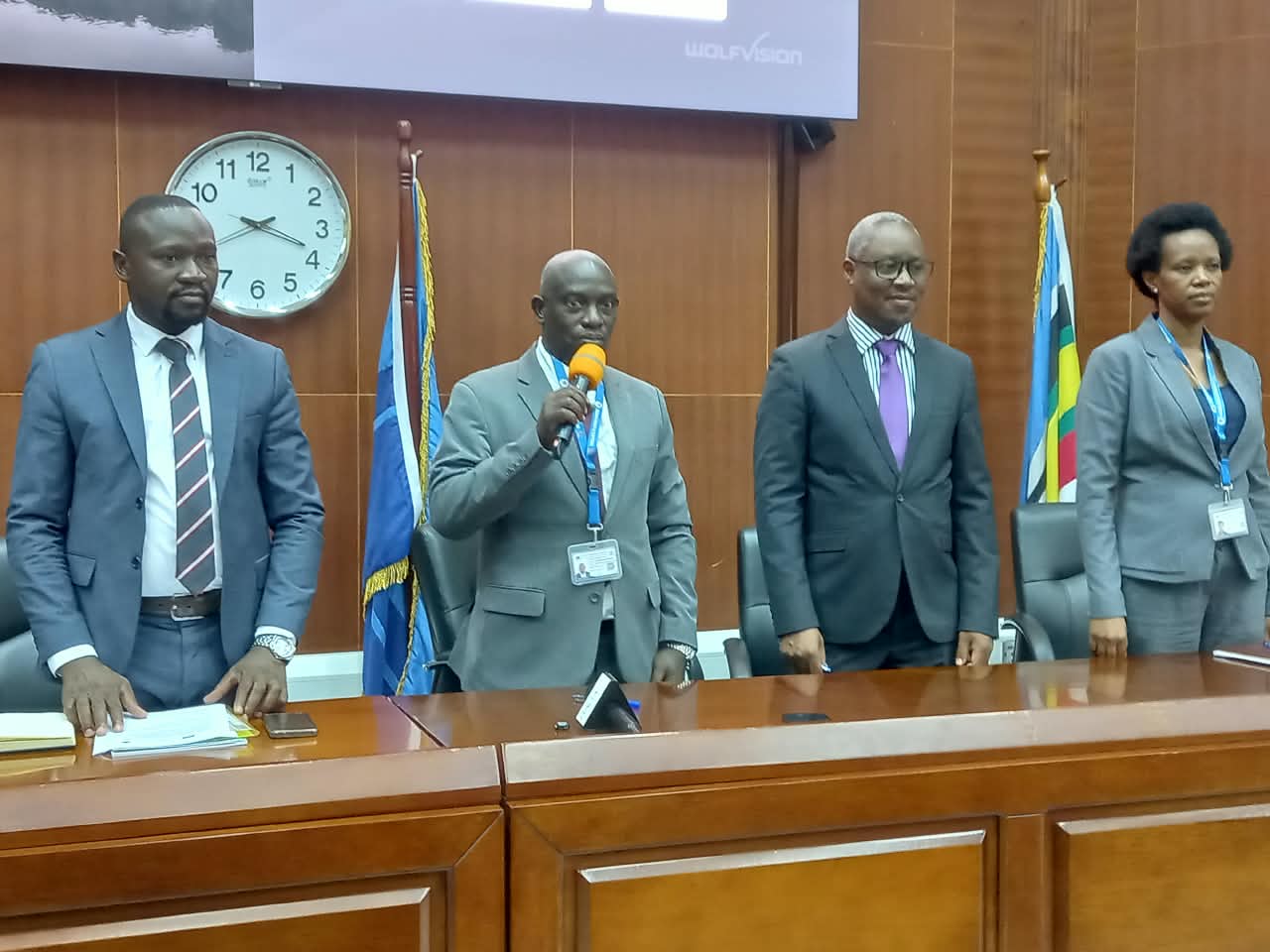
The call was made on Thursday, November 12, 2026, during a press conference at Statistics House, the UBOS headquarters in Kampala, where the institution unveiled the theme and programme for this year’s Africa Statistics Day celebrations.
The celebrations, running from November 12 to 18, will be held under the theme: “Institutionalising Water and Sanitation Statistics for Sustainable and Climate-Resilient Development in Africa.”
The Executive Director and Chief Statistician of UBOS, Dr Chris Mukiza, represented by his deputy, Dr Vincent Fred Ssennono, said statistics should be appreciated as a critical tool for guiding government policies, planning and decision-making.
Ssennono said the celebrations would provide a platform for experts and policymakers to examine how improved water and sanitation data can support Uganda and other African countries in planning services, identifying gaps and responding to climate-related challenges.
He said the high-level public dialogue scheduled for November 18 will bring together stakeholders to discuss the role of statistics in strengthening water and sanitation policies and informing decisions across the sector.
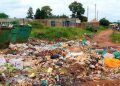
Better water and sanitation statistics are particularly important as African countries face growing pressure from climate change, including prolonged droughts, unpredictable rainfall, floods and increased pressure on water resources.
Reliable data can help governments establish which communities have access to safe water, identify underserved areas, monitor sanitation facilities and anticipate where climate-related disruptions are likely to affect water supplies.
Such information can also guide infrastructure investment, improve budget allocation and help authorities prepare interventions before communities experience severe water shortages or sanitation emergencies.
UBOS Director for Methodology and Standards, Thomas Lutalo, said statistics remain central to government planning, budgeting, policy formulation and decision-making, particularly in strengthening public service delivery.
He noted that evidence-based planning enables government institutions to understand existing service delivery gaps and develop appropriate interventions.
Meanwhile, UBOS Head of Outreach and Quality Assurance Services, Lydia Namono, called on the public, students, researchers and other stakeholders to participate in the week-long celebrations.
She said activities will take place at the UBOS headquarters, City Square in Kampala and the bureau’s regional offices in Gulu, Mbale, Arua and Mbarara.
The programme started on November 12 with a press conference to announce the theme and planned engagements.
On November 13, UBOS will launch its Fourth Plan for National Statistical Development, the Fourth UBOS Strategic Plan and the UBOS Service Delivery Standards for the 2025/26–2029/30 period.
On November 16, the bureau will hold seminars for statistics professionals, a students’ symposium and a sports gala.
The celebrations will climax on November 18 with a high-level Africa Statistics Day dialogue focusing on institutionalising water and sanitation statistics for climate-resilient development.
The dialogue will be jointly coordinated by UBOS, the Ministry of Water and Environment, the National Environment Management Authority (NEMA) and the National Water and Sewerage Corporation (NWSC).
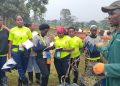
A blood donation drive and tree-planting campaign are also scheduled for November 19 as part of the activities marking the celebrations.