


KAMPALA, Uganda– Over 5,000 children, primarily aged 3 to 6, have been enrolled in humanitarian play labs pre-primary learning centers (ECD centers). Of these, more than 1,200 children have successfully transitioned to local primary schools in the districts of Terego and Madi-Okollo, thanks to BRAC Uganda, with funding from the Conrad N. Hilton Foundation.
These, among other outcomes, mark the achievements of a three-year Early Childhood and Graduation Project implemented in Uganda’s West Nile region, primarily in the refugee settlements of Rhino Camp and Imvepi.
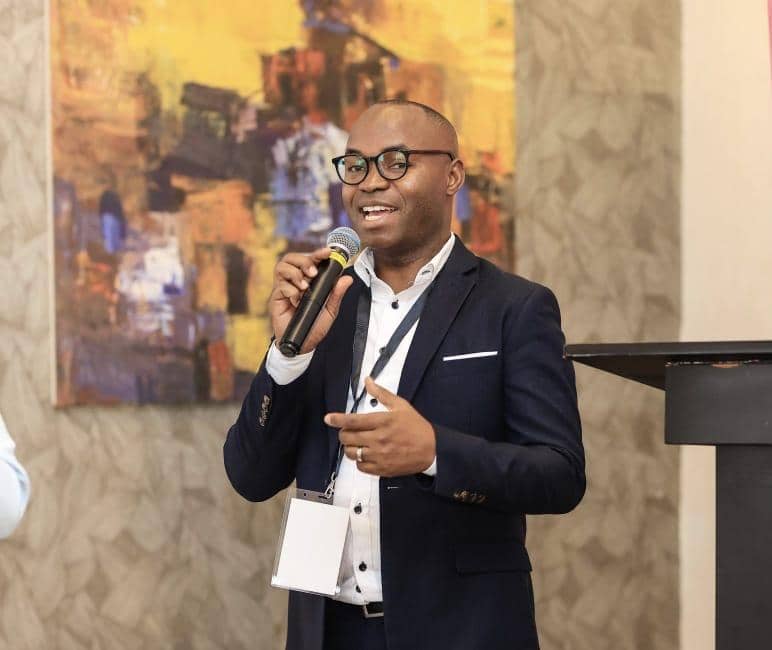
Speaking at the project’s closeout event, Joseph Kabanda, Project Manager at BRAC Uganda, highlighted the major milestones reached since the project’s launch in 2022.
He noted that the initiative was designed with sustainability at its core, aiming to address critical gaps in access to quality early child education and holistic livelihoods among refugee and host communities.
Project Concludes with National Recognition
BRAC Uganda, with funding from the Conrad N. Hilton Foundation, has officially closed its groundbreaking Early Childhood and Graduation Project, marking a major milestone in humanitarian and development efforts in Uganda.
Launched in 2022, the project concluded in September 2025 with a celebratory event that brought together government officials, partners, and community beneficiaries to reflect on three years of impactful work.
The initiative was implemented in the districts of Terego and Madi-Okollo, specifically within the Rhino Camp and Imvepi refugee settlements, reaching thousands of vulnerable children and families across the West Nile region.
Three Core Objectives, Transformative Results
According to Joseph Kabanda, the project was designed with three main goals:
- Holistic Child Development: Establishing Humanitarian Play Labs (HPLs) or ECD centers to nurture the social, emotional, and cognitive development of children aged 3–6.
- Family Livelihood Support: Applying the Ultra-Poor Graduation (UPG) model to lift refugee and host community families from ultra-poverty through asset transfers, training, financial inclusion, and social empowerment.
- Field Building and Advocacy: Investing in capacity building, research, and advocacy to strengthen ECD and Graduation efforts in humanitarian contexts.
Kabanda reported that over 5,000 children, mostly refugees, accessed play-based learning through 84 play labs in 34 ECD centres, and more than 1,200 successfully transitioned to formal primary education.
On the livelihoods front, 700 ultra-poor households received comprehensive support—including social protection (basic needs), productive asset transfers (e.g., livestock), training in savings and income generation, and behavior change coaching—enabling them to become self-reliant and resilient.
Sustainability Built Into the Model
Kabanda emphasized that the project was deliberately designed with sustainability in mind. BRAC trained Center Management Committees and parent groups to take ownership of ECD centers, introduced animal health champions for community-based livestock care, and collaborated with government extension workers to ensure continuity after BRAC’s exit.
He also addressed the issue of refugee attrition, particularly return migration to South Sudan, noting that “Empowered individuals choosing to return home with skills and assets is a positive outcome.”
A National Celebration and Call for Continued Partnership
The closeout event featured remarks from government leaders, development partners, and community members—many of whom shared firsthand testimonies of transformation, dignity, and hope.
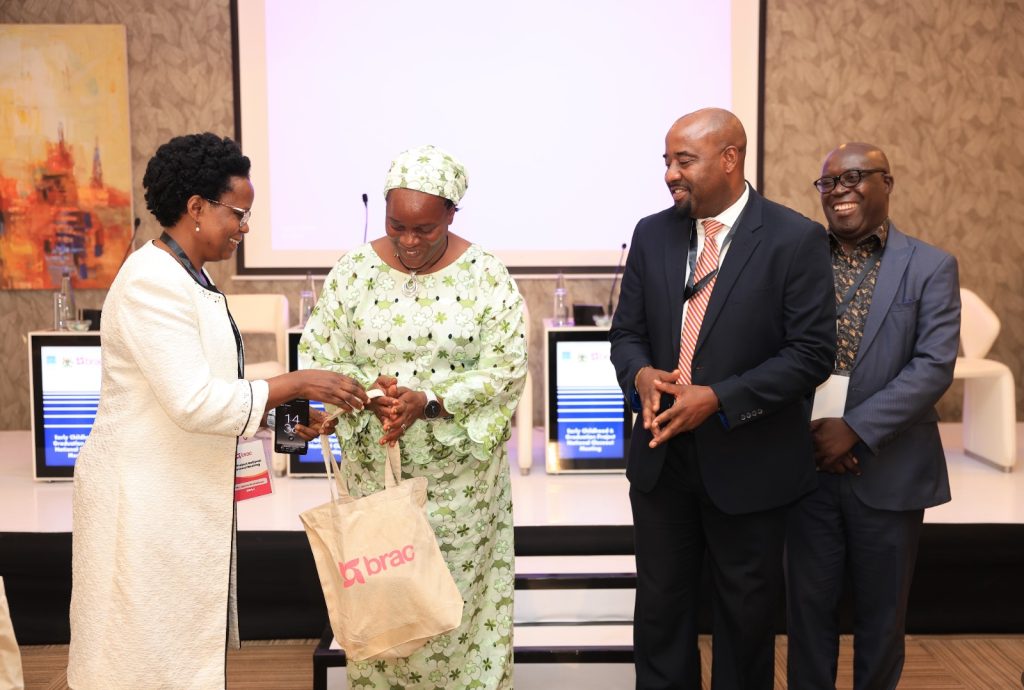
Spera Atuhaire, BRAC Uganda’s Country Director, applauded the project’s impact and called for stronger collaboration with government and development agencies.
“Our mission is to invest in people, to unlock their potential and create long-term transformation,” she said. “The Graduation model works. The ECD approach works. Now, the challenge is: how can we work better together to take these gains forward?”
Atuhaire highlighted BRAC’s integrated approach across health, education, agriculture, microfinance, and youth empowerment, reaffirming BRAC’s long-term commitment to Uganda as a strategic partner.
Government Applauds BRAC’s Discipline and Results
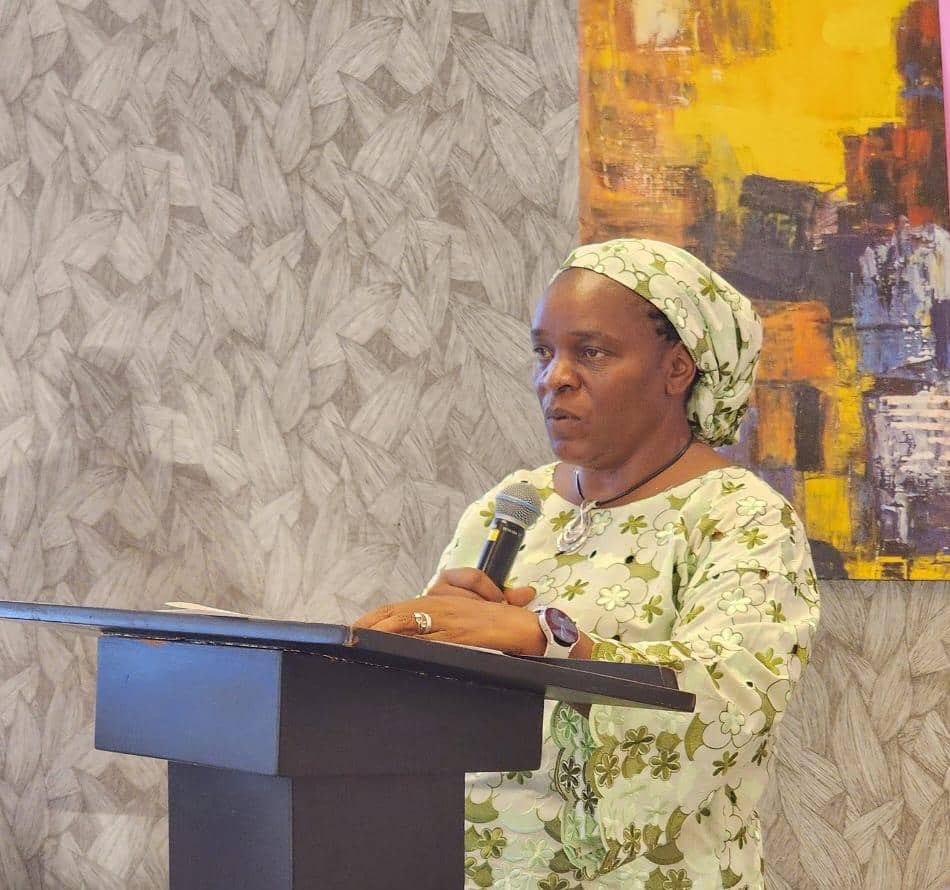
State Minister for Gender, Peace Mutuzo served as the guest of honor and commended BRAC for its structure, accountability, and commitment to empowering women and children.
“Good practices and financial discipline stood out,” she noted, sharing how women in BRAC-led savings groups demonstrated remarkable discipline and leadership.
Minister Mutuzo praised the Humanitarian Play Labs for improving psychosocial well-being and strengthening parent-child interactions in refugee settlements.
“A woman owning 20 goats in a refugee settlement is no small feat. These are not just project beneficiaries—they are leaders in their communities,” she remarked.
She also reaffirmed Uganda’s unique commitment to refugee rights, noting:
“Uganda gives refugees the right to own land, access services, and live in peace. This is rare anywhere else in the world. Projects like this reinforce that commitment.”
Reflections and the Road Ahead
The project was praised for its alignment with national priorities, including Uganda’s National Development Plan (NDP) III and IV, and key Sustainable Development Goals (SDGs)—especially: SDG 1 (No Poverty), SDG 4 (Quality Education), SDG 5 (Gender Equality)
Minister Mutuzo stressed the importance of maintaining momentum after the project’s conclusion:
“While projects may end, the skills, structures, and empowerment must remain. Communities must take charge, and government is committed to integrating these models into national programs.”
A Legacy of Impact
In just three years, the Early Childhood and Graduation Project has made a lasting impact on Uganda’s refugee response—combining education, economic empowerment, and community-led development into one powerful, holistic intervention.
From play-based learning for pre primary children to income generating assets, food security, growing savings for households and rigorous home coaching, the project has restored dignity, nurtured dreams, and planted seeds of self-reliance that will continue to grow long after BRAC’s exit.