


MENGO, Kampala: The Buganda Kingdom has joined a nationwide effort to raise USD 4 million for the construction of Uganda’s first Bone Marrow Transplant (BMT) facility, a project expected to transform treatment for patients with serious blood disorders.
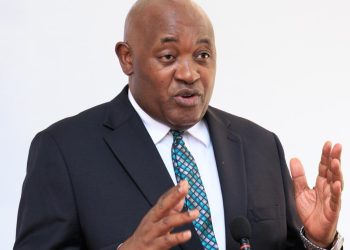
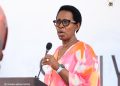
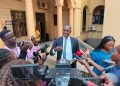
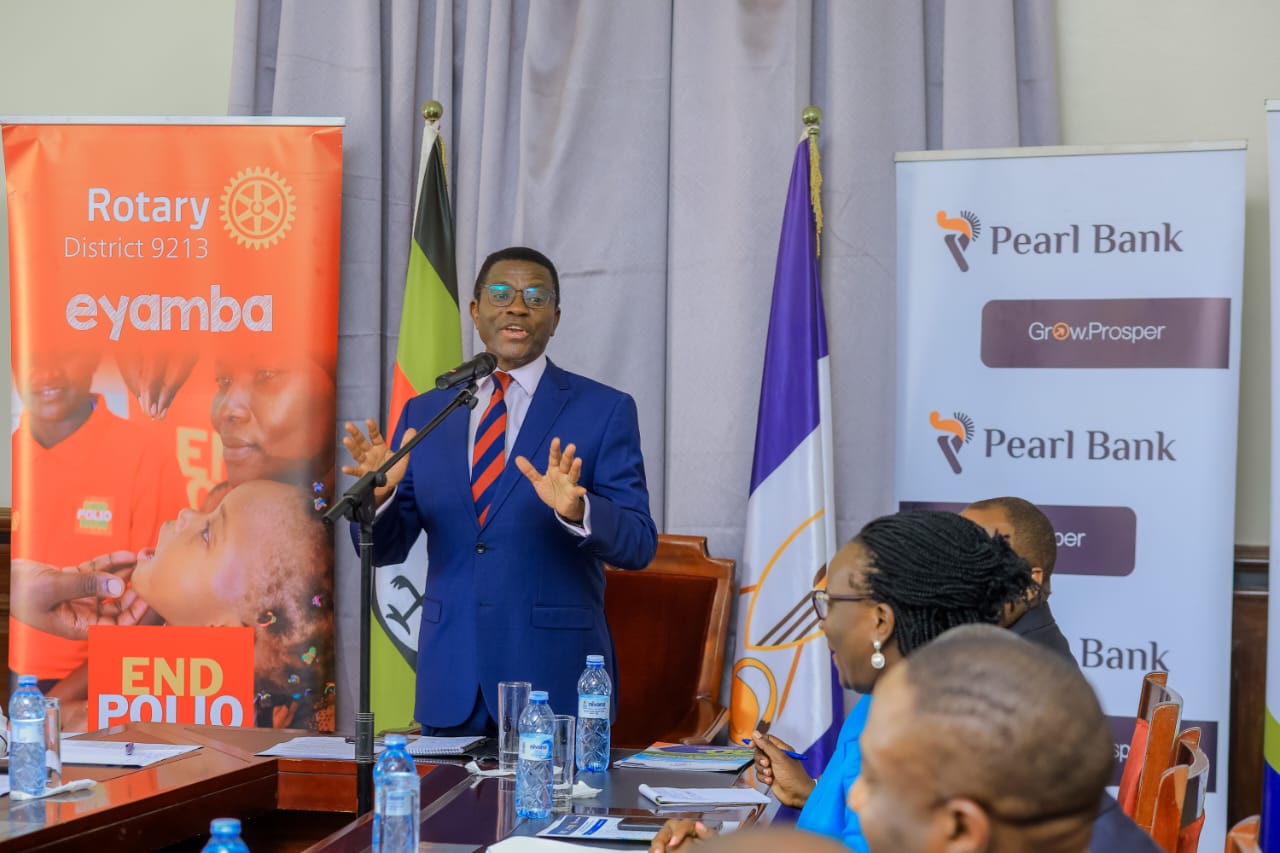
The Katikiro of Buganda, Charles Peter Mayiga, emphasized the importance of prioritizing health, noting that scientific advancements such as bone marrow transplants now offer effective treatment and potential cures for diseases like sickle cell.
“I am not a scientist, but I believe in science. We must rely on it to promote health,” Mayiga said. He added that the Kingdom’s vision of restoring its former glory depends on investing in the well-being of its people. “You cannot achieve much if you are not healthy,” he stressed.
Mayiga welcomed collaboration with partners committed to improving healthcare and praised the Rotary Club of Kampala Springs, Joint Clinical Research Centre (JCRC), and Pearl Bank for their roles in the initiative.
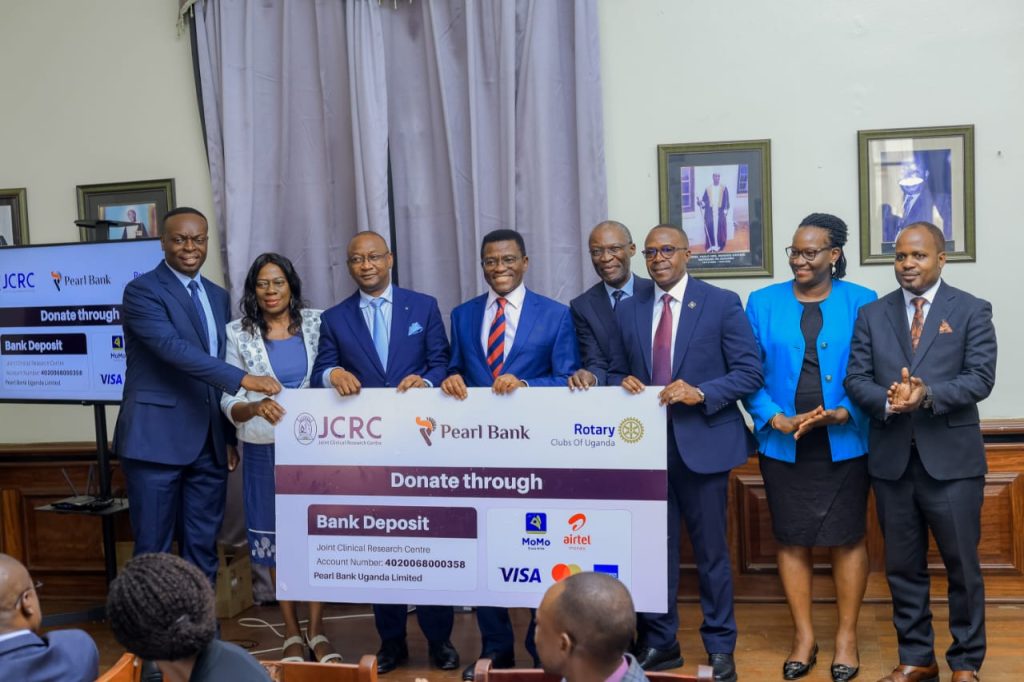
The fundraising campaign, led by JCRC in partnership with Rotary Uganda and Pearl Bank, aims to establish the BMT facility in Lubowa. Once completed, it will provide specialized treatment for conditions such as sickle cell disease, leukemia, lymphoma, and other blood disorders services that currently require patients to seek care abroad.
The facility will make Uganda one of only two countries in East Africa offering bone marrow transplants, alongside Kenya.
Pearl Bank has committed UGX 200 million to the project and will serve as the financial partner. Donations from the public will be facilitated through multiple channels, including mobile money, bank transfers, card payments, and QR codes via an online platform hosted by JCRC.
Rotary International is spearheading the campaign, with support from its district leadership and international representatives.
JCRC Executive Director Dr. Cissy Kityo said the facility will feature state-of-the-art technology and position Uganda as a regional hub for advanced medical care. She noted that significant groundwork has already been completed, but an additional $4 million is needed to finalize construction and begin treatment.
Pearl Bank Managing Director Julius Kakeeto described the partnership as both a philanthropic and strategic investment aligned with Uganda’s national development agenda, particularly in science, technology, and innovation. He highlighted that localizing such specialized treatment will reduce costs for patients and ease the burden on the national healthcare system.
The initiative reflects a broader commitment by all partners to improve healthcare access, strengthen medical research, and enhance the quality of life for Ugandans.
The fundraising drive is now active, with contributions being collected through Pearl Bank accounts and digital payment platforms.