



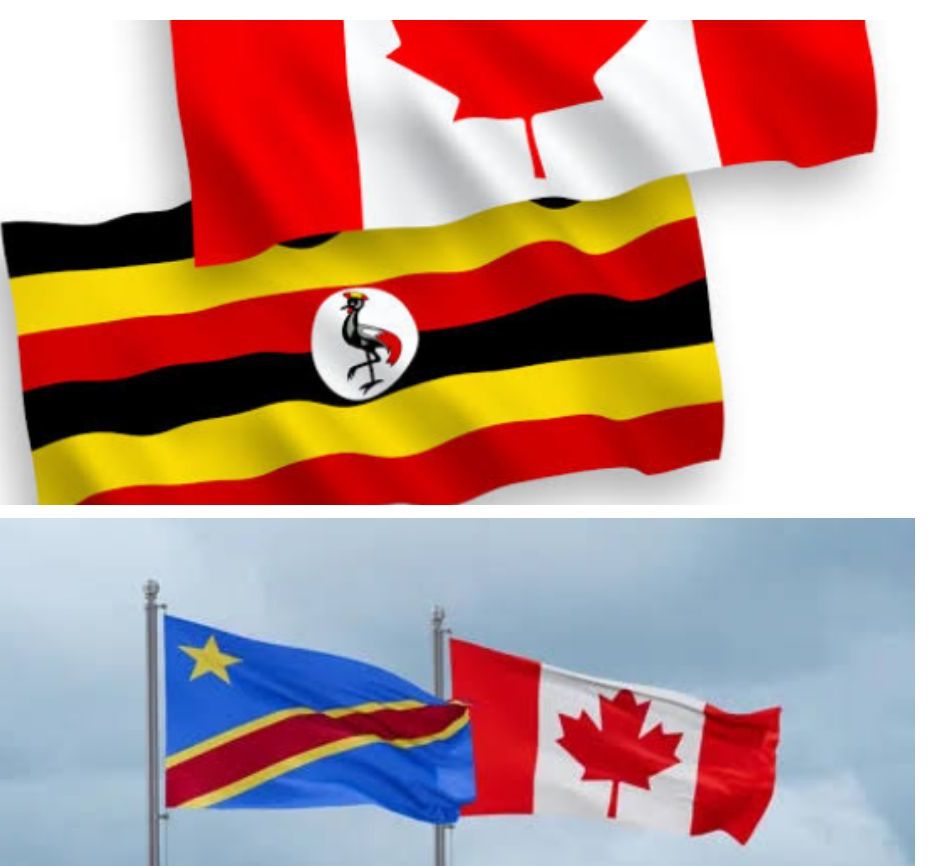
The Canadian government has announced tougher health and immigration measures in response to the escalating Ebola outbreak affecting parts of Central and East Africa.
Luc Brisebois, Director-General for the Centre for Border and Travel Health at Canada’s Public Health Agency, said travelers arriving from Ebola-affected regions will be required to undergo a mandatory 21-day self-isolation period.
Brisebois said the measures are being introduced out of an “abundance of caution” and will remain in effect until August 29.
Under the new directives, travelers who develop Ebola-related symptoms will immediately be transferred to hospitals for further medical examination and treatment. The stricter border controls will take effect on Saturday, while the Canadian government has also pledged to provide isolation facilities for travelers who do not have suitable places to quarantine.
In a related move, Canadian immigration authorities announced that beginning Wednesday, final decisions on immigration applications from citizens of Congo, South Sudan, and Uganda will be temporarily suspended for 90 days. Officials noted that the suspension could either be extended or lifted depending on how the Ebola outbreak evolves.
According to the World Health Organization, the outbreak—centered in northeastern Congo—involves a rare strain of the Ebola virus that is spreading faster than response efforts can contain it. More than 900 suspected cases and over 220 deaths have already been recorded.
International aid agencies have since intensified response operations, while the WHO warns that the outbreak could persist for several more months.