



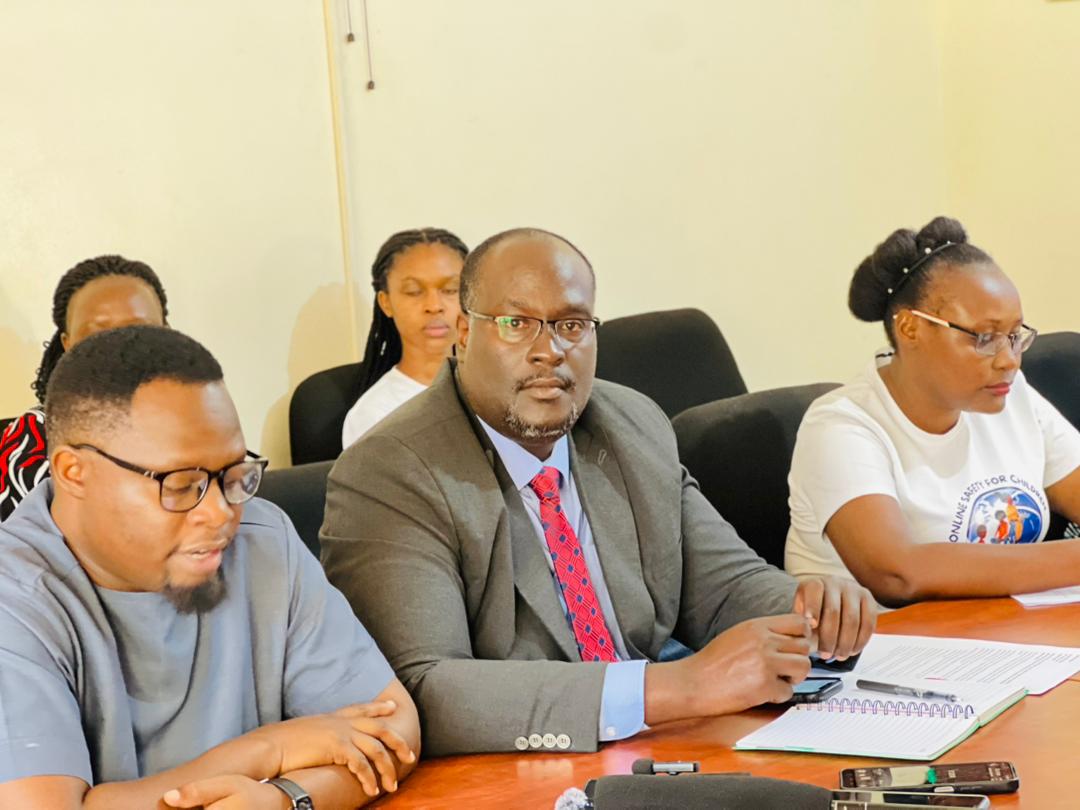
As the world marks the World Day for the Prevention of Sexual Exploitation and Abuse of Children, the Coalition on Sexual Violence Against Children in Uganda has raised fresh concerns about the increasing exposure of children to harmful, inappropriate, and unsafe media content.
According to the Coalition, children across Uganda are increasingly encountering disturbing material on television, radio, social media, and other online platforms. Content featuring violence, sexualized imagery, distorted portrayals of relationships, and damaging gender stereotypes is influencing children’s behaviour, shaping their worldviews, and heightening their vulnerability to exploitation.
While media can be a powerful tool for education, creativity, and empowerment, the Coalition warns that unregulated or poorly curated content can also expose children to sexual exploitation, abuse, emotional harm, and negative socialization.
Rising Concerns Backed by Global and Regional Data
Recent studies highlight the growing scale of the problem; Research by Internet Matters indicates that 1 in 5 children aged 9–13 have been contacted online by a stranger, 15% have encountered misinformation or disinformation, and 13% have experienced hate speech, In Eastern and Southern Africa, 1 in 10 children have faced online sexual abuse.
The International Association of Internet Hotlines (2023) reported a 25% increase in online sexual exploitation cases across Africa, with South Africa and Kenya each recording a 30% rise in child sexual abuse material.
In Uganda, the Disrupting Harm study by Safe Online found that 49% of children had accessed online pornography, with boys and older adolescents being most affected.
A 2020 study by the Uganda Communications Commission revealed that 70% of children receive little to no parental guidance on internet use, leaving them more vulnerable to harmful content.
These trends reinforce a critical message: children have the right to grow up safely—both online and offline. Ensuring safe media environments is essential to protecting their dignity, well-being, and innocence.
Call for Collective Action
As the world reflects on this significant day, the Coalition stresses the urgent need for Uganda to address the impact of unregulated media content on children’s daily experiences across television, radio, digital platforms, and print media.
The Coalition urges key stakeholders to take decisive action; Media Houses and Content Creators, Adopt child-sensitive programming guidelines, Promote positive, educational, age-appropriate content, Avoid broadcasting material that normalizes sexualization, violence, or abuse of children.
Government and Regulatory Bodies; Strengthen enforcement of media, digital safety, and child protection policies, Invest in monitoring systems capable of detecting and penalizing harmful content across all media platforms.
Technology Companies and Internet Service Providers; Prioritize child safety in platform and product design, Enhance content moderation, age-verification tools, and accessible reporting mechanisms.
Parents and Caregivers; Actively discuss with children what they watch, share, and encounter online, Create an environment of trust that encourages children to report uncomfortable or harmful experiences.
Schools and Community Leaders; Integrate digital literacy and safe media use into learning and community programs, Equip children with the skills they need to navigate online spaces responsibly.
Children and Young People; Speak up about unsafe experiences, Encourage peers to use media responsibly and safely.
Conclusion
As Uganda joins the global community in observing the World Day for the Prevention of Sexual Exploitation and Abuse of Children, the Coalition emphasizes that protecting children online and offline requires continuous, collective effort.