


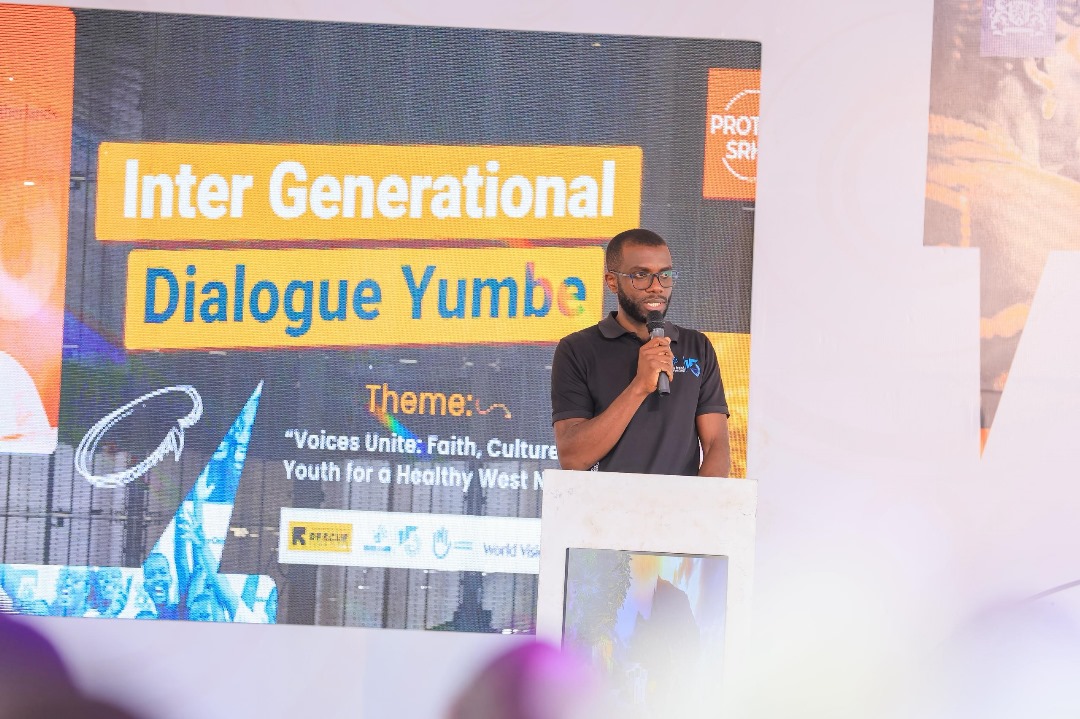
Yumbe – Community leaders, government officials, cultural and religious representatives, and young people gathered in Yumbe District for an intergenerational dialogue aimed at tackling teenage pregnancy, early marriage, and school dropout rates in the West Nile region.
The event, held under the theme “Voices Unite: Faith, Culture and Youth for a Healthy West Nile,” was an initiative by the Protect SRHR project funded by the Embassy of the Kingdom of the Netherlands in Uganda and implemented by a consortium of partners, including Reach A Hand Uganda, International Rescue Committee (IRC), World Vision Uganda, and Humanity and Inclusion.
A resounding message emerged: the home is the first line of defense. Leaders underscored that no external intervention can succeed without strong, supportive family environments. Parents were urged to play a proactive role in their children’s lives, fostering peace, love, and accountability.
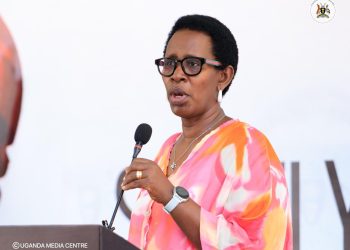
The Yumbe District LCV Chairperson called on parents to prioritize sending girls to school: “Parents should be friendly to their children at home because when there is peace at home, the children do not need to seek love elsewhere. Send girls to school because when left at home, they are more vulnerable to abuse. We all need to protect our children today,” she emphasized.
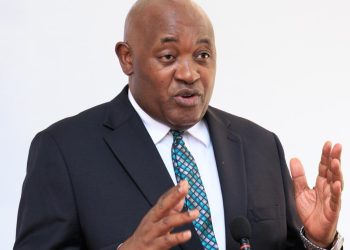
The Chief Guest, the Resident District Commissioner (RDC) of Yumbe, echoed the need for shared parental responsibility: “We cannot leave parenting to one side alone. When both mothers and fathers are engaged, boys learn respect and girls grow with confidence. That is the foundation of a healthy nation.”
Research presented by Jjumba Quarish Wasswa, Senior Monitoring and Evaluation Officer at the Ministry of Education and Sports, revealed the scale of the crisis. Teenage pregnancy in West Nile stands at 37%, far above the national average of 24%. Moreover, 6 in 10 children in Yumbe fail to complete primary school, due to early marriages, child-headed households, and economic challenges.
“Studies show that children in upper primary school still struggle with literacy and numeracy. Dropping out early leaves these gaps unaddressed, locking young people out of future opportunities,” Wasswa noted.
He also highlighted barriers such as gender-based violence (GBV), stigma, lack of WASH and menstrual health facilities, poor infrastructure, and cultural practices that undermine education.
Several speakers emphasized the need for urgent reforms and enforcement of existing policies: urging parents to provide academic and emotional support.
The Ministry of Education and Sports reaffirmed its commitment to enforcing the Re-Entry Policy for adolescent mothers, investing in school infrastructure, providing menstrual health support, and ensuring stringent enforcement of laws against child marriage and defilement.
Benson Muhindo, Reach A Hand Uganda, Head of Programs emphasized the importance of localizing intergenerational dialogues:
“For over 10 years we’ve used these spaces in Kampala, but now we’re bringing them closer to communities in West Nile. It’s not just about awareness—it’s about action.”
The dialogue concluded with a unified call: strong homes and sustained education are the most effective shields against teenage pregnancy and early marriage. Stakeholders committed to protecting every child’s right to learn and thrive, ensuring that no child in West Nile drops out of school due to poverty, pregnancy, or violence.
About the Protect SRHR Project.
The PROTECT SRHR is a 4-year disability inclusive project funded by the Embassy of the Kingdom of the Netherlands in Uganda that aims to improve access to and utilization of quality Sexual and Reproductive Health and Rights (SRHR) services, including information, among adolescents, women, girls, and vulnerable populations, including persons with disabilities, in 06 Districts of the West Nile Region of Uganda. These include: Nebbi, Pakwach, Terego, Maracaha, Yumbe, and Koboko in West Nil,e with activities implemented in consortium partnership with organizations like IRC, HI, RAHU, and Open Capital Advisors.
The project will further increase access to and utilization of SRHR and GBV services by women, adolescents, and young people (10-24), including marginalized groups, and improve retention and completion rates of girls and boys in primary and secondary schools. This will be attained by reducing preventable maternal deaths, teenage pregnancies, sexual and gender-based violence (SGBV), child marriage, and new HIV infections among adolescent girls in the six districts of the West Nile region.
The project will work through community structures, including health facilities where various ISRHR services and activities, including youth days, will take place; therefore, the activity will support scoping out the health facilities.
Why young people and adolescents in the West Nile?
Young people, especially adolescent girls and young women in West Nile, face challenges related to SRHR and GBV, including high rates of teenage pregnancy, child marriage, and limited access to youth-friendly services. Their voices are often absent from the decision-making tables that directly affect their lives. This documentation seeks to center their narratives and empower them as agents of change.