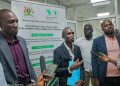



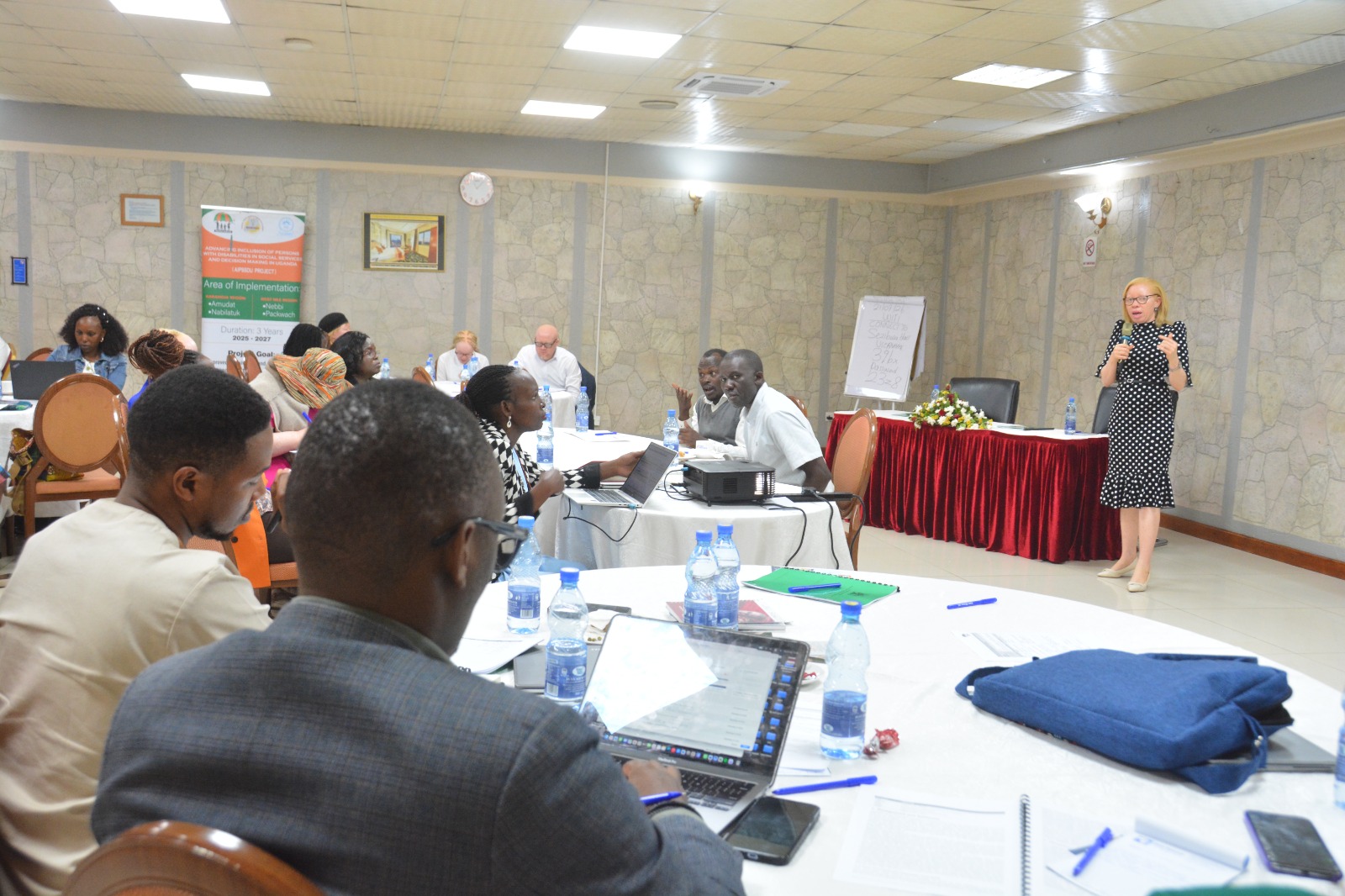
KAMPALA – The Government of Uganda and disability rights stakeholders have begun the process of validating and extending the National Action Plan for Persons with Albinism from 2025 to 2031, in a move aimed at strengthening the protection, inclusion and access to services for persons with albinism.
The revised action plan is intended to align with Uganda’s Vision 2040 and the African Union Disability Protocol, which runs until 2031, while assessing progress made under the current National Action Plan that was domesticated in 2022.
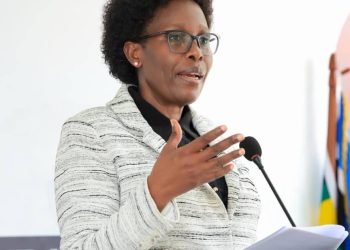
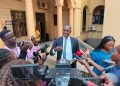
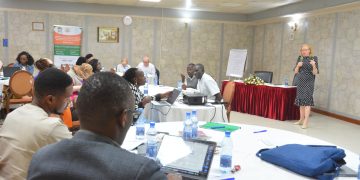
Speaking during the validation meeting in Kampala, Executive Director of Albinism Umbrella, Ms. Olive Namutebi, said Uganda was among only four African countries to domesticate the African Union Regional Action Plan on Albinism, which was developed to promote the rights of persons with albinism and address ritual attacks and human sacrifice linked to harmful myths across the continent.
She noted that Uganda’s action plan also pays special attention to refugees with albinism because of the country’s large refugee population.
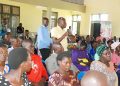
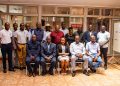
Namutebi said the review process is examining what has worked, the challenges encountered and the priorities that should guide implementation through 2031. She said the meeting brought together representatives from government ministries, departments and agencies, civil society organisations and development partners.
Among the major achievements registered under the current action plan is the official recognition of albinism as a disability in Uganda. She explained that before this recognition, persons with albinism were classified under the “others” category, limiting targeted government interventions.
She said the recognition now ensures that persons with albinism are included in all government disability programmes and policies.
Namutebi also praised the Uganda National Examinations Board (UNEB) for introducing accommodations for learners with albinism, including additional examination time and large-print examination papers with font sizes of 16 or 20 to support candidates with low vision.
Another milestone, she said, was the reclassification of sunscreen from a cosmetic product to a medicine, although it is yet to be included on Uganda’s National Essential Medicines List.
She revealed that discussions with the Ministry of Health are now focusing on including sunscreen on the national Assistive Technology Priority List after the latest Essential Medicines List was updated in 2025 without incorporating the product. If approved, sunscreen and other protective products would be supplied through government health facilities, potentially reaching Health Centre IV level.
Despite these gains, Namutebi said skin cancer remains the leading cause of death among persons with albinism, accounting for nearly 80 percent of deaths, even though the disease is largely preventable through proper protection from sunlight.
She called for nationwide awareness campaigns to educate both persons with albinism and the wider public about skin cancer prevention and the importance of using sunscreen and protective clothing.
Namutebi also highlighted persistent stigma and discrimination that continue to affect access to education, healthcare and other social services.
She said many children with albinism drop out of school because of bullying, name-calling and inadequate understanding among teachers about their special learning needs. According to her, some children with albinism are subjected to physical abuse by classmates who mistakenly believe they have unusual characteristics, contributing to low school retention rates.
She further raised concerns over discrimination in health facilities, where some medical workers still question whether persons with albinism require different medication dosages or have contagious conditions.
She stressed that people with albinism are biologically the same as everyone else except for the lack of skin pigmentation and appealed to health workers to provide equal treatment.
Namutebi also warned that myths linking persons with albinism to wealth and ritual sacrifice remain widespread, particularly during election periods when the risk of attacks increases.
She reminded law enforcement agencies that the Anti-Human Sacrifice Act, 2021 criminalises the removal of body parts, hair or nails from persons with albinism and urged police officers to register and investigate such cases promptly before they escalate into more serious crimes.
Representing the Ministry of Health, Assistant Commissioner for Disability and Rehabilitation Dr. Mwanga Moses reaffirmed government’s commitment to ensuring equal access to healthcare for persons with albinism.
He explained that people with albinism lack melanin, the pigment that protects the skin from harmful ultraviolet radiation, making them highly vulnerable to skin diseases, skin cancer and vision problems.
Dr. Mwanga acknowledged that negative attitudes among some health workers remain a challenge, with some still asking inappropriate questions about treatment, pregnancy and disease transmission. He said the ministry will strengthen public awareness campaigns and sensitise healthcare workers to eliminate discrimination and improve the quality of care.
He also announced that the Ministry of Health has developed an Assistive Technology Priority List that includes sunscreen, protective creams and other essential products for persons with albinism. According to Dr. Mwanga, the framework has completed most approval stages and only awaits final endorsement by the ministry’s top management.
He said stakeholders, including representatives of persons with albinism, will be invited to participate in costing the proposed assistive products before procurement begins. Once approved, he said the products will be supplied through the National Medical Stores based on requests from health facilities serving persons with albinism, enabling beneficiaries to receive them free of charge.
The Ministry of Gender, Labour and Social Development also pointed to notable progress in promoting the rights of persons with albinism.
Principal Rehabilitation Officer at the Ministry, Ms. Agness Nampeera Bulega said recognising persons with albinism as a distinct disability category has enabled government to intentionally design and deliver services tailored to their specific needs.
She said the National Action Plan on Albinism, despite implementation delays caused by the COVID-19 pandemic, has significantly improved coordination among stakeholders and promoted inclusion across government programmes.
Bulega noted that persons with albinism have benefited from economic empowerment initiatives such as the National Special Grant for Persons with Disabilities. She revealed that 25 groups of persons with albinism received funding under the grant this year, either as standalone groups or through mixed disability groups.
She also said government has supported the unification of various organisations of persons with albinism to strengthen advocacy and service delivery.
In the education sector, Bulega said children with albinism are now recognised within Uganda’s inclusive education framework, ensuring that their specific educational needs are addressed.
She welcomed the Ministry of Health’s plans to provide sunscreen free of charge once it is formally incorporated into government medical supply systems, describing the move as another important step towards improving the health and wellbeing of persons with albinism in Uganda