



KAGADI, Uganda — Tension is mounting in Kagadi District as investors and farmers linked to Kagadi Sugar raise alarm over prolonged delays in the issuance of a sugar milling license, a setback they say is crippling livelihoods and threatening the region’s agricultural economy.
Representatives of Kagadi Sugar have voiced deep frustration, noting that despite fulfilling all regulatory requirements, the licensing authority has failed to respond within the stipulated timeframe. The process, which falls under the Uganda Sugar Board through the Ministry of Trade, Industry and Cooperatives, requires applicants to submit key documents including a business plan, land title, and an Environmental and Social Impact Assessment (ESIA).
According to the company, all conditions were met, including securing a letter of no objection and approvals from local authorities. However, months later, there has been no official communication from the licensing council, which was established in mid-2025.
“We are so frustrated and need urgent help and response to know how far the process has reached,” said a representative from Kagadi Sugar. “The council seems to be biased and views new mills as a threat, yet we have invested heavily—supporting farmers with tractors, security, and other resources.”
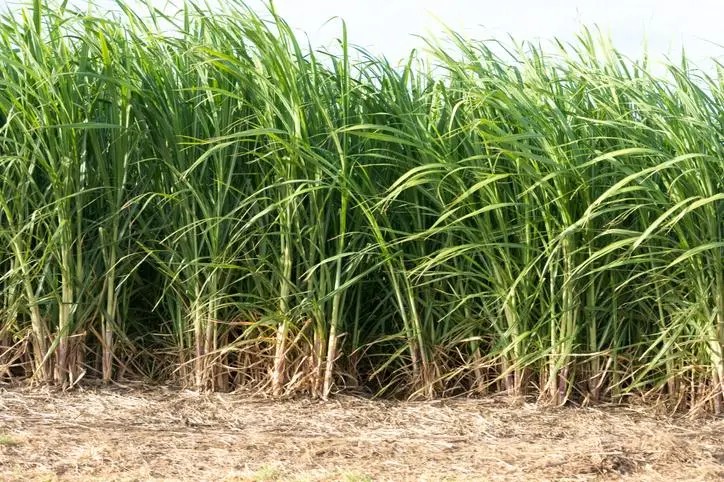
The delay is already taking a heavy toll. More than 4,000 acres of sugarcane—some of it over two years old—remain unharvested, with farmers lacking access to a market. As the crop deteriorates in the fields, financial losses continue to mount.
“The council is supposed to respond within 30 working days, but it’s been months without any feedback,” the representative added. “We appeal to Yoweri Museveni to intervene and ensure transparency and fairness in the process.”
Local leaders, including Resident District Commissioners (RDCs) and LC5 officials, have confirmed that Kagadi Sugar has complied with all necessary procedures and are now urging authorities to act without further delay.
“We urge the government and relevant ministries to intervene and ensure that the licensing process is fair, transparent, and timely,” said one local leader.
The silence from the council has fueled allegations of favoritism and conflict of interest, particularly as the body is reportedly chaired by an existing mill owner. Critics argue this could be influencing decisions and disadvantaging new entrants in the sugar industry.
“We invested in this project, and it’s not fair to be held hostage by a few individuals,” said a frustrated farmer. “We need the President to step in and help us.”
As pressure builds, stakeholders warn that continued inaction could undermine investor confidence and destabilize the region’s sugar sector. Calls are growing louder for swift government intervention to restore trust and ensure equal opportunity for all industry players.