


Eastern Africa countries have been urged to strengthen regional security cooperation as armed conflict, violent extremism, cyber threats and climate-related instability put growing pressure on individual states.
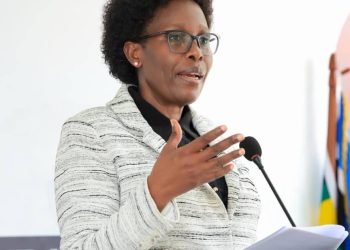
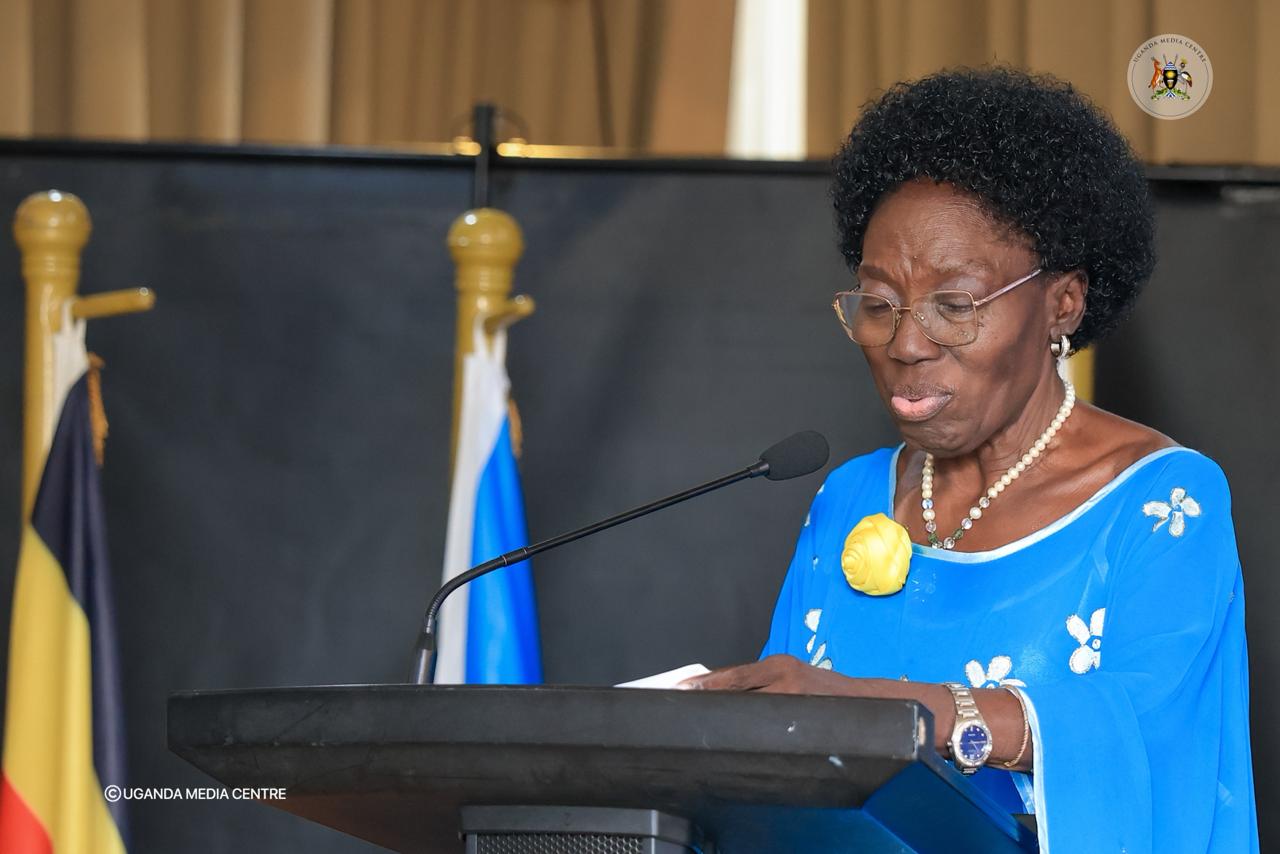
Uganda’s First Deputy Prime Minister and Minister for East African Community Affairs, Rebecca Kadaga, said countries in the region could no longer tackle emerging security challenges in isolation.
“Peace cannot be sustained in a country alone. It cannot be secured in isolation,” Kadaga told the 36th Ordinary Session of the Council of Ministers of Defence and Security of the Eastern Africa Standby Force (EASF) in Kampala.
She said the region was facing an increasingly complex security environment, marked by armed conflicts, population displacement, disruption to trade routes, rapid technological change and mounting humanitarian needs.
Kadaga called on governments to invest in regional peace and security mechanisms before crises escalated, describing the EASF as an important platform for collective action.
“Every investment we make in peace and security is an investment in Africa’s future,” she said.
From readiness to rapid response
Uganda’s Defence Minister and chair of the EASF Council of Ministers, Kiryowa Kiwanuka, said political commitments needed to be matched by practical action.
He said the force must improve its ability to respond quickly to violent extremism, maritime insecurity, cyber threats, humanitarian emergencies and instability linked to climate change.
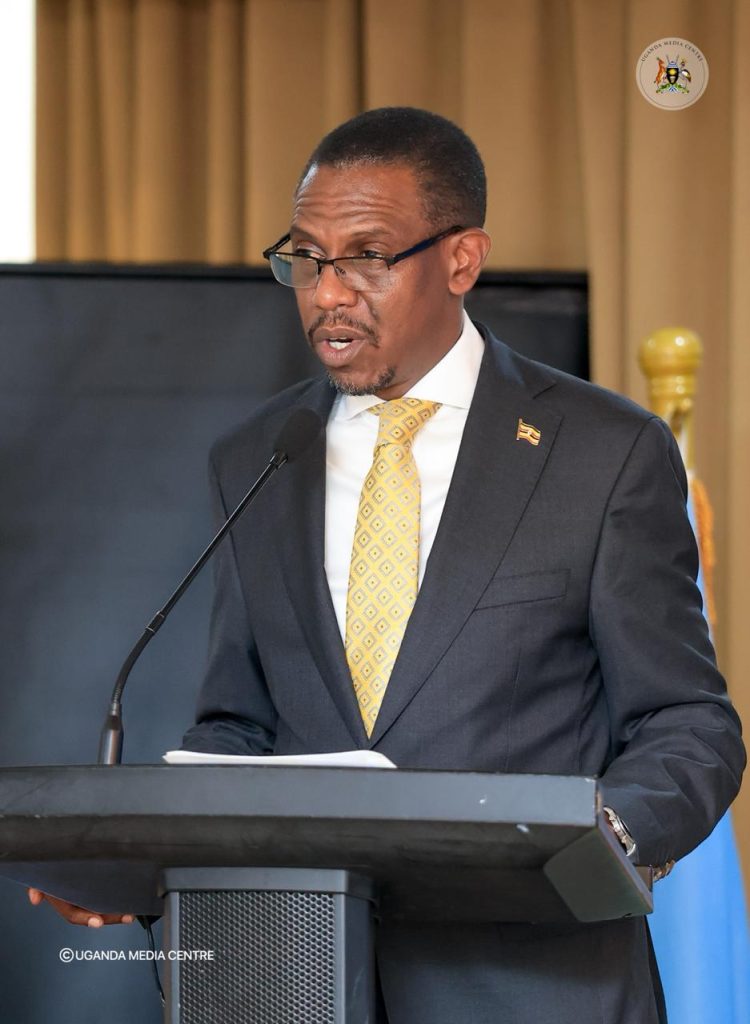
“Our challenge today is to move from readiness to rapid response,” Mr Kiwanuka said.
He called for stronger joint planning, intelligence and information sharing, greater interoperability between national forces and more predictable funding.
Kiwanuka also warned against countries developing similar regional capabilities independently, saying resources would be better used through greater specialisation and cooperation.
“Duplication weakens us. Specialisation strengthens us,” he said.
He urged member states to meet their financial and other commitments to the force, warning that operational readiness could not be sustained without adequate resources.
“Readiness without resources is rhetoric,” he said.
Calls for greater African ownership
EASF Director Brig Gen Ronald Rwivanga said the organisation’s future would depend heavily on continued political backing from its member states.
He said African countries were increasingly being called upon to take greater responsibility for financing and sustaining their own peace operations as international support declined.
“The question before us is no longer whether EASF can rely on external support,” Brig Gen Rwivanga said.
“The question is how quickly we can position ourselves to assume greater responsibility when called upon by the African Union and our member states.”
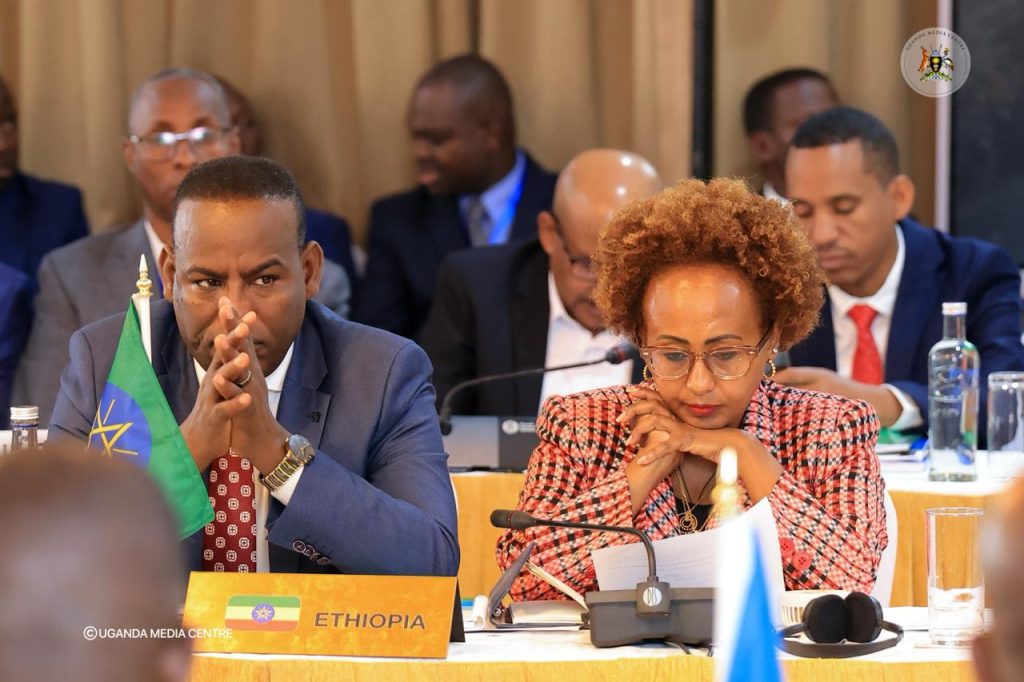
The EASF brings together Burundi, Comoros, Djibouti, Ethiopia, Kenya, Rwanda, Somalia and Sudan.
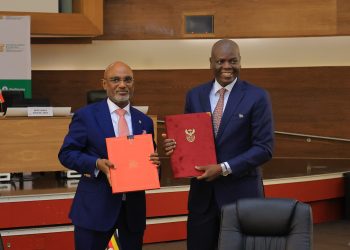
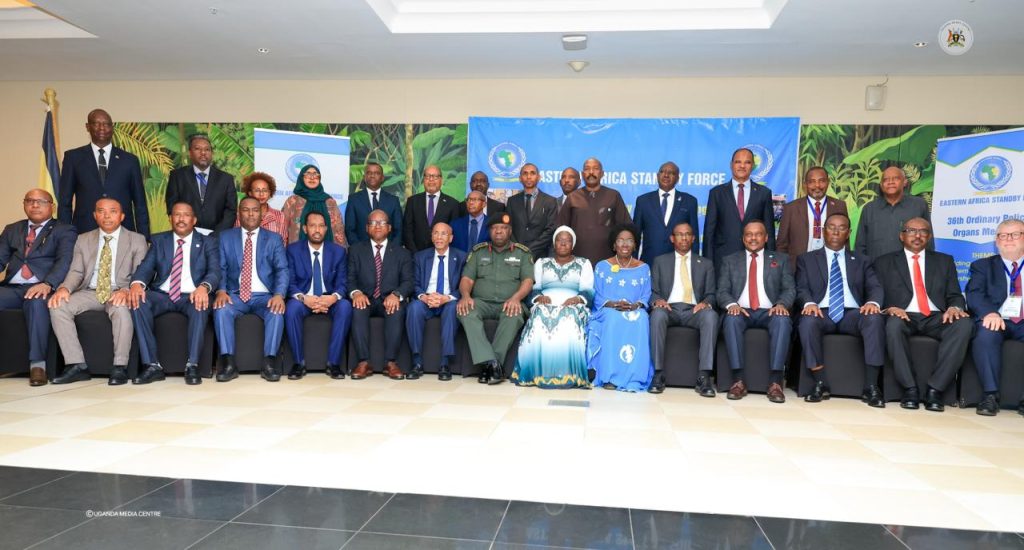
The Kampala meeting was attended by defence and security officials from across the region, including Djibouti’s Defence Minister Omar Abdi Said, Rwanda’s Defence Minister Juvenal Marizamunda and Somalia’s Deputy Defence Minister Idris Osman Haji Ali.
The discussions come as countries across Eastern Africa face overlapping security and humanitarian challenges, underscoring calls for a more coordinated regional response.