





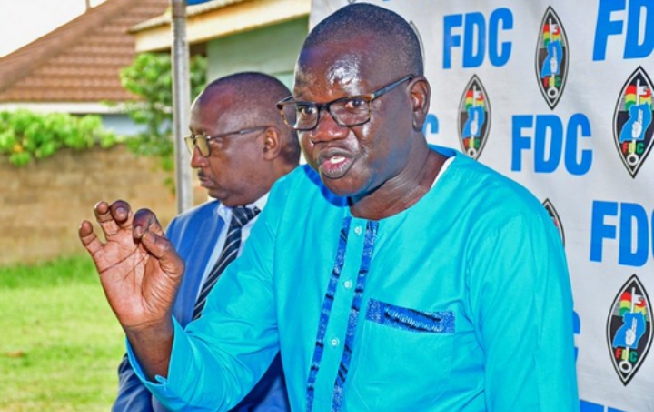
The Forum for Democratic Change (FDC) has used its Easter message to deliver a pointed reflection on Uganda’s political and economic state, blending spiritual themes of renewal with a call for resistance against what it describes as deepening oppression and inequality.
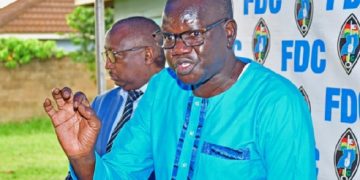
In a statement issued by party president Patrick Amuriat Oboi, the opposition group joined Christians in Uganda and around the world in commemorating the resurrection of Jesus Christ, framing it as a timeless symbol of hope, truth, and justice prevailing over suffering.
The message emphasized that the Easter story serves as a reminder that injustice is never permanent and that renewal remains possible even in the most difficult circumstances.
Drawing parallels between the religious observance and Uganda’s current realities, the FDC urged citizens to uphold values of justice, dignity, and unity.
The party called on Ugandans to extend compassion to those in need and to carry forward the discipline and sacrifice associated with the Lenten season into everyday life.
However, the message quickly shifted from spiritual reflection to a sobering critique of both global and domestic conditions.
It highlighted the prevalence of armed conflicts worldwide, from the war in Ukraine to tensions in the Middle East and ongoing civil wars in countries such as Sudan and Myanmar, lamenting what it described as a troubling persistence of violence in the modern era.
Closer to home, the FDC painted a stark picture of Uganda’s socio-economic landscape, arguing that a majority of citizens continue to struggle with poverty and the rising cost of living.
According to the party, many households face increasing difficulty in meeting basic needs such as food, shelter, and healthcare, while unemployment, particularly among young people, remains widespread.
The statement also raised concerns about fiscal priorities, claiming that significant portions of the national budget are directed toward debt servicing, leaving limited resources for essential public services.
It further alleged that mismanagement and inequitable distribution of resources have disproportionately affected vulnerable communities.
On governance, the FDC accused the government of shrinking democratic space and undermining political freedoms.
The party cited restrictions on free speech and alleged interference in opposition activities as evidence of an increasingly authoritarian environment.
It also criticized proposed legislation, including the controversial Protection of Sovereignty Bill 2026, arguing that such measures could further limit civic and political participation.
Despite these challenges, the opposition party struck a defiant tone, asserting that ultimate political power rests with the people.
It maintained that no amount of legal maneuvering or institutional pressure can override the collective will of citizens.
The message concluded with a call for national reflection and renewal, urging Ugandans to draw inspiration from the Easter season to work toward restoring hope, justice, and freedom in the country.