


KAMPALA, Uganda — Young people in Uganda continue to face major challenges in accessing accurate sexual and reproductive health information, including guidance on post-abortion care, according to Ms. Atuhairwe Joan Mugasa, Policy and Advocacy Officer at Reach A Hand Uganda (RAHU).
Speaking on the obstacles adolescents and young adults face, Ms. Atuhairwe noted that widespread misinformation, fear, and a restrictive legal environment leave many unsure where to seek reliable and safe services.
“Many young people simply do not know where to go for correct information. When it comes to sensitive issues like post-abortion care, misinformation can be dangerous and even life-threatening,” she said.
Misinformation and Legal Context
Uganda’s abortion laws are among the most restrictive in the region and are often misunderstood by both the public and service providers. While post-abortion care is legal, stigma and fear of legal consequences continue to prevent open discussion—especially in schools.
“We focus on what is legally permitted counselling, post-abortion care, family planning information, and referrals to appropriate health facilities,” Ms. Atuhairwe explained. “Discussions around post-abortion care are best held in community settings where young people can access safe, age-appropriate guidance, rather than in schools.”
Innovative Approaches to Youth Engagement
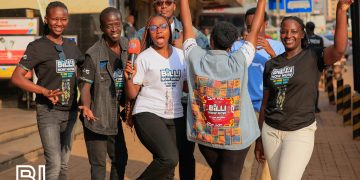
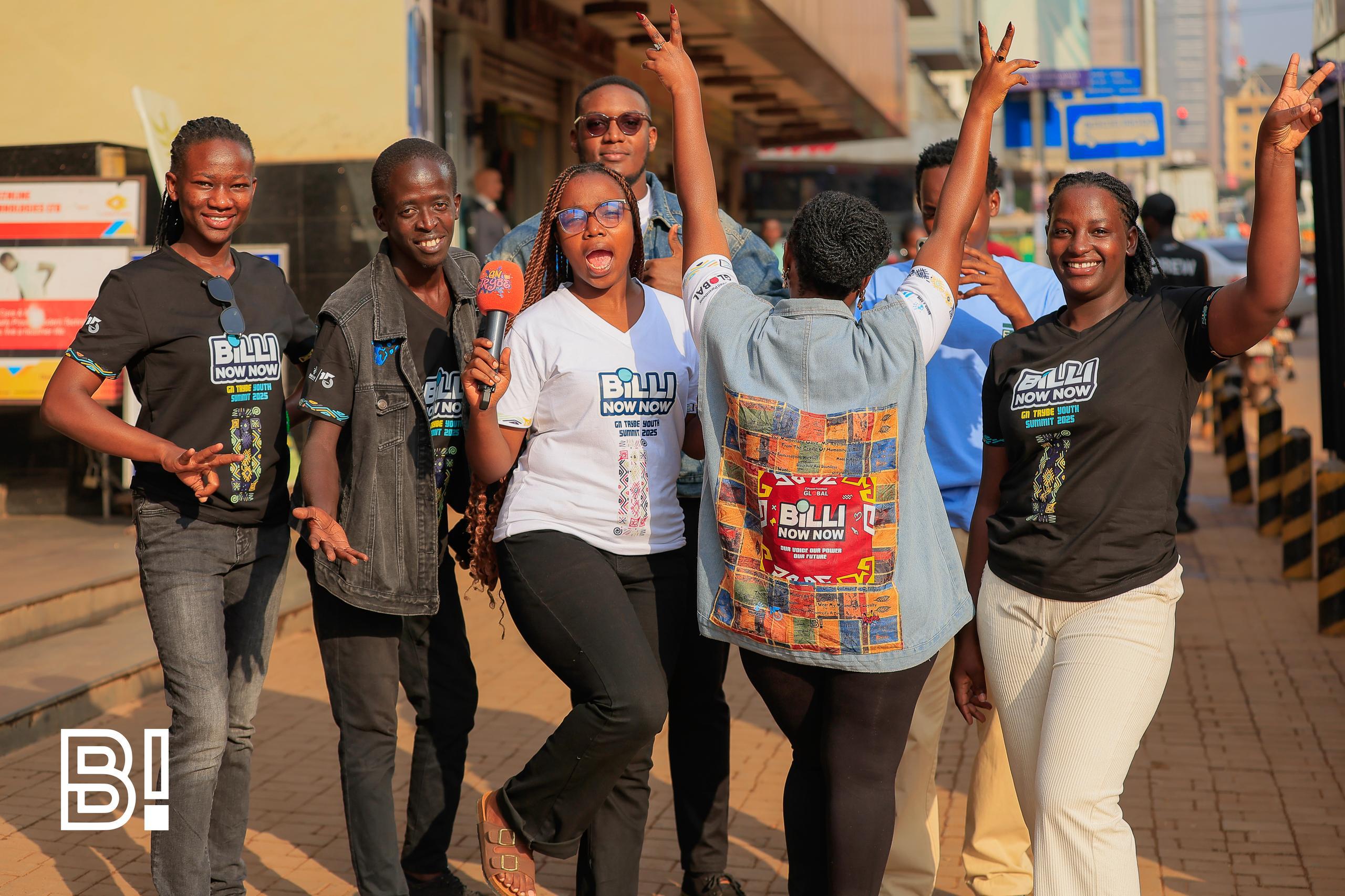
To bridge these gaps, RAHU has adopted creative, youth-friendly approaches that educate while reducing fear and stigma. Initiatives like Gen-Tribe conduct health education sessions in schools and communities in line with the National Sexuality Education Framework and Ministry of Health guidelines.
These sessions go beyond traditional lessons using music, games, film, and sports to make learning engaging. Topics range from menstruation and body changes to mental health and sexual and reproductive health rights.
“We want young people to feel relaxed and open,” Ms. Atuhairwe said. “They come for the fun, but leave with information that protects their health and well-being.”
Reaching Marginalized Communities
RAHU’s Kwiso mu Cinema Initiative brings communities together through film screenings, sparking discussions on sensitive topics like gender-based violence and unsafe abortion. Trained peer educators follow up with age-appropriate, accurate information and referrals to safe and legal services.
In urban slums, community outreach events serve as one-stop centres, offering HIV testing, cervical cancer screening, counselling, legal aid, and other services in partnership with other organizations.
Tackling Stigma Holistically
Stigma and cultural barriers remain major challenges. These attitudes are deeply rooted in cultural, religious, and family structures, and cannot be changed overnight.
RAHU takes a holistic approach, engaging young people along with parents, teachers, religious leaders, and community influencers. Through community dialogues, intergenerational discussions, sports events like the Brave Girls Soccer Tournament, and storytelling campaigns, the organization works to normalize conversations about seeking care.
“You cannot change a young person’s mindset in isolation,” Ms. Atuhairwe emphasized. “Supportive families, schools, and communities are all essential. Without them, young people continue to struggle.”
Linking Youth to Safe Services
Beyond information, RAHU focuses on linkage to care, ensuring young people know where and how to access services. The organization collaborates with government health facilities and supports health workers and teachers to better respond to young people’s needs.
“Our goal is simple,” Ms. Atuhairwe said. “To make sure young people have accurate information, safe spaces, and clear pathways to legal and lifesaving services without fear.”
As debates around abortion and reproductive health continue in Uganda, organizations like Reach A Hand Uganda remain at the forefront navigating legal restrictions while protecting the health and futures of young people.