


The applause had barely faded when a bigger question began to emerge in Uganda: what happens to the thousands of young people whose talent is never discovered?
For a group of Ugandan dancers known as the Ghetto Kids, the answer has taken them from Kampala to one of the biggest stages in global sport.
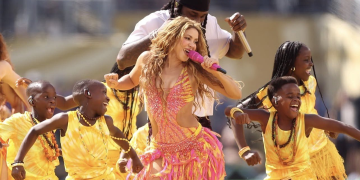
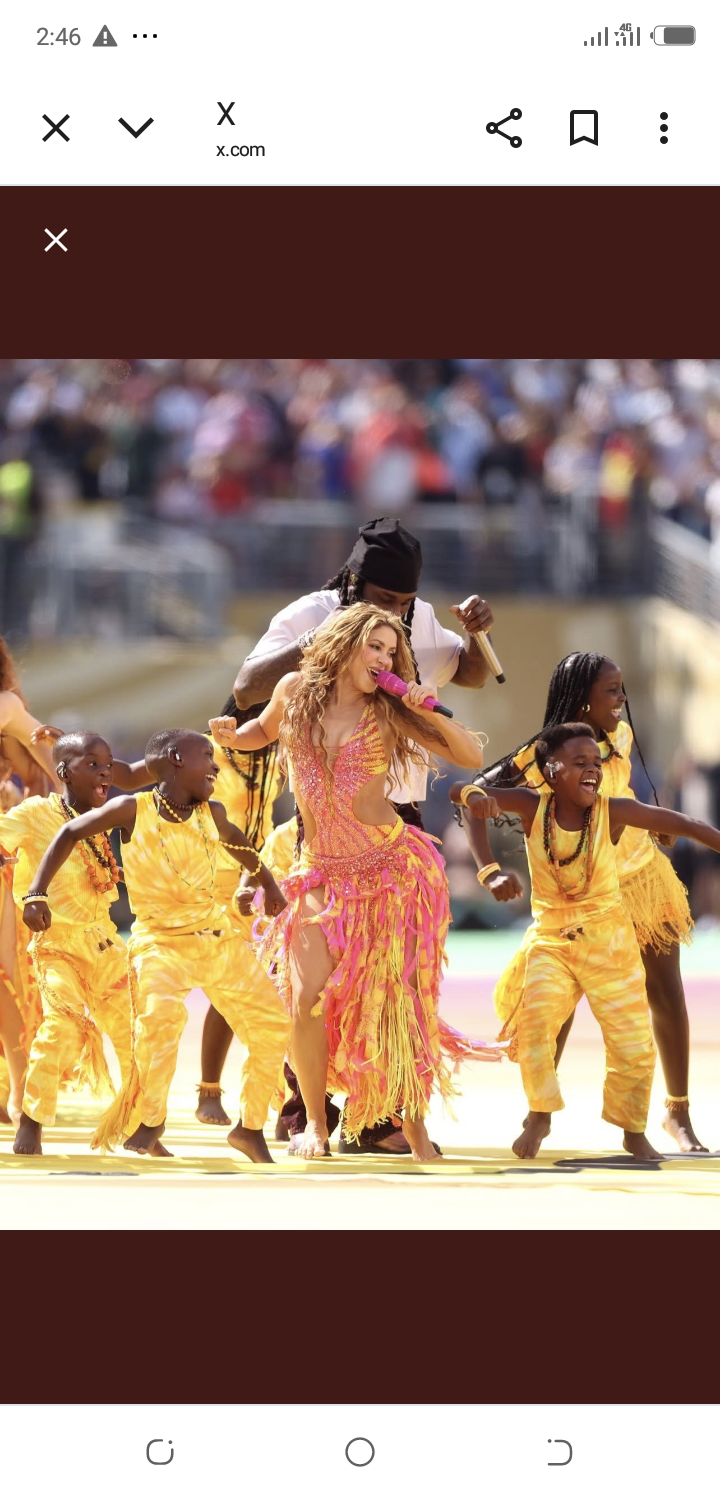
On July 19, the young performers appeared alongside international music stars Shakira and Burna Boy during the halftime show at the 2026 FIFA World Cup final at MetLife Stadium in New Jersey, performing Dai Dai, the tournament’s song.
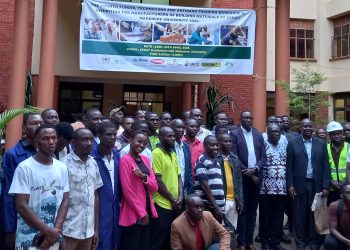
A month later, they were back home, where Uganda’s Parliament celebrated their achievement.
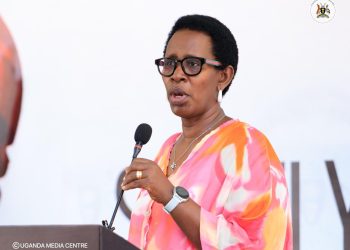
Speaker Jacob Markson Oboth-Oboth welcomed the dancers to Parliament on Thursday, August 20, describing their rise as more than an entertainment success.
“At their age, these young stars … have stood on platforms that many can only dream of,” he told MPs.
But beneath the celebration is a question with implications far beyond one dance troupe: Can Uganda turn exceptional stories of young talent into a pathway for millions of others?
From difficult beginnings to global audiences
Founded by Dauda Kavuma, the Ghetto Kids built their reputation through energetic dance performances that spread rapidly online.
Their story gained international attention after an appearance on Britain’s Got Talent, where they received a Golden Buzzer and eventually finished sixth.
Their World Cup performance took that journey to another level.
For several minutes, millions of viewers around the world saw young Ugandans sharing a stage with some of the biggest names in international entertainment.
For Uganda, it was an unusually powerful form of global exposure.
Unlike a government campaign or tourism advertisement, the dancers did not need to explain their country.
Their performance put Uganda’s name, culture and young people directly into a global conversation.
Their success has also challenged a familiar assumption about where international talent comes from.
The world’s creative industries are often associated with expensive academies, professional studios and well-funded institutions. The Ghetto Kids’ story began with considerably less.
That is what makes their journey both inspiring and revealing.
The talent that never gets seen
Uganda is one of the world’s youngest countries, with a rapidly growing population of young people entering school, work and adulthood.
Creating enough jobs and economic opportunities is already a major challenge. But employment is not the only issue.
There is also a vast pool of young people with potential in music, dance, film, fashion, sport, design and digital media.
The difficulty is finding them, and giving them the tools to turn talent into sustainable livelihoods.
A talented dancer may need somewhere to train. A young musician may need equipment. A filmmaker may need access to technology. An artist entering an international market may need legal advice, knowledge of copyright and help negotiating contracts.
Without those systems, talent can remain invisible.
That is why the Ghetto Kids’ success presents Uganda with a paradox.
It shows what is possible when opportunity meets talent. But it also raises the question of how many equally talented young people never receive that opportunity.
More than entertainment
The issue is increasingly relevant across Africa, where governments are looking to the creative economy as a source of jobs, business and international influence.
Music, film, fashion and sport can generate income while also shaping how countries are perceived abroad.
The Ghetto Kids have demonstrated the power of that influence.
A few minutes of dance at the World Cup can reach an audience that traditional diplomatic or advertising campaigns might struggle to find.
It can spark interest in Uganda, encourage cultural exchange and contribute to the country’s image as a source of creativity and youthful energy.
That makes the creative sector more than a social or cultural activity. It can also be an economic and diplomatic asset.
A personal message in Parliament
For Speaker Oboth-Oboth, the dancers’ journey also carried a personal meaning.
“I know where you start should never determine how far you can go,” he told them, recalling his own difficult childhood.
Other lawmakers echoed the message.
Ssenyonyi quoted former South African President Nelson Mandela, telling the young dancers that what appears impossible can eventually be achieved.
John Baptist Nambeshe, the MP for Manjiya County, said poverty or birthplace should not determine a person’s future.
The Parliament ceremony ended with applause and congratulations.
But the more difficult work begins after the celebration.
What comes after the applause?
Uganda already has policies focused on youth employment, skills development, entrepreneurship and human capital.
The question is whether those programmes can do more to support young people whose ambitions fall outside traditional career paths.
That could mean stronger arts education, community cultural centres, affordable training spaces and better digital access.
It could also mean greater protection for children working in entertainment and practical education for young performers on contracts, intellectual property and financial management.
Those safeguards become increasingly important when local talent suddenly enters a global industry.
The digital economy can turn a performance into a worldwide sensation almost overnight. But fame does not automatically guarantee that the young people behind it will benefit fairly from the commercial value they create.
A legacy bigger than one dance troupe
The Ghetto Kids have already secured their place in Uganda’s cultural story.
Their journey from difficult beginnings to the World Cup stage shows that world-class talent does not necessarily emerge from wealthy neighbourhoods or elite institutions.
But their success also leaves Uganda with a challenge.
The real measure of the moment may not be how loudly the country celebrates the dancers today. It may be whether the next generation finds it easier to be discovered, trained, protected and connected to the global market.
The Ghetto Kids had the talent. They also encountered the opportunity.
For millions of other young Ugandans, the question is whether that opportunity can become part of the system rather than an extraordinary exception.
“When our young people shine,” Speaker Oboth-Oboth said, “Uganda shines.”
The bigger ambition now is to create a country where many more young people get the chance to shine.