


Uganda is emerging as a model for epidemic preparedness and health system resilience, thanks to a bold strategy that places community health at the heart of disease detection and prevention.
From its village health teams to highly specialized hospitals, it has built a robust network capable of rapidly responding to disease outbreaks, including global threats like COVID-19.
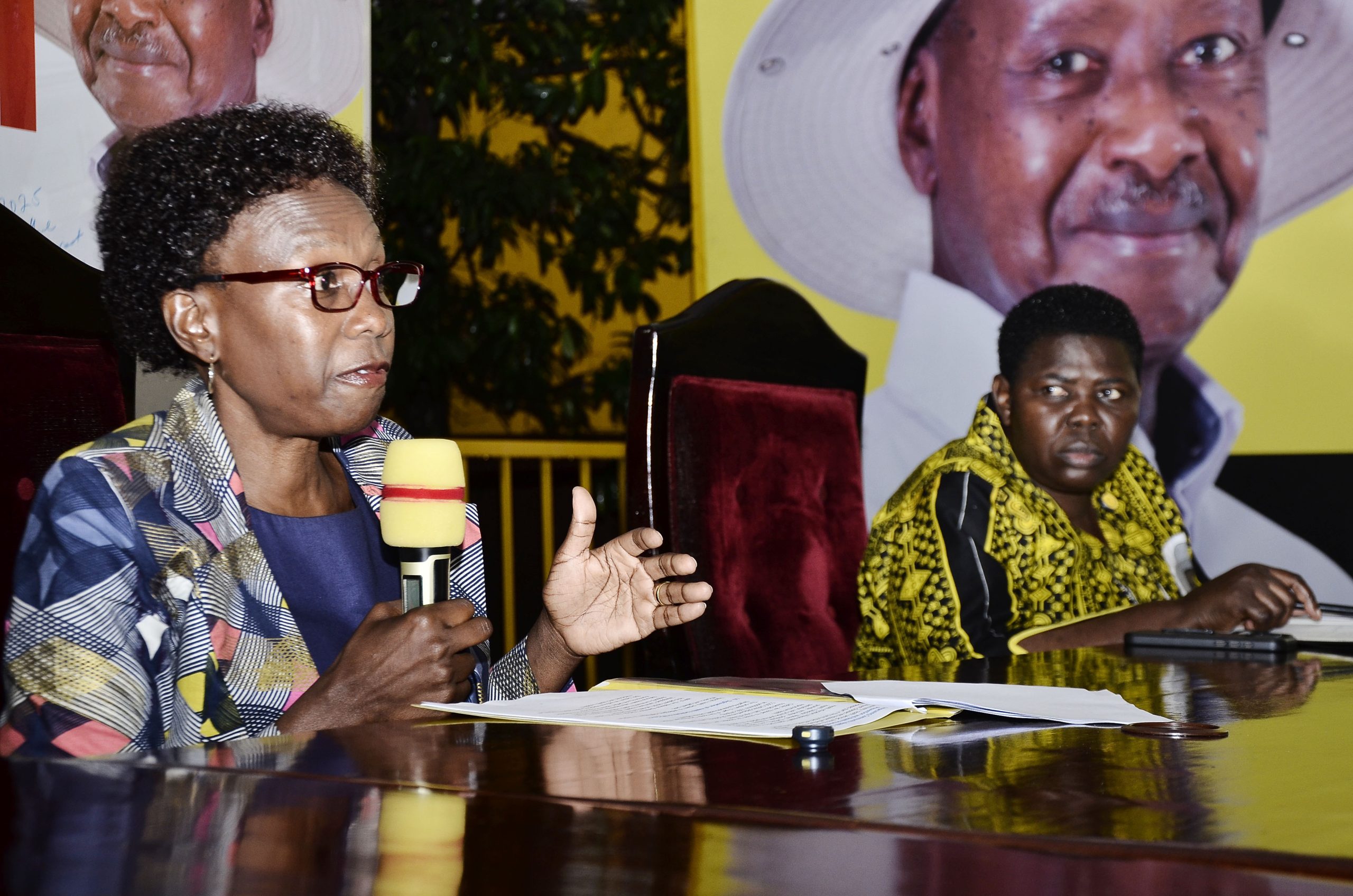
“When we talk about local health security, this is controlling epidemics and pandemics or disease outbreaks. And as many of you are aware, Uganda has built a very robust health security system over the years to prevent, detect and respond to disease outbreaks. Our system starts from the grassroots, from the communities,” said the Minister of Health, Ruth Aceng.
At the community level, the system relies on village health teams (VHTs) and community health extension workers trained in disease surveillance.
Equipped with digital tools such as iPads linked to the Community Health Information System, these frontline workers report unusual illnesses or deaths directly to district offices and national authorities through a cordinated system.
“We also have 17 regional emergency operation centers. These centers receive information from all the districts. So in this sense, what I’m saying is on a daily, we monitor all districts on a dashboard. So we know what is happening in any district at any one time,” she explained.
She revealed Uganda has trained over 400 epidemiologists, with a goal of 200 per 100,000 population, to ensure rapid response across the country’s Congo Basin and tropical rainforest regions, areas particularly prone to outbreaks.
The minister says, when a potential threat is detected, emergency teams are dispatched to investigate, collect samples, and either deploy mobile laboratories or transport specimens to reference laboratories.
Specialized isolation and treatment units have also been established in hospitals in Kampala, Entebbe, Mulago, and regional referral centers to ensure immediate containment and care.
“And again, I want to emphasize here that Uganda has the best system in the whole world for detecting and managing outbreaks. And this was exemplified during the COVID-19 outbreak, where Uganda received an award as one of the best performing top 10 countries in handling the COVID-19 pandemic,” she noted.
Community health systems as the first line of defense
Aceng stressed that Uganda operates a dual health system: clinical and community-based. “Diseases start in the communities and end in the communities. So our aim is to empower our population to be able to own the health services that we offer them, to participate, and also to spread out information to others on prevention, on promotion,” she further explained.
Village health teams play a critical role in preventive care, tackling communicable diseases such as HIV, malaria, and tuberculosis, as well as non-communicable conditions like hypertension, diabetes, and cancers. Each village typically has two health teams empowered to move door-to-door, educating households and ensuring early detection.
Health gains over the years
Uganda’s investment in health has yielded tangible results. Aceng noted that life expectancy has risen from 63.7 years in 2014 to 68.2 years in 2024, while maternal mortality has dropped 44% from 336 per 100,000 live births in 2016 to 189 in 2022.
Under-five mortality has declined 18.5%, and vaccination coverage has remained above 90% since 2019, while HIV treatment coverage surged from 60% to 97%, and TB treatment effectiveness rose from 40% in 2019 to 91.3% in 2024.
“These achievements are a result of focussing on public health preventive services, expansion and strengthening of health systems with many services now available,” the minister emphasized.
Uganda’s health system, she says extends beyond prevention.
She cited specialized referral hospitals, including Mulago Specialized Hospital, Uganda Cancer Institute, and Uganda Heart Institute, which now provide advanced medical care, reducing the need for Ugandans to seek treatment abroad.
Aceng said Mulago now offers organ transplants, neurological and cosmetic surgeries, and dialysis, while the Cancer Institute treats over 8,000 new patients annually, with regional centers under construction to expand access.
Maternity and neonatal care has also seen significant improvements, noting that Mulago Specialized Women and Neonatal Hospital has already achieved 11 successful IVF pregnancies since August 2024, while Entebbe Surgical Children’s Hospital has treated over 35,000 children, including patients from neighboring countries such as South Sudan, Ethiopia, Rwanda, and Tanzania.
Strengthening regional, community health infrastructure
The minister says Uganda has upgraded 430 Health Centre Threes over the past five years, expanding coverage to 71% of the country.
She notes that general hospitals have increased staffing and modernized facilities, while regional referral hospitals now feature CT and MRI scanners, 285 intensive care beds, oxygen plants producing over 5,000 cylinders daily, and fully equipped laboratories for rapid disease testing.
Ambulance coverage has risen from 2% in 2015-16 to 64% in 2024-25, supported by 450 ambulances, including ICU-equipped and marine units, and nine regional dispatch centers. Over 1,550 first responders and ambulance drivers have been trained, alongside a new cadre of emergency physicians.
Global Recognition
Aceng noted that Uganda’s laboratory network, with five centers of excellence and 500 point-of-care machines, has gained international recognition for its ability to detect and manage dangerous pathogens.
“Internationally, we recognise reference laboratories and that is why Uganda is recognised for its resilience in handling disease outbreaks and also ensuring that not only Uganda is safe, but the entire world is safe,” she adds.
By combining community engagement, the minister notes that technological innovation, and world-class specialized care, Uganda has created a health system that protects its citizens and contributes to global health security, offering a blueprint for other nations facing similar epidemiological challenges.