


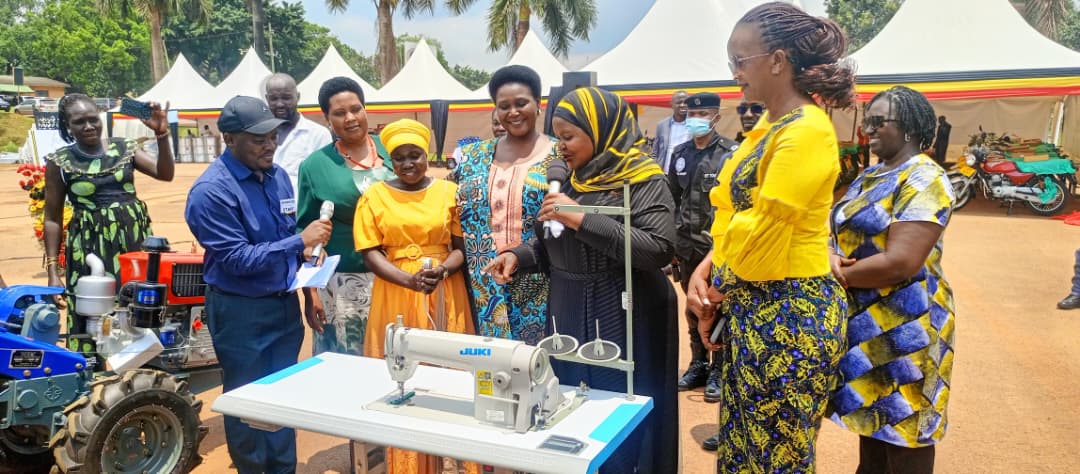
JUA-KALI PROGRAM : At least 106 Jua-Kali groups comprising 3,906 beneficiaries from 25 districts across Uganda have received business toolkits and equipment under the government’s Jua-Kali Programme, an initiative aimed at strengthening informal sector enterprises and expanding productive employment.
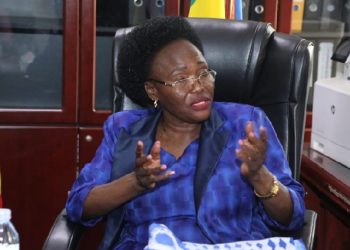
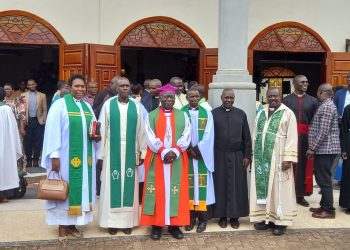
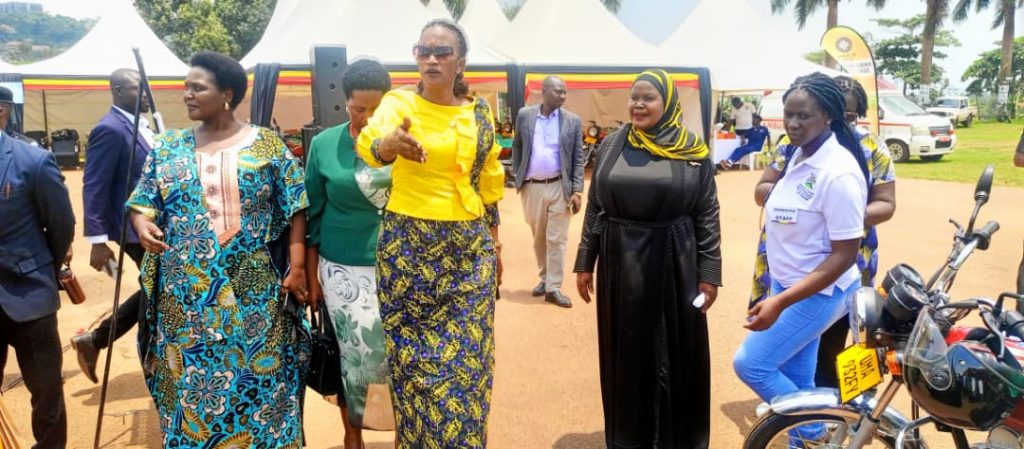
The equipment was officially handed over during a ceremony held at the grounds of Makerere University Business School in Nakawa, Kampala. The support was provided by the Government of Uganda through the Ministry of Gender, Labour and Social Development under the programme dubbed Empowering Informal Businesses into Formal Growth (Jua-Kali) Program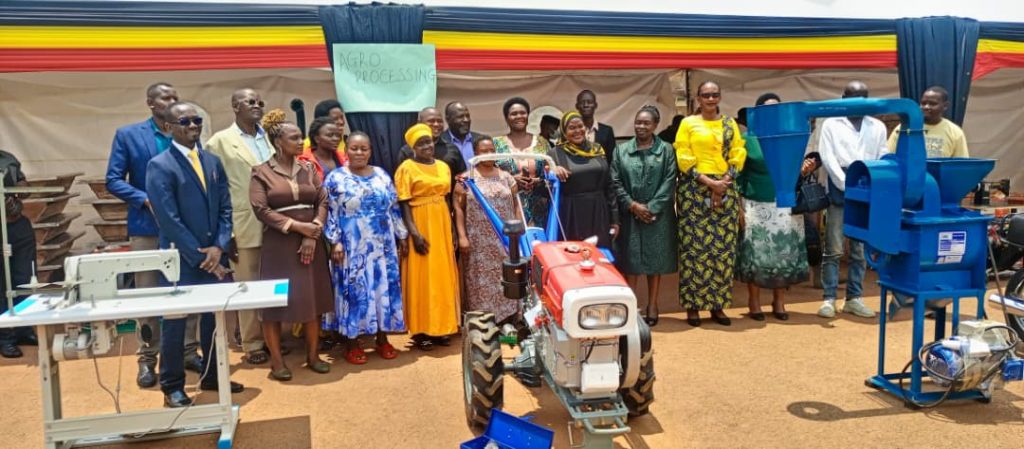 Officiating at the event, the Third Deputy Prime Minister, Rukia Nakadama Isanga, said the toolkits represent an opportunity for small-scale entrepreneurs to transform their businesses and improve their livelihoods.
“The equipment you receive today is more than metal and machinery, it is an opportunity. If put to proper use, it has the potential to transform your enterprises, increase your incomes, and improve the livelihoods of your families and communities,” Nakadama said.
She noted that Uganda’s development agenda remains focused on moving households from subsistence production into the money economy. According to government data, the share of households in the subsistence economy has declined from 39 percent in 2020 to 33.1 percent in 2024, while the size of the national economy has grown significantly over the past decade.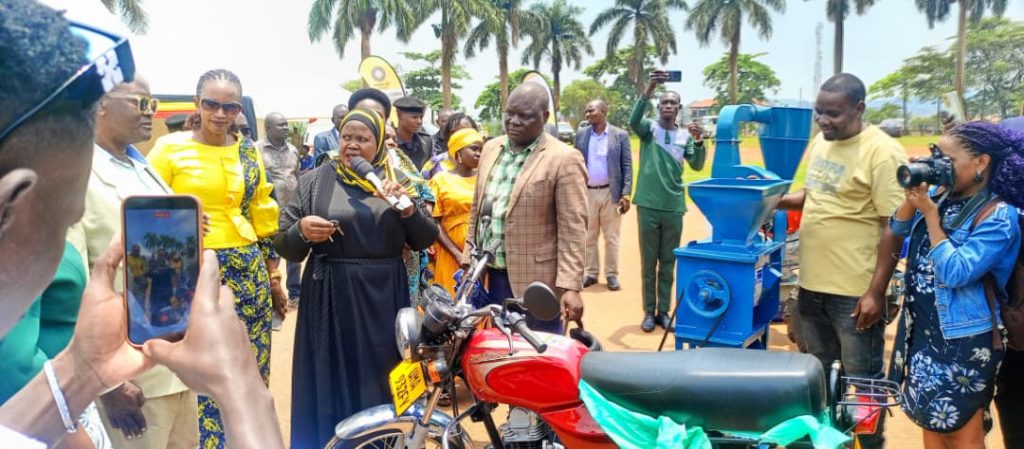 Nakadama added that government investments in programs such as Emyooga, Operation Wealth Creation, the Parish Development Model, and the Jua-Kali Programme are aimed at expanding employment opportunities and strengthening enterprise development.
“As members of the business community, this is an opportune moment to leverage government programs, integrate into formal value chains, and scale enterprises to meet both domestic and regional market demand,” she said.
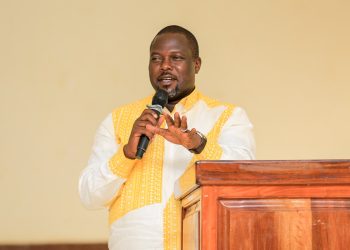
Speaking at the same ceremony, the State Minister for Labour, Employment and Industrial Relations, Esther Anyakun Davinia, said the program was introduced following a Cabinet directive in 2011 to address unemployment and strengthen informal businesses.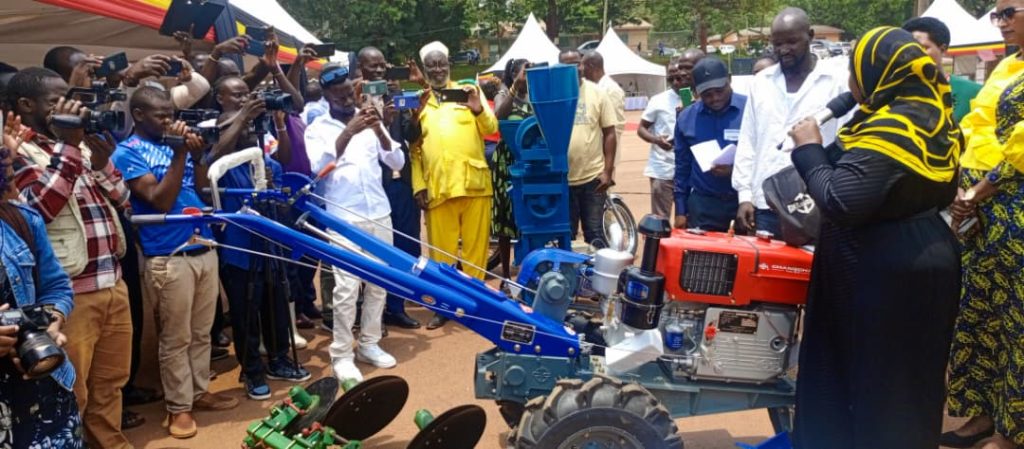 She noted that Uganda’s labour market remains largely informal, with more than 80 percent of workers engaged in informal employment. “This Jua-Kali Program seeks to address some of the challenges faced by informal businesses by providing them with the tools and equipment needed to grow and create employment,” Anyakun said.
She thanked Yoweri Kaguta Museveni, the President of Uganda, and Parliament for supporting funding toward the programme and called on leaders across the country to mobilize communities to participate in government initiatives aimed at wealth creation.
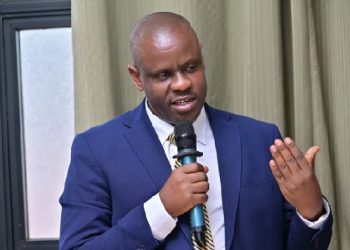
According to Grace Achoda, the Under Secretary at the Ministry who represented Permanent Secretary, Aggrey David Kibenge the program continues to expand its reach across the country and has already benefited thousands of entrepreneurs.
 “Since the program’s inception in the 2016/17 financial year, support has expanded to 855 groups benefiting 30,245 individuals across 98 districts, many of whose enterprises are demonstrating consistent growth,” Achoda said.
She added that the 11th cohort beneficiaries include 2,671 women and 1,235 men drawn from 25 districts. The toolkits are expected to strengthen businesses and increase productivity among the beneficiaries.
The program targets entrepreneurs operating in sectors such as cosmetology, food processing, art and design, leather works, textiles and tailoring, agro-processing, catering, and the transport sector.
Officials said the handover ceremony followed a due diligence exercise conducted in December 2025 to verify the existence and operations of beneficiary groups. In addition, leaders of the Jua-Kali groups were trained in equipment handling, maintenance, and basic business management skills ahead of receiving the tools.