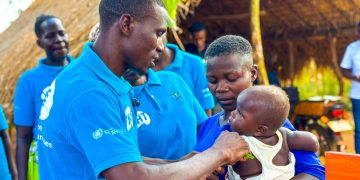



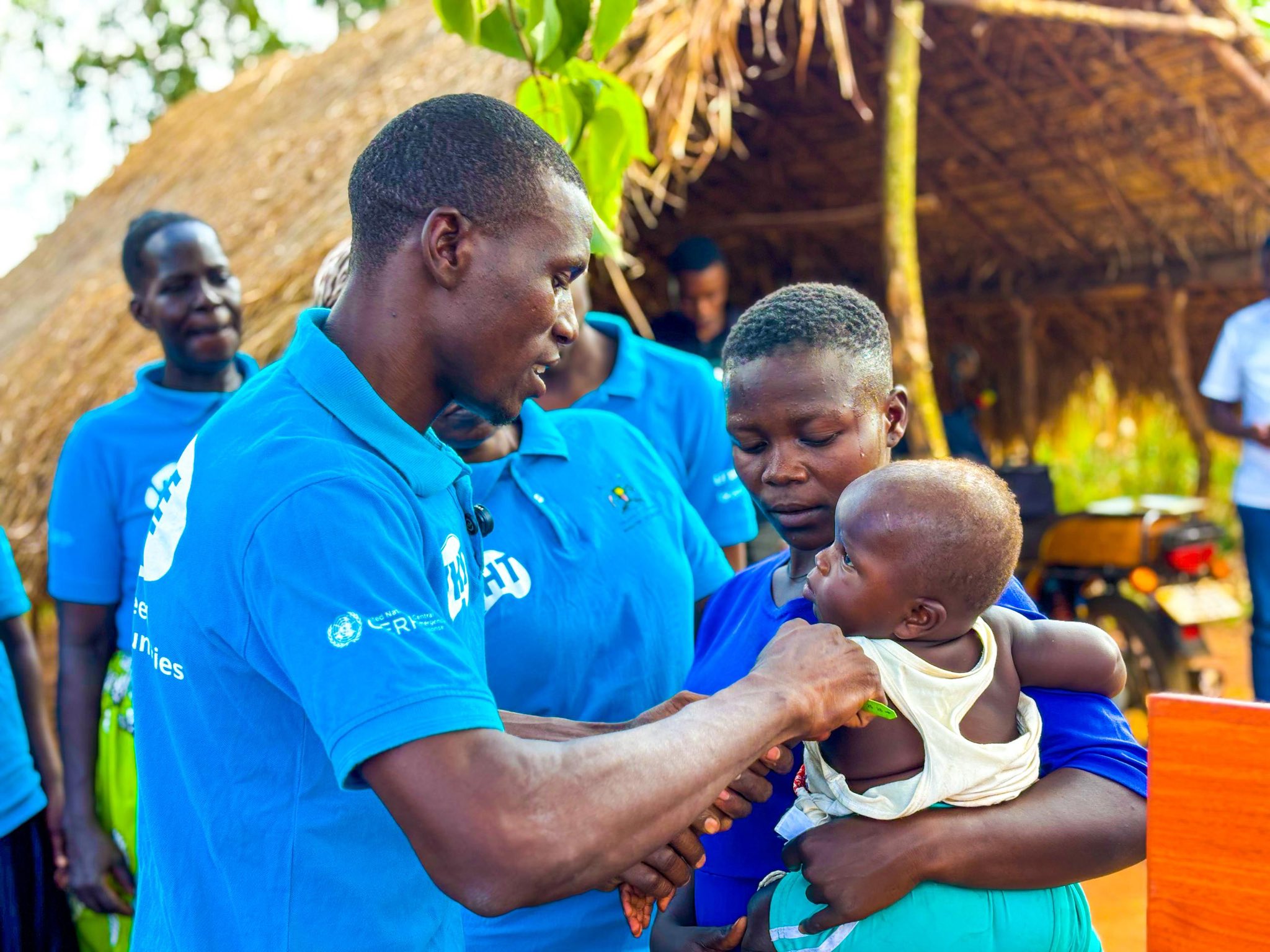
Ogengo Village, Diima Subcounty – Kiryandongo District: Uganda government and development partners are intensifying efforts to combat child malnutrition in Kiryandongo District through community screening, treatment, and nutrition awareness programs that are reaching thousands of children.
The initiative, implemented through the Integrated Community Case Management Plus (ICCM+) program, is supported by UNICEF with funding from partners including the governments of Japan, the United Kingdom, and the European Union humanitarian aid.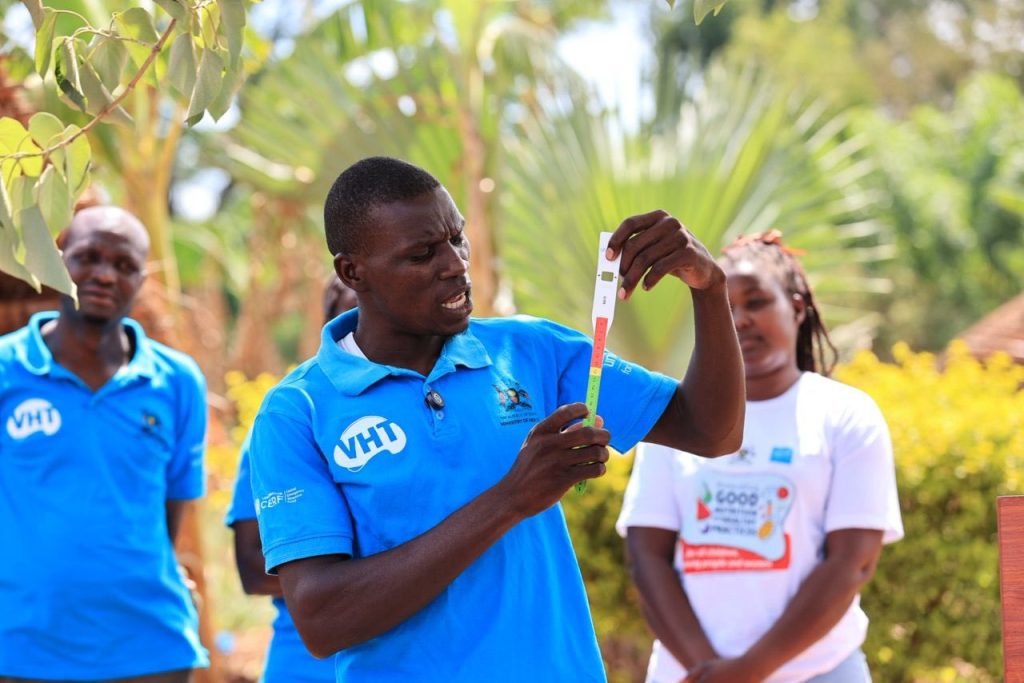 In Ogengo Village, Diima Subcounty, health workers and Village Health Teams (VHTs) are at the forefront of identifying and treating malnutrition among children under five years of age.
Balimugulira Micheal, the District Nutritionist for Kiryandongo, said malnutrition levels in the district had previously been high, with the Global Acute Malnutrition (GAM) rate at one time reaching 15 percent during community screenings.
“The challenge of malnutrition has been high,” Micheal explained. “But interventions supported by UNICEF and its partners have strengthened our response through both treatment and prevention strategies.”
He noted that health facilities have been equipped with therapeutic nutrition supplies used to treat severely malnourished children. These include Ready-to-Use Therapeutic Foods (RUTF) and specialized milk formulas such as F-75 and F-100 used for children receiving inpatient care.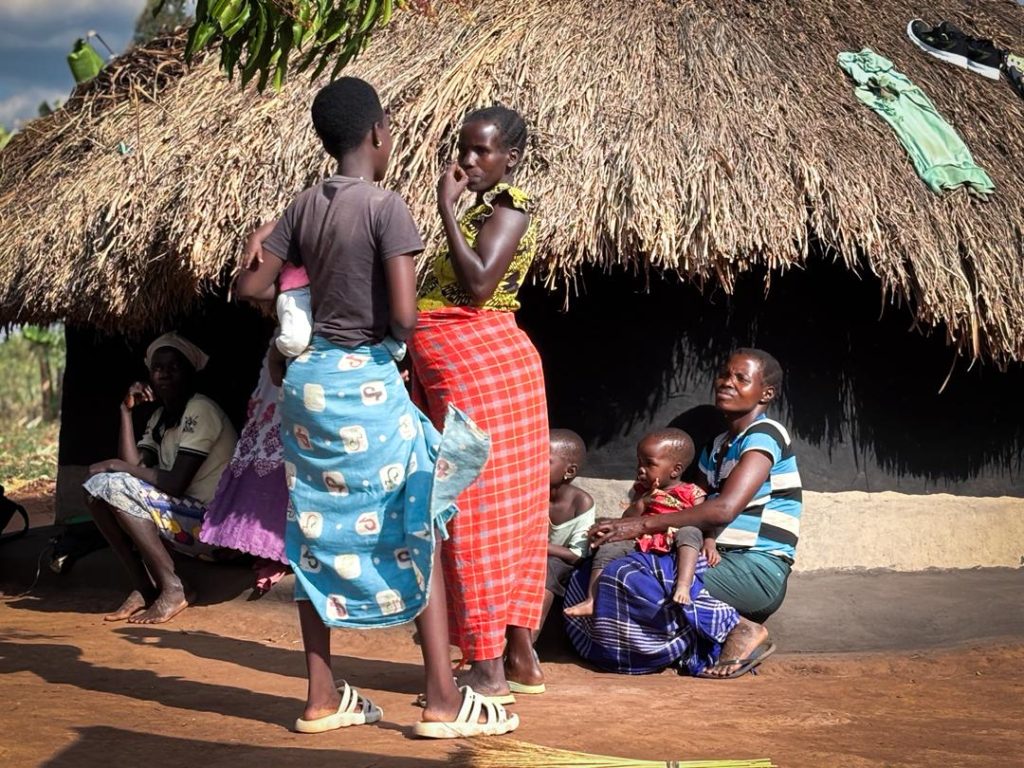 In addition, children are receiving Vitamin A supplements and deworming tablets to strengthen immunity and prevent infections that contribute to poor nutrition.
According to Micheal, malnutrition in the district is caused by a combination of factors including disease, poor hygiene, food insecurity, and limited knowledge about balanced diets.
“Sometimes families have food but lack information on proper feeding practices,” he said. “In many communities people rely mainly on maize or posho every day, which does not provide all the nutrients a child needs. Children need food from different food groups to grow well.”
The ICCM+ program was introduced in the district in October 2025, when health workers and VHTs underwent training on identifying and managing severe acute malnutrition at the community level.
Following the training, VHTs were equipped with tools including Mid-Upper Arm Circumference (MUAC) tapes used to measure children’s nutritional status, medicine boxes, registers, referral forms, and treatment supplies for common childhood illnesses such as diarrhea.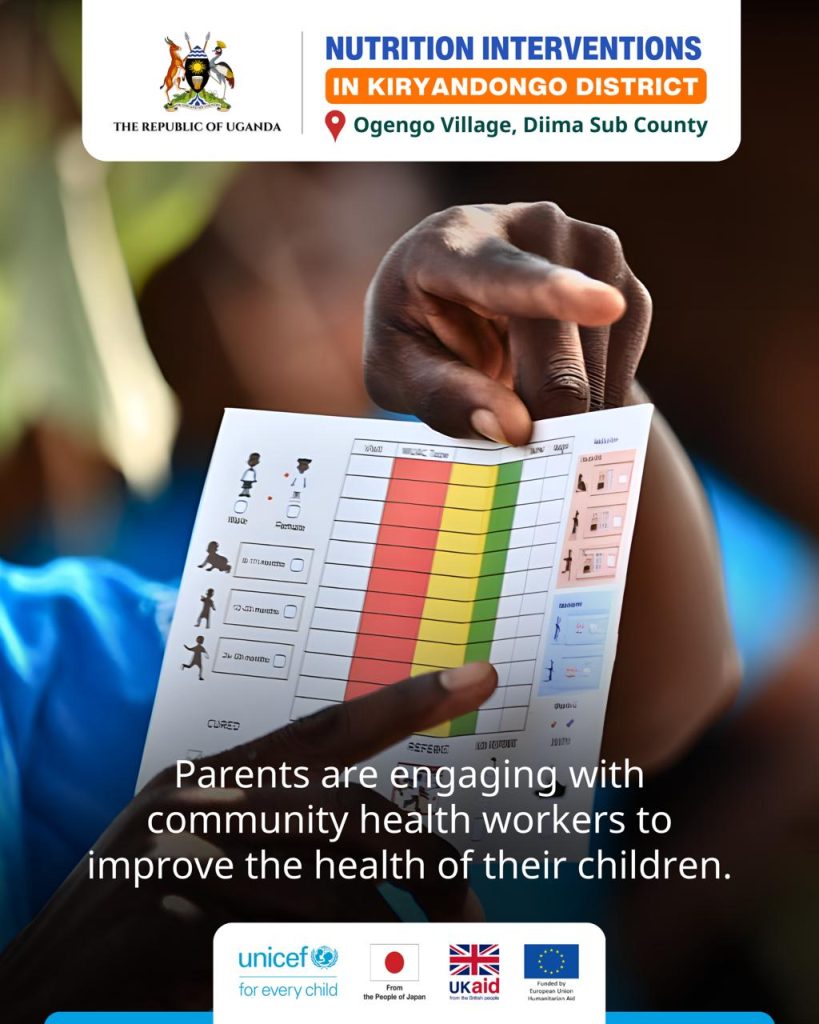 They were also provided with counselling materials, protective gear and identification items such as T-shirts, raincoats, caps and aprons to support their work in communities.
Cwinyaai Michael, a VHT in Ogengo A Village attached to Diima Health Centre III, said the training and equipment have significantly improved community health services.
“I appreciate the governments of Japan and the United Kingdom and UNICEF for supporting us,” he said. “Apart from providing medicines, the training gave us knowledge on how to carry out our work effectively.”
He explained that VHTs conduct household visits to screen children aged six months to five years for malnutrition using MUAC tapes. Children found with signs of malnutrition are given therapeutic foods and closely monitored, while severe cases are referred to health facilities.
According to Cwinyaai, community sensitization and regular outreach clinics have helped reduce malnutrition cases in the village.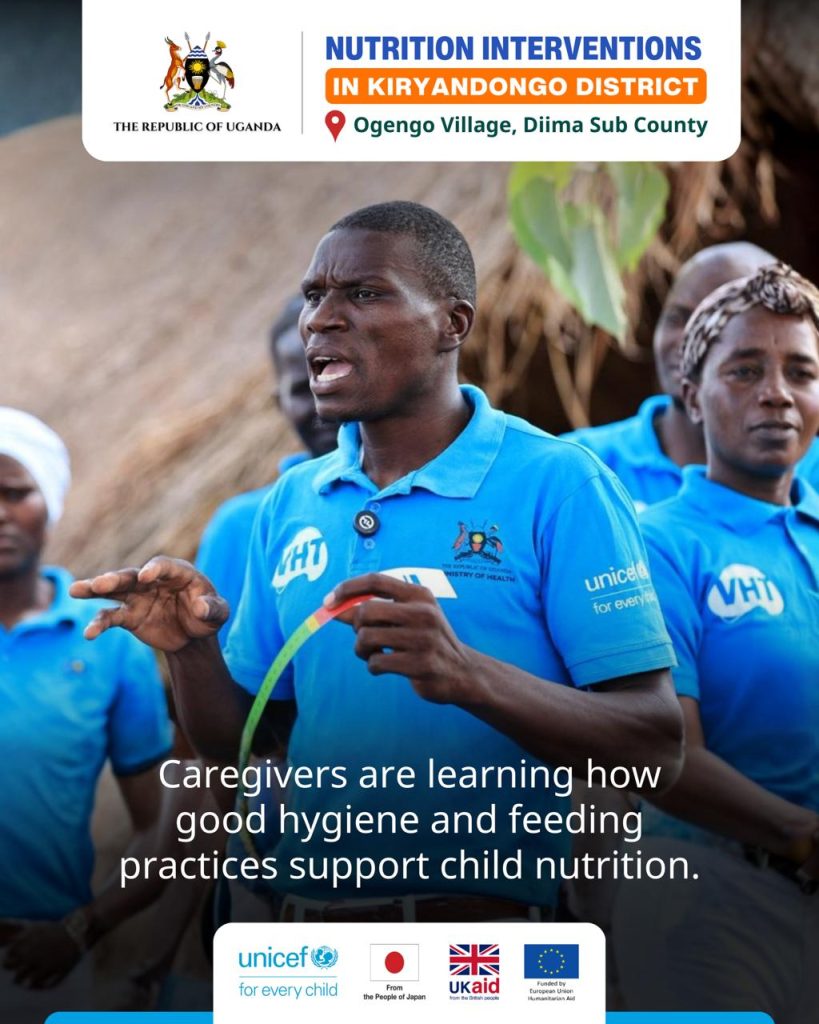 “Since November last year, I have only identified two children with malnutrition in my area,” he said. “One has already recovered after treatment while another child’s caregiver moved to West Nile after receiving initial care.”
The ICCM+ program enables VHTs to treat uncomplicated severe acute malnutrition within communities, reducing the need for families to travel long distances to health facilities.
Harriet Bitimwine, a Health Officer at UNICEF, said the program builds on existing community health services by equipping VHTs with additional skills and supplies to manage severe malnutrition cases.
“Village Health Teams are closest to the communities,” Bitimwine said. “When they identify a child with severe acute malnutrition and the child passes the appetite test, they can immediately start treatment using ready-to-use therapeutic foods and continue monitoring the child until recovery.”
She added that the program is helping reduce treatment costs for families and improving access to lifesaving services.
In Kiryandongo District alone, about 400 VHTs have been trained to provide these services, significantly expanding the reach of nutrition interventions.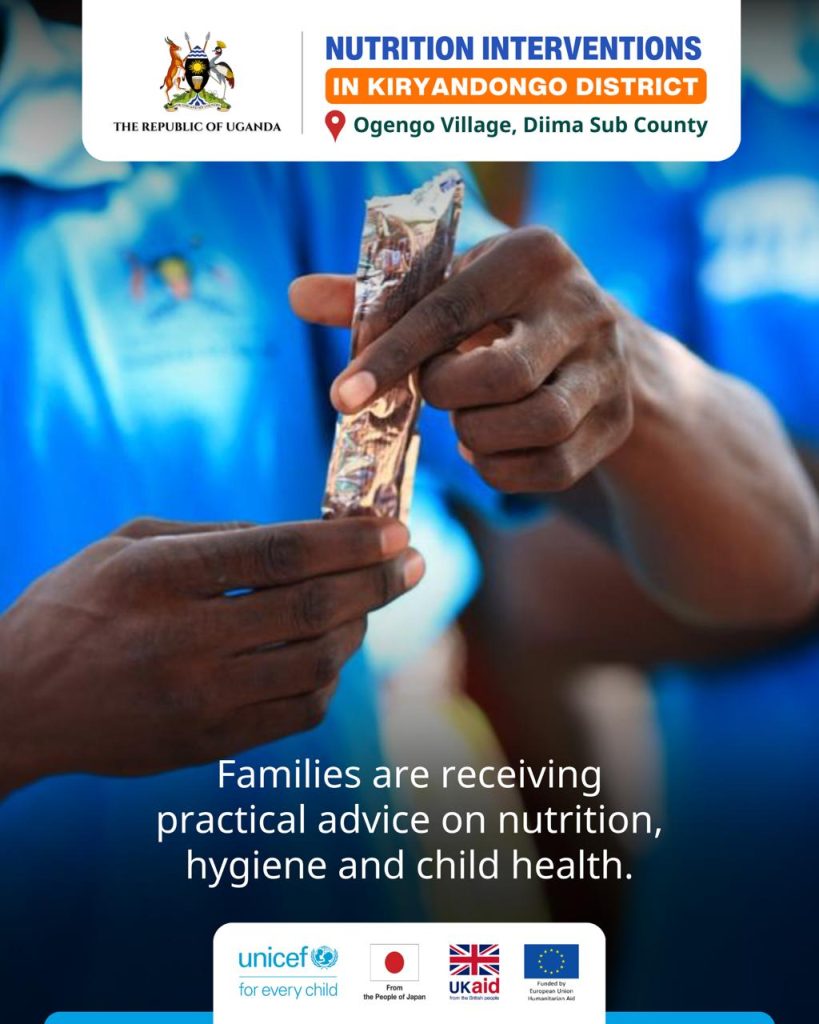 So far, 5,896 children under five years and 3,113 newly arrived children in the district have been screened for malnutrition with support from UNICEF and its partners.
Beyond treatment, the program also focuses on prevention through community nutrition education sessions. These sessions teach caregivers how to prepare balanced meals, maintain hygiene and monitor their children’s growth.
Jovia Kawembe, a 19-year-old mother in Kiryandongo, said the outreach programs have helped her better care for her child.
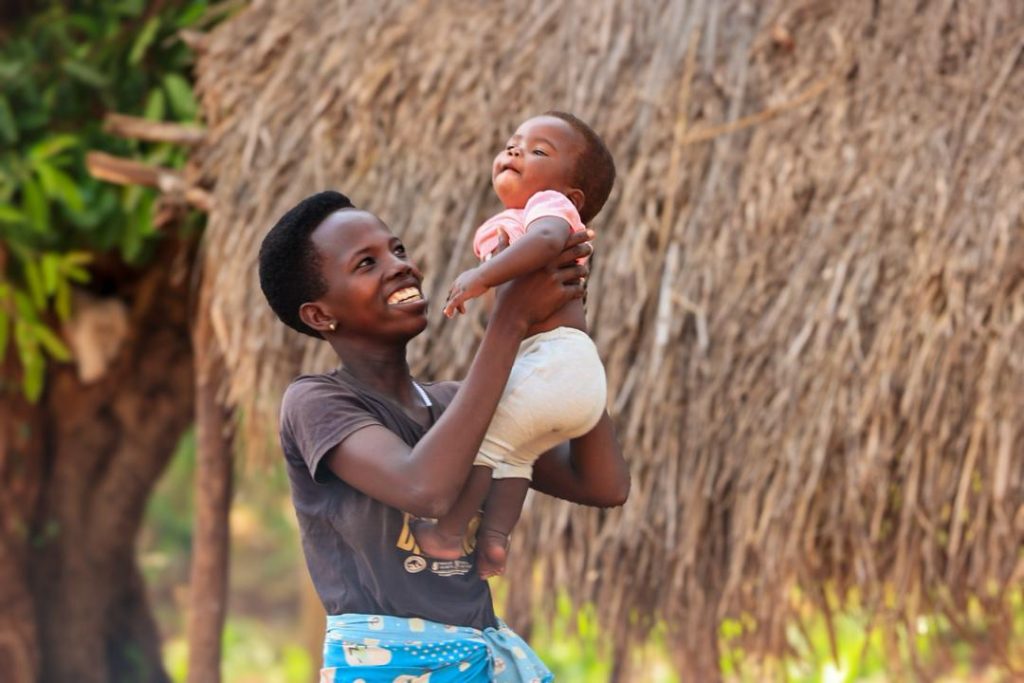 “As a young mother, I wanted to do the best for my child but I didn’t always know how,” she said. “Now I’ve learned how to feed my child well and check her nutrition so she can grow healthy.”
Health experts say malnutrition remains one of the leading threats to children under five, but it is preventable and treatable when detected early.
Through continued collaboration between the Government of Uganda, UNICEF, and international partners, community-based nutrition services are helping ensure that vulnerable children in Kiryandongo receive the care they need to grow healthy and thrive.