


KAMPALA, Uganda : Horizont 3000, in partnership with CARE International, has convened a policy dialogue with Uganda’s Ministry of East African Community Affairs to review progress and strengthen advocacy efforts aligned with the East African Community Treaty and the EAC Gender Policy 2018.
The dialogue forms part of activities marking International Women’s Day 2026 and focuses on advancing women’s rights, ending gender-based violence, and promoting women’s leadership and participation in decision-making across the region.
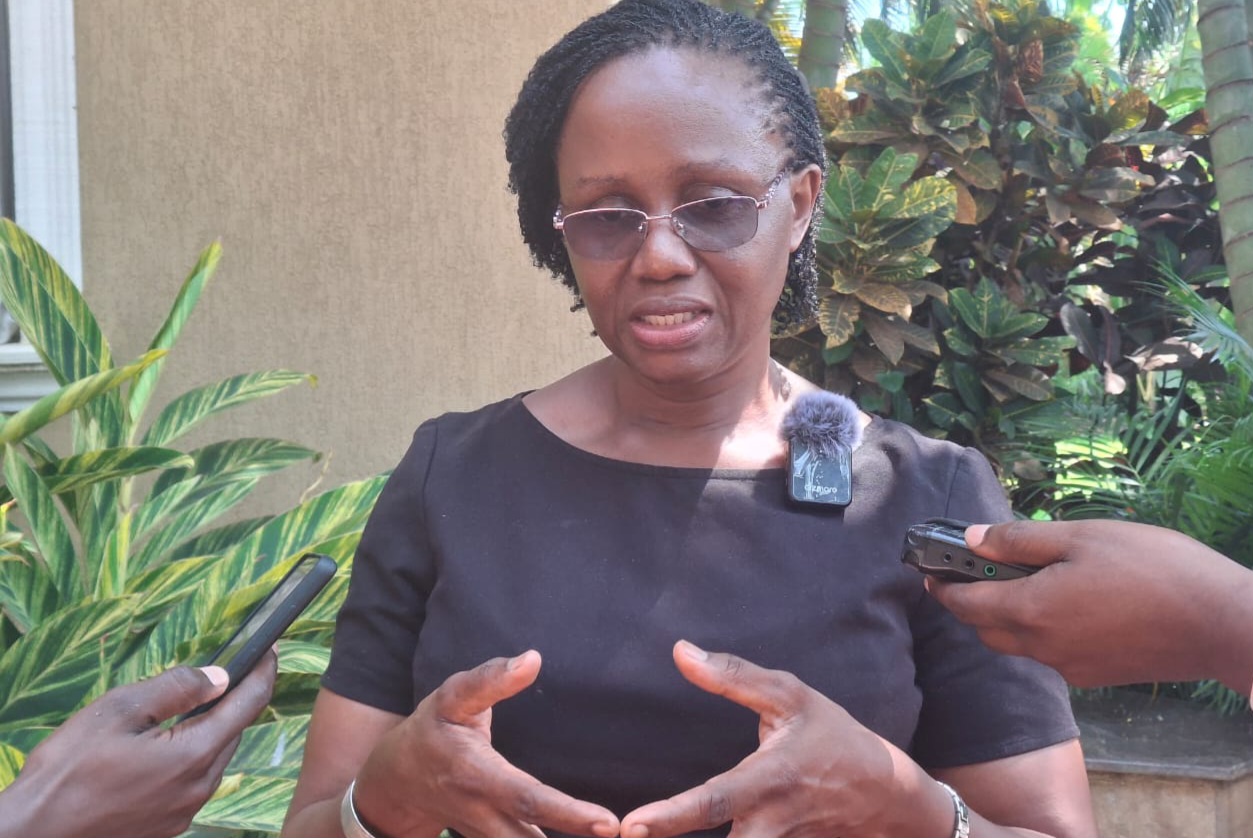
Speaking during the engagement, Lillian Mpabulungi Ssengooba, a Technical Adviser and Gender and Sexual Reproductive Health (SRH) Consultant working with Horizont 3000 and CARE, said the meeting provides an opportunity to reflect on commitments made in earlier discussions with the ministry.
She explained that previous engagements with the ministry’s Permanent Secretary focused on key issues affecting women and girls, including economic empowerment, livelihoods, health, gender-based violence, and women’s leadership.
“These priorities are clearly outlined in Articles 121 and 122 of the East African Community Treaty, which emphasize the importance of women’s participation and empowerment within the regional integration framework,” Mpabulungi said.
According to her, the dialogue also aims to raise awareness about the EAC Treaty and highlight opportunities for women and girls—especially those supported through CARE programmes—to benefit from cross-border trade and regional economic integration.
Mpabulungi noted that Uganda’s demographic realities make it even more urgent to strengthen women’s participation in economic and leadership spaces. Women constitute more than half of the country’s population, while more than 70 percent of Ugandans are below the age of 35.
“Many young people facing unemployment are women and girls, yet they often miss out on opportunities that could improve their livelihoods. It is therefore important to create stronger linkages that enable them to participate meaningfully,” she said.
Participants at the dialogue also reflected on progress made since a similar engagement held in July last year and explored new strategies to strengthen women’s representation at decision-making tables.
The discussions highlighted the need to promote women’s participation in leadership, secure land rights, expand economic opportunities, and intensify efforts to end gender-based violence.
Mpabulungi revealed that a follow-up mechanism will be established to track progress on key policy issues. This will include raising awareness about the East African Community Treaty, assessing achievements and gaps, strengthening accountability systems, and ensuring that technical teams within the ministry implement agreed actions.
The dialogue, held under the theme “Access to Justice for Women and Girls in Uganda,” has brought together women leaders from the West Nile, Karamoja, and Acholi sub-regions to share experiences and develop strategies for addressing challenges affecting women and girls in their communities.
Local government leaders, including the Speaker of Arua City and the Deputy Mayor of Gulu City, also participated in the meeting, reinforcing the importance of district and city leadership in implementing gender-responsive policies and budgets.
The initiative is also linked to Uganda’s implementation of the National Action Plan on United Nations Security Council Resolution 1325, which promotes women’s participation in peacebuilding, prevention of violence, and protection of women in conflict-affected areas.
The policy dialogue is implemented through a partnership involving Horizont 3000, CARE International, Caritas, and SOS Children’s Villages, with financial support from the Austrian Development Agency.
However, Mpabulungi noted that development partners are increasingly facing declining funding trends, making collaboration and sustained commitment essential to advancing women’s empowerment and gender equality in the region.