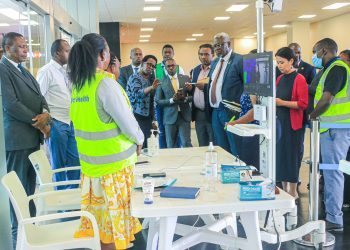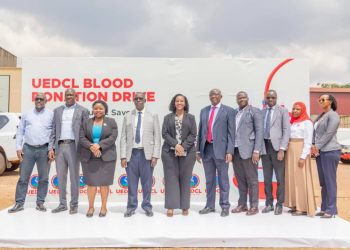



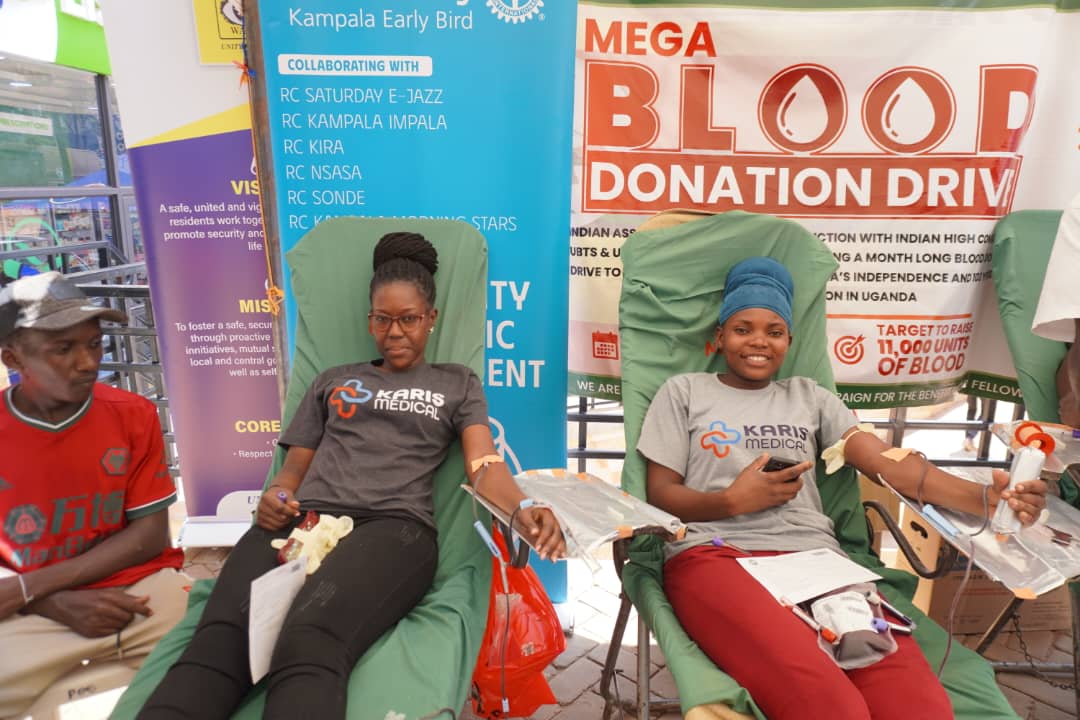
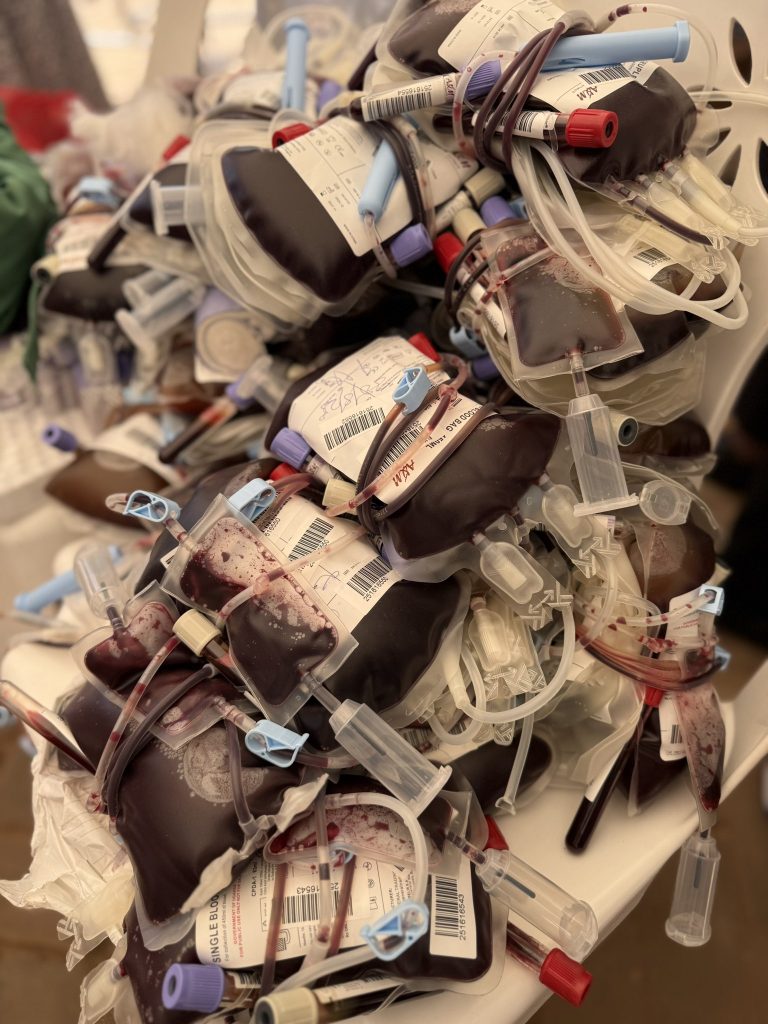
Kampala, Uganda – Karis Medical, in collaboration with Nakasero Blood Bank (Uganda Blood Transfusion Services) and the Catherine Phil Sickle Cell Support Initiative, held a major blood donation and wellness drive in Kyanja-Kampala.
Uganda currently faces a serious blood supply crisis. According to the Uganda Blood Transfusion Services, the country requires approximately 450,000 units of blood each year. Yet due to inconsistent donations, particularly during school holidays when many regular drives take place, blood remains in short supply.
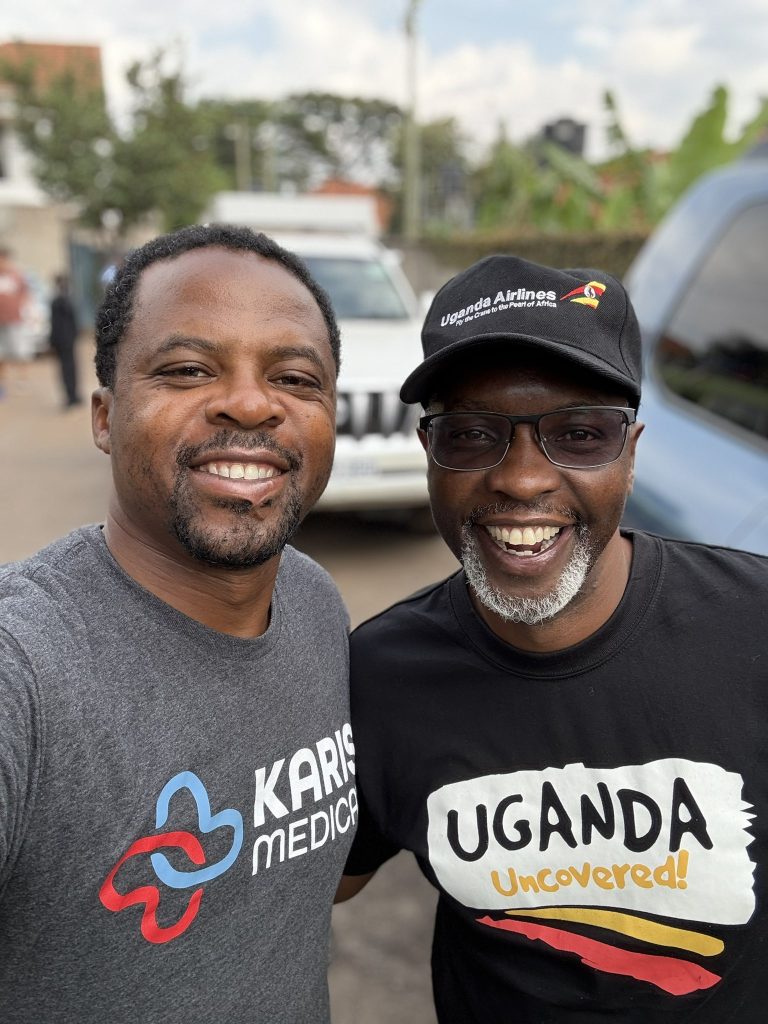
“Our goal today is to collect at least 500 units of blood,” said Andy Kristian Agaba, Founder of Karis Medical.
“A healthy community is a strong community. At Karis Medical, we go beyond care—we champion health, compassion, and action. This initiative reflects the values we stand for and the future we are building,” he added.
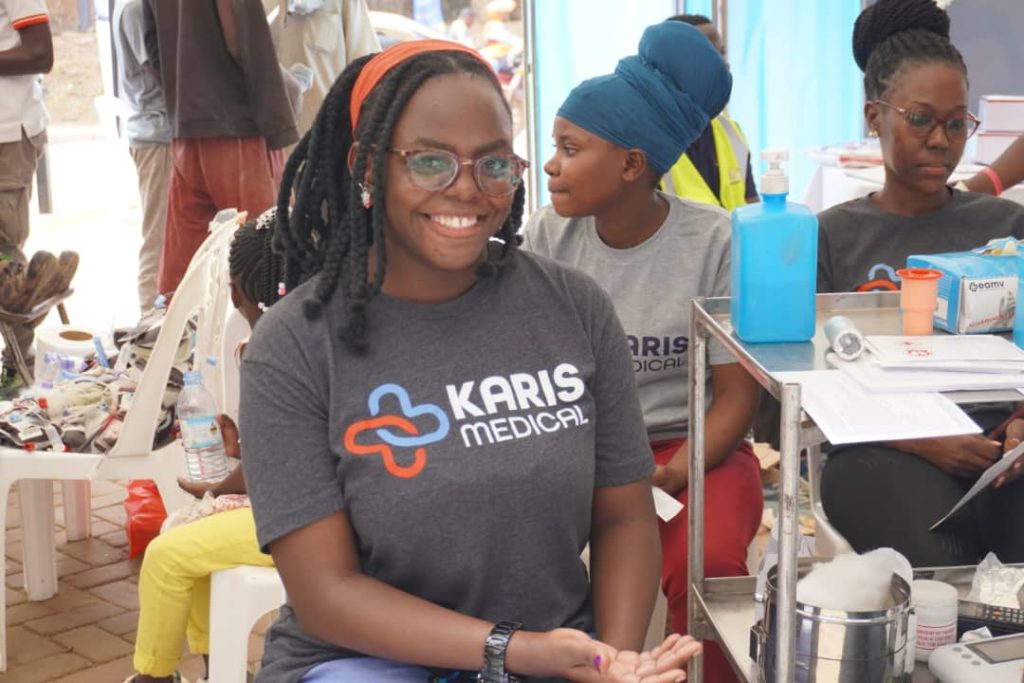
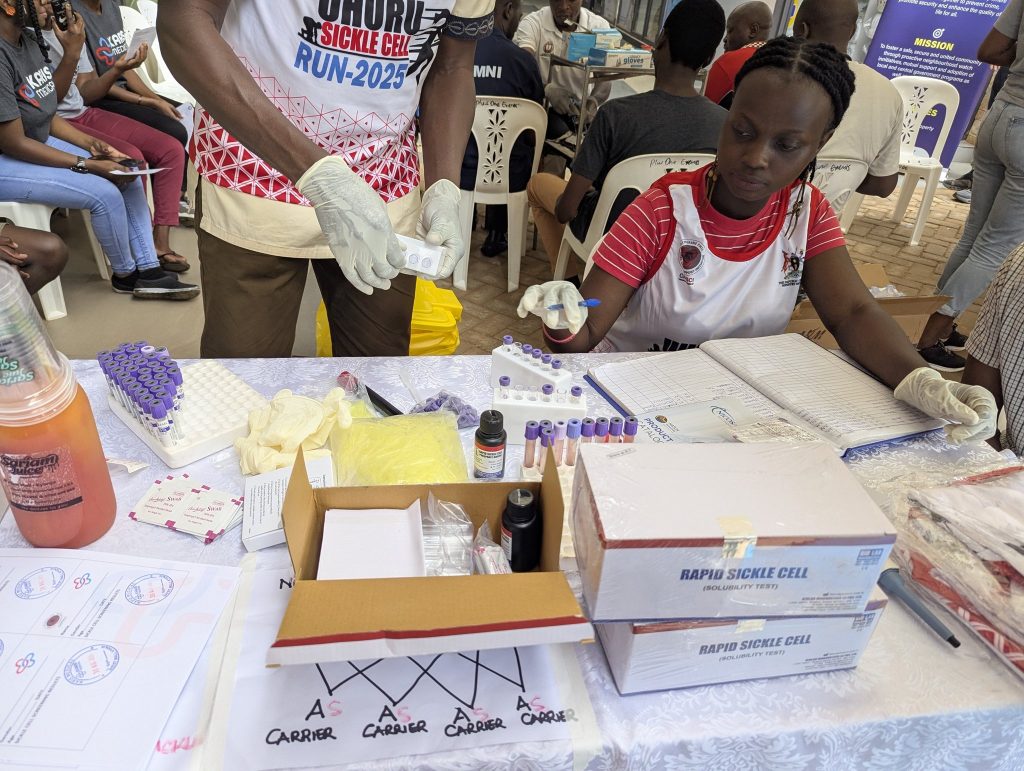
In addition to blood donation, participants also received free wellness checks, free sickle cell screening, and 20% discounts on prostate cancer screening, offered in partnership with supporting organizations. These complementary services were designed to promote preventive care, early detection, and holistic community wellness.
 Agaba emphasized the unifying power of blood donation:
“The beauty of blood is that it knows no race, tribe, or religion. In moments of crisis, all that matters is compatibility. You never know when you or your loved ones might need it.”
He also highlighted the importance of community involvement:
“We’ve been humbled by the incredible support from our sponsors especially Centenary Bank and Uganda Baati and from local groups like the Kyanja Community Watch and area Rotary clubs. Events like these remind us what’s possible when we come together.”
A Broader Vision for Healthcare
This blood drive also ties into Karis Medical’s larger vision. Currently under construction in Gayaza Lutete is Karis Hospital, a state-of-the-art 125-bed facility focused on women and children’s health. The hospital will also host a Christian Nursing University with capacity for 400 students, aiming to raise the next generation of healthcare professionals rooted in compassion, excellence, and integrity.
Voices from the Frontline
Arthur Ssekulya, Lab technician from Nakasero Blood Bank, praised Karis Medical’s efforts:
“Organizing blood drives is often a challenge. What Karis Medical has done today is phenomenal not just collecting blood but also offering testing and wellness services. This encourages more people to donate, and we’re extremely grateful.”
 Ssekulya also explained the seasonal blood shortage:
“During school holidays, our collections drop because we rely heavily on school communities. Drives like these are vital to bridging that gap.”
The Sickle Cell Perspective
Daniel Roy Odur, the executive director Catherine Phil Sickle Cell Support Initiative, emphasized the critical link between blood donations and care for sickle cell warriors:
“Blood is life especially for sickle cell patients, accident victims, and mothers during childbirth. Regular donation can mean the difference between life and death.”
Roy shared statistics:
- Each year, 25,000 children are born with sickle cell disease in Uganda.
- Tragically, 80% of these children die before their fifth birthday.
- Prevalence is highest in Northern Uganda, especially Alebtong District, with a sickle cell rate of 23.8%, compared to the national average of 17%.
“We call upon every Ugandan to know their sickle cell status and donate blood. It might one day save your child, your spouse, your friend—or even you,” Roy added.
The event was made possible through the generous support of partners including Centenary Bank, Uganda Baati, Superdeal Hardware, Lifemark Trading Company, Café Rue, Rotary Club Kampala Early Bird, Rotaract Club of Kyanja, and Rotaract Club of Kentim University.
Looking Ahead
Karis Medical hopes to make this blood donation drive an annual event, and is already in talks with other partners to expand it into a nationwide campaign.
“Kyanja may be a small community, but the impact we’re making today is national,” Agaba said. “This is not just about helping others, it’s about building a healthier future for all of us.”