


Lango sub-region: Lira Regional Referral Hospital has registered a 10% reduction in maternal deaths linked to complications of pregnancy and childbirth, a milestone that hospital leadership attributes to the deployment of a Type C advanced life support ambulance the only one of its kind in the Lango Sub-region.
Speaking during a courtesy visit by journalists covering the NRM presidential candidate, Yoweri Kaguta Museveni—who has been campaigning throughout the week in the Lango sub-region, Dr. Andrew Odur, Director of Lira Regional Referral Hospital, emphasized the transformative impact the new ambulance has had on emergency maternal care.

“In the past, we would receive pregnant mothers who urgently needed advanced care during transit, but our ambulances lacked critical support systems,” Dr. Odur explained. “Since the Type C ambulance was introduced, we’ve saved many lives. The maternal mortality rate has dropped by 10% in the last financial year alone.”
A Game-Changer for Emergency Response
Unlike the commonly used Type B ambulances, the Type C ambulance is equipped with advanced life support systems, including a ventilator, defibrillator, and real-time patient monitors. These allow for continuous support during patient transfers, especially for critically ill mothers and other emergencies.
“If someone stops breathing, the ventilator takes over. If the heart stops, we can resuscitate using the defibrillator. We can even administer antibiotics, fluids, and blood during transit,” Dr. Odur elaborated.
However, the hospital director noted that one such ambulance is insufficient for a region of over 2.65 million people across 10 districts. “We urgently need more Type C ambulances to ensure timely care across the Lango region,” he added.
 Strengthening Oxygen Supply Across the Region
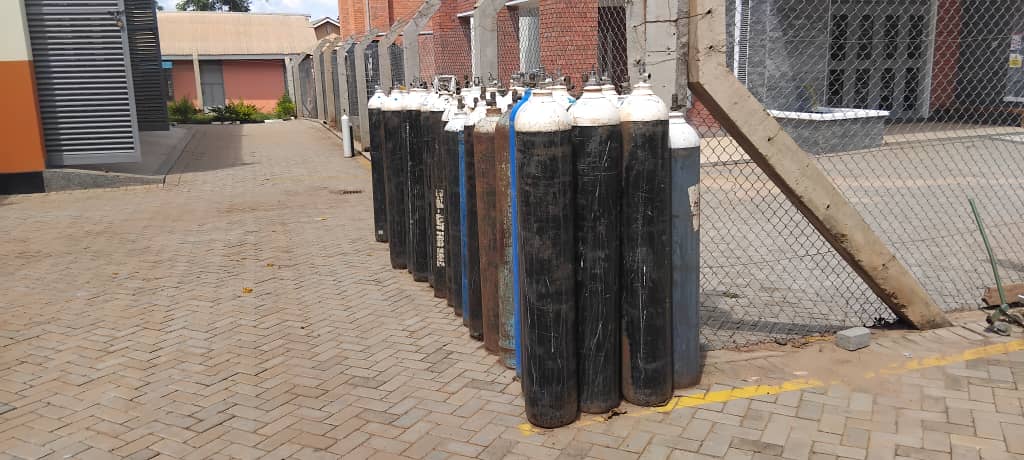
In addition to ambulance services, the hospital has enhanced its oxygen production capacity. A state-of-the-art oxygen plant now produces up to 100 cylinders per day, supplying not just Lira but also neighboring sub-regions such as Teso, Karamoja, and Bunyoro (Kiryandongo).
“Previously, we relied on the National Medical Stores for oxygen, which involved long waits. Now, oxygen is piped directly to patients’ bedsides, and we maintain over 100 pre-filled cylinders on standby,” said Dr. Odur.
 World-Class Laboratory Services
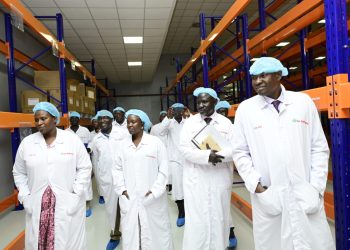
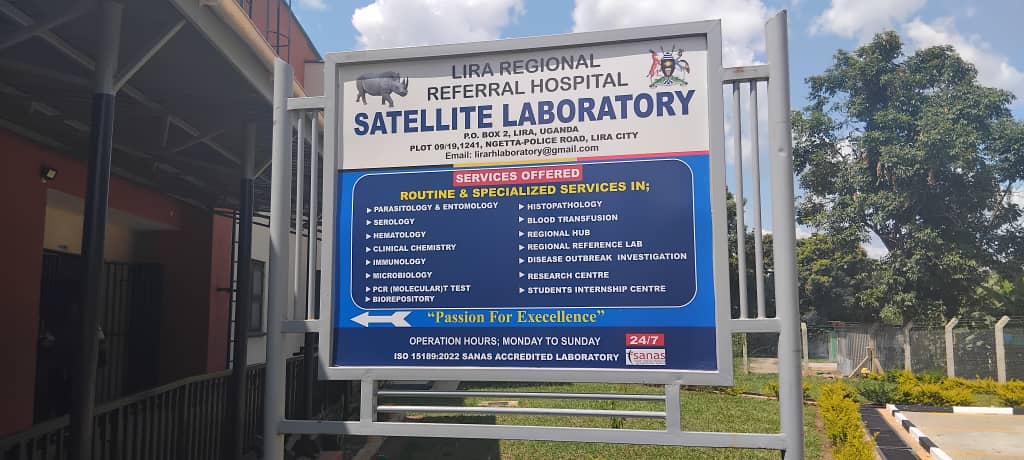
Lira’s healthcare capabilities were further boosted by the launch of a satellite laboratory, built with support from the world bank and accredited by SANAS, an international laboratory accreditation body.
“This lab is capable of conducting comprehensive diagnostic tests ranging from organ function and cancer screening to reproductive health and immunology,” Dr. Odur noted. “Last financial year alone, we conducted over 300,000 tests.”
This has improved early diagnosis and treatment outcomes, enabling better patient management and tracking of treatment effectiveness.
Lira’s modern satellite laboratory was funded by the World Bank under the Uganda COVID-19 Response and Emergency Preparedness Project (UCREPP), with the Ministry of Health managing the project and its construction.
The facility costed 4.5 billion Ugandan Shillings and was built to improve diagnostic services and research capabilities in the Lango sub-region and beyond.
Hospital Growth and Service Expansion
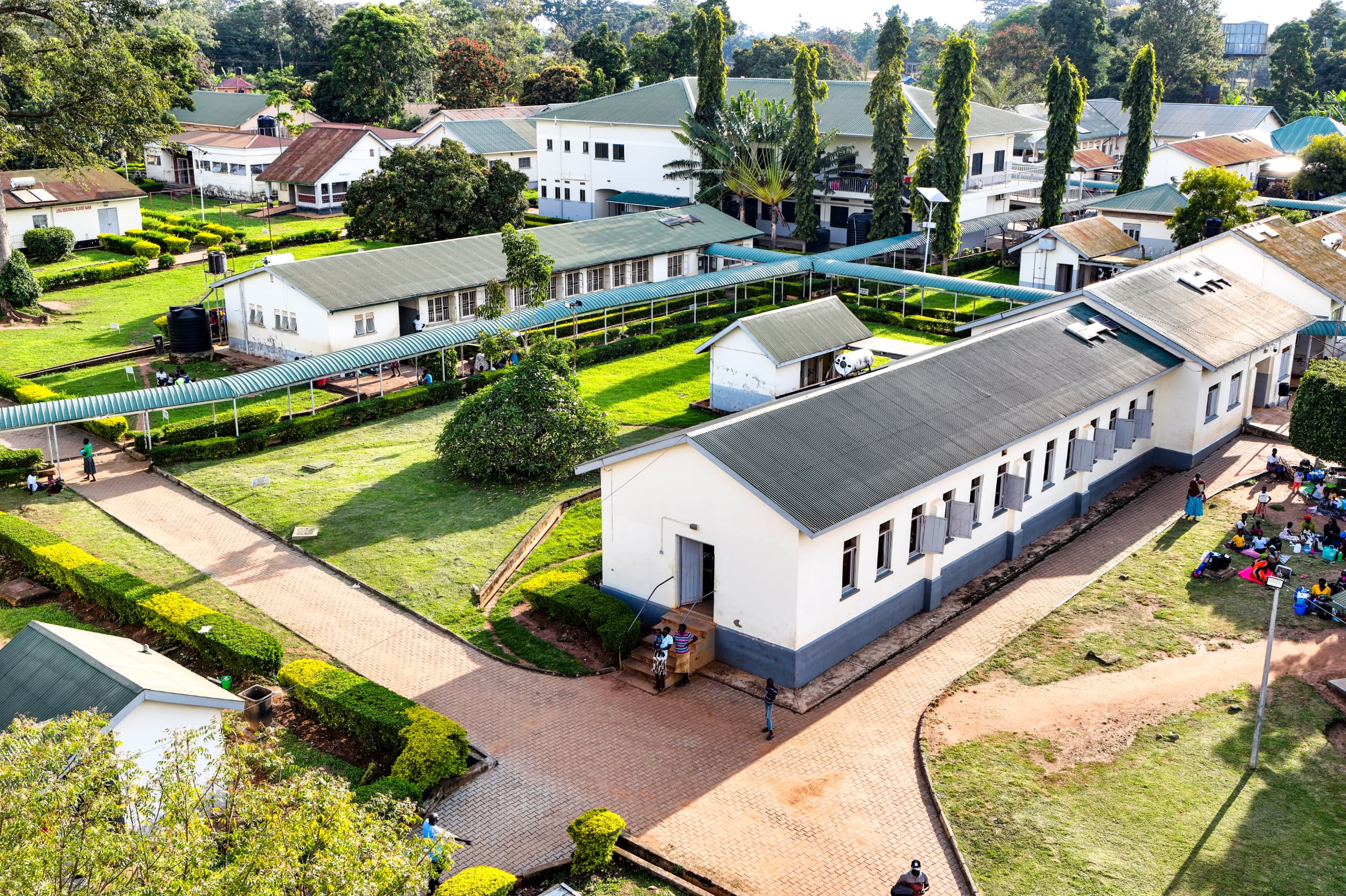
Since its establishment in 2003, Lira Regional Referral Hospital has seen significant growth in infrastructure and human resources. The number of medical specialists has risen from just 2 to 17 in the past five years, now including gynecologists, pediatricians, orthopedic surgeons, ENT specialists, and ophthalmologists.
The hospital currently operates with 456 beds and a workforce of 322 staff, serving over 2.56 million people. Though staffing remains at 79% of the approved structure, plans are underway to expand capacity with government support.
Recent infrastructure developments include:
- A new Outpatient and Emergency Ward
- The satellite laboratory
- The oxygen plant
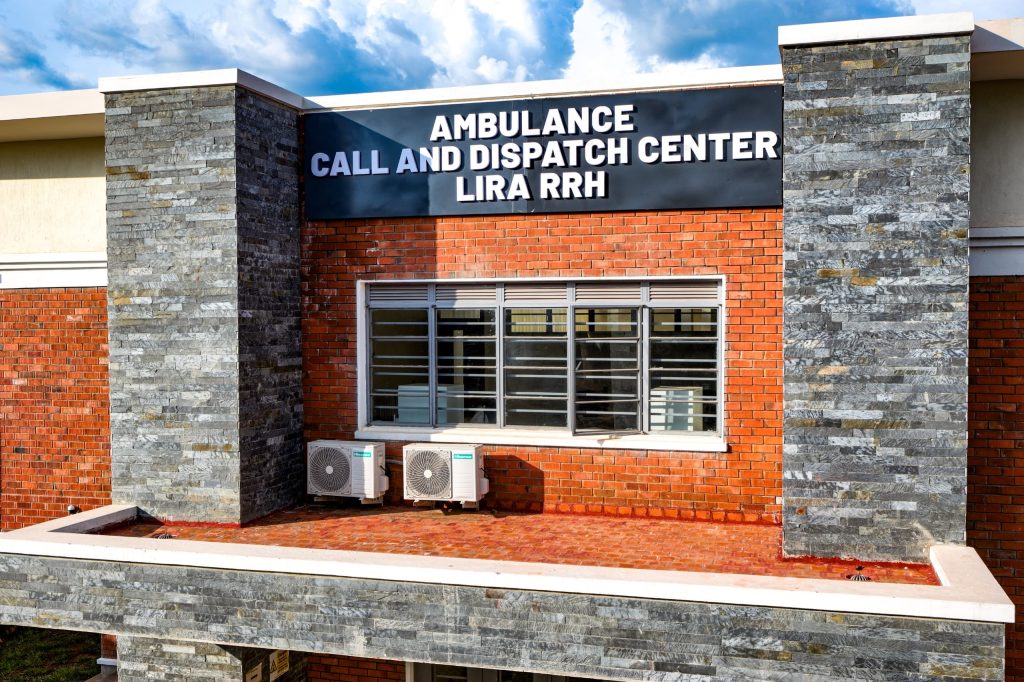
- An ambulance dispatch center, now completed and soon operational
- Digital Health Records and Better Accountability
Lira Hospital has adopted electronic medical records, improving accountability and reducing medicine stockouts. Doctors can only prescribe medications through the system, which ensures efficient tracking and prevents misuse of medical supplies.
“We’ve seen a decline in unnecessary prescriptions and paper-related inefficiencies,” Dr. Odur said. “This has lowered costs and improved patient care continuity.”
 Ambulance Dispatch Center Set to Boost Emergency Response
The newly constructed Ambulance Dispatch Center will serve as the command hub for all ambulance operations in the region. It features real-time tracking systems to monitor and coordinate patient transfers across Lango and beyond.
“If a call comes from Otuke, we can immediately identify the nearest ambulance and deploy it efficiently,” said Dr. Odur. “Every patient transported must now be accompanied by a trained health worker to ensure stability en route.”
Improving Health Worker Attitudes
In response to long-standing public concerns about staff conduct, the hospital has launched internal efforts to improve the attitudes and professionalism of its healthcare workers.
“We’re deliberately engaging staff to instill a sense of care and responsibility,” said Dr. Odur. “We’re seeing positive changes, and this is improving patient trust and outcomes.”
Lira Regional Referral Hospital is emerging as a model of transformation within Uganda’s public health sector. Through strategic investments in critical care, diagnostic services, oxygen supply, and digital health records, the facility is not only saving lives but also setting a new standard for regional healthcare delivery.
“This is a game changer,” Dr. Odur said. “We are grateful to the Ministry of Health and the Government of Uganda for their continued support in strengthening healthcare across the region.”