


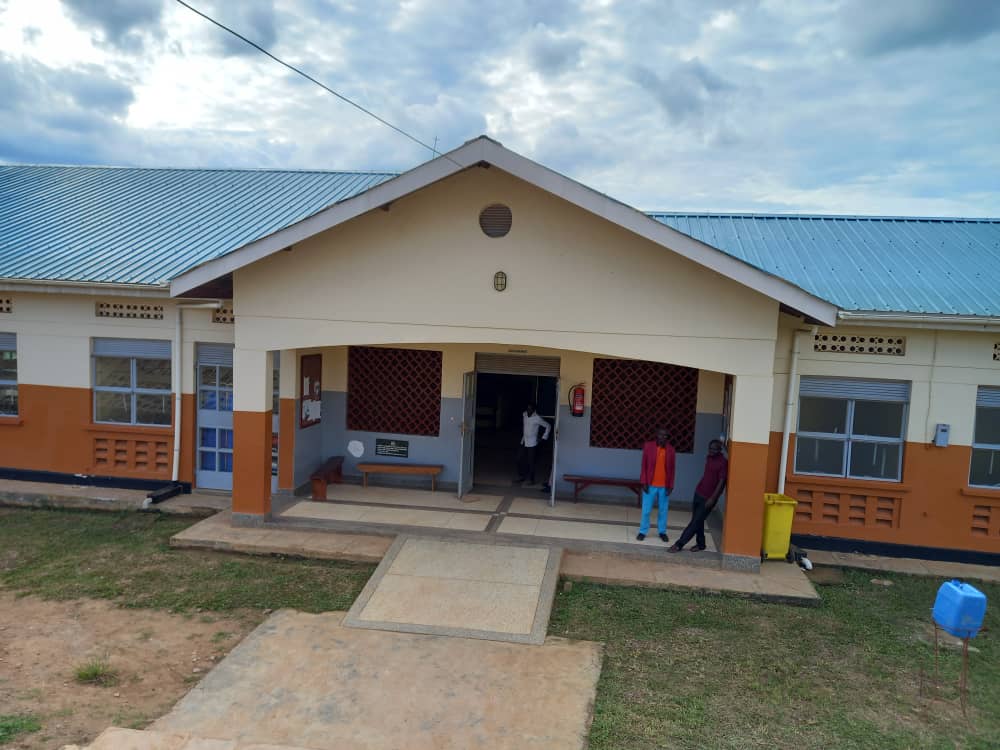
SEMBABULE , Uganda : Patients receiving treatment for non-communicable diseases (NCDs) at Ntete Health Centre III in Sembabule District have appealed to district authorities to support the formation of diabetes and hypertension patient groups to help them cope with frequent drug stock-outs.
The patients say such support groups would enable members to pool resources and purchase medication whenever government supplies run out.
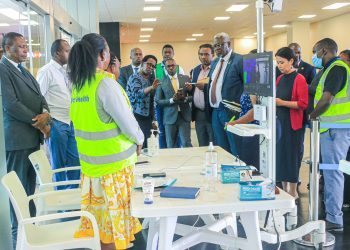
Their concerns emerged during a guided field visit by a delegation of journalists who were assessing the impact of a strategic project funded by the World Health Organization and the World Diabetes Foundation. The project is being jointly implemented by the Ministry of Health and district local governments to address the growing burden of diabetes and hypertension in Uganda.
The initiative seeks to evaluate the effectiveness of interventions and guide future policy decisions, including a possible nationwide rollout.
Kekuro Yona, 58, a resident of Kemigina Village in Nakasenyi Sub-county, who suffers from both diabetes and hypertension, spoke on behalf of fellow patients at the outpatient clinic.
He commended the health facility for improving service delivery, particularly through the introduction of integrated clinics for patients with similar conditions.
“We appreciate the noticeable improvements in healthcare services at Ntete Health Centre. The integrated clinic system has helped us receive treatment more quickly and efficiently,” Yona said.
However, he expressed concern over persistent shortages of essential drugs.
“Government should now focus on addressing the frequent drug stock-outs. Many of us travel long distances to reach the facility, only to leave without medication when supplies run out. This is very frustrating,” he added.
The facility’s clinical officer, Nuwahereza Agatha, who represented the officer in charge, Dr. Kiwanuka Mathew, acknowledged the challenge of drug shortages.
She explained that although the National Medical Stores delivers medicines on time, the quantities supplied are insufficient due to the increasing number of patients seeking treatment.
According to Agatha, the facility now handles more than 3,500 NCD patients every quarter.
She noted that the Ministry of Health’s technical support has enabled the facility to implement an integrated patient management system in which all adult patients are screened for various NCD-related conditions.
Agatha also revealed plans to establish patient support groups in line with recommendations from the World Health Organization.
“We currently do not have patient support groups like other facilities, but we plan to introduce them soon. Members will voluntarily contribute funds every month to help purchase medicines during stock-outs and ensure continuity of treatment,” she said.
She further thanked the Ministry of Health and Sembabule District leaders for ensuring the district was selected among the four pilot districts benefiting from the high-profile WHO/WDF-funded project.
Agatha said the programme has restored hope among thousands of diabetes and hypertension patients in the district.