



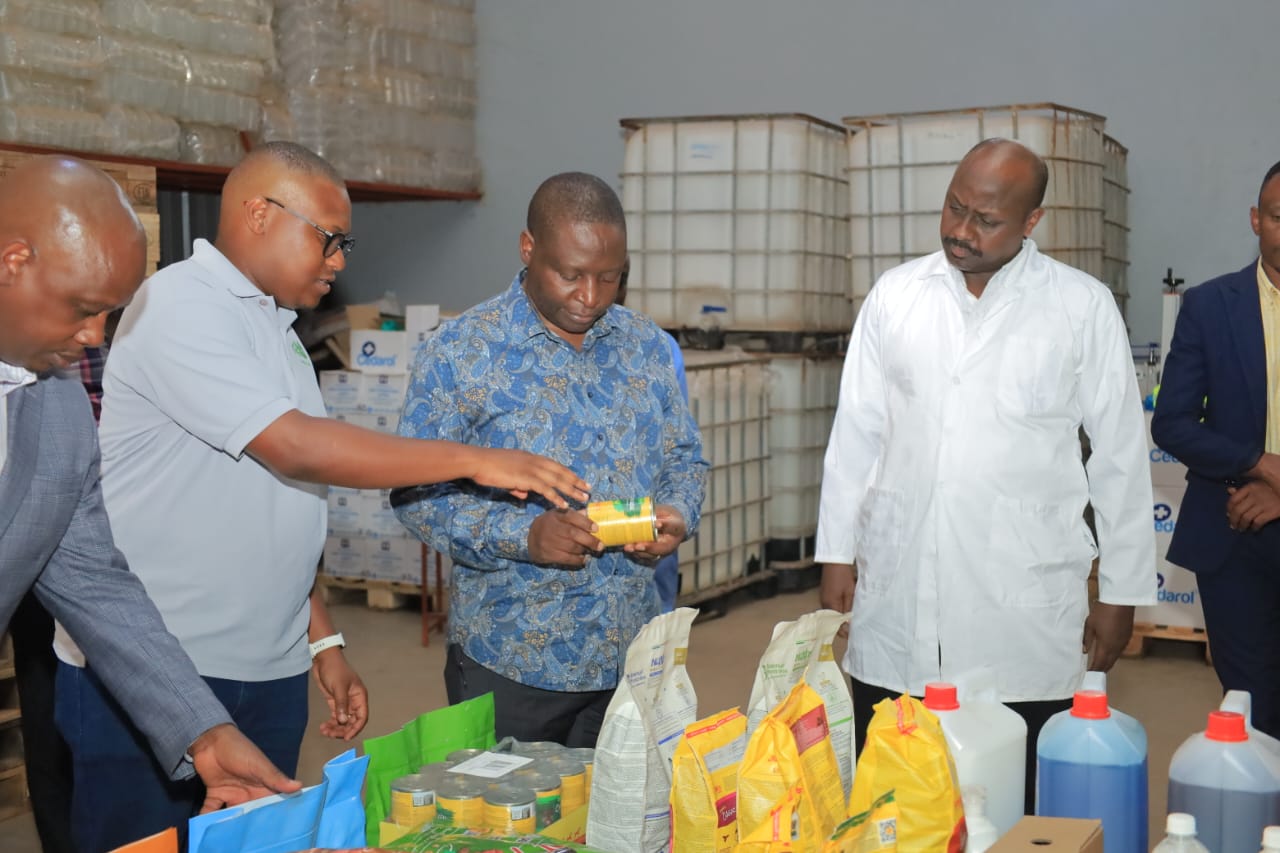
The State Minister for Industry, Hon. David Bahati, has conducted an oversight visit to Najjera Business Hub on the outskirts of Kampala as part of the government’s routine monitoring of Uganda’s industrial sector.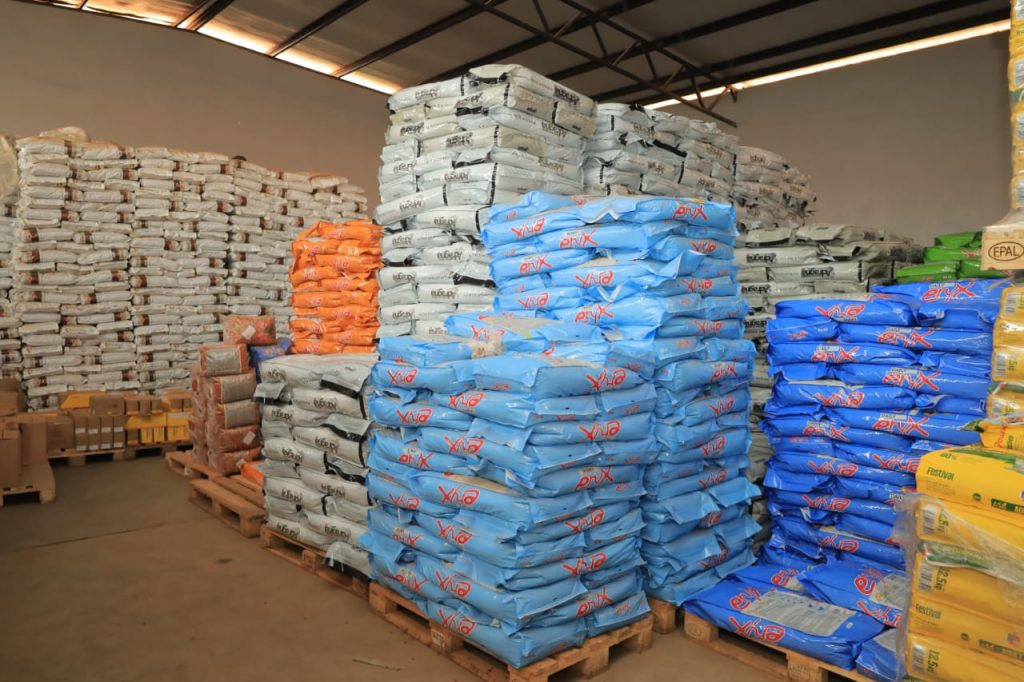 The visit was aimed at assessing operational efficiency, reviewing production processes, understanding the challenges faced by manufacturers, and identifying strategic areas where the government can provide targeted support to boost productivity and value addition.
After touring the hub, Hon. Bahati praised the investors for their commitment to value addition, job creation, and advancing the Buy Uganda, Build Uganda (BUBU) initiative.
“This hub not only adds value to our raw materials but also employs more than 200 Ugandans and continues to strengthen Uganda’s export potential,” Bahati said.
He reaffirmed the government’s commitment to supporting value chains, particularly in cocoa, coffee, and other locally available raw materials, as part of efforts to accelerate industrial growth and economic prosperity.
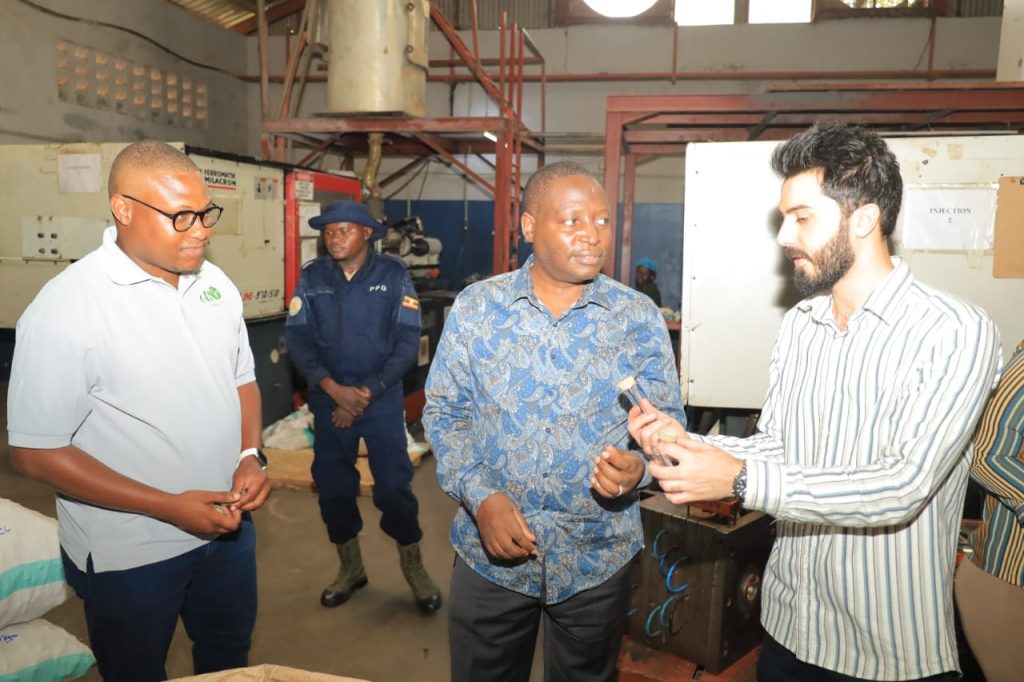
Najjera Business Hub hosts several manufacturing companies, including ADMA International, Nova Plastic Packaging Ltd, and SAMCO Plastics. The firms produce a wide range of products, including plastic goods, packaging materials, premium liquid soaps, animal feeds, and other value-added products.
Speaking on behalf of the investors, Laban Musinguzi highlighted several challenges affecting their operations, including high production costs, limited market access, and inadequate infrastructure, which continue to undermine their competitiveness.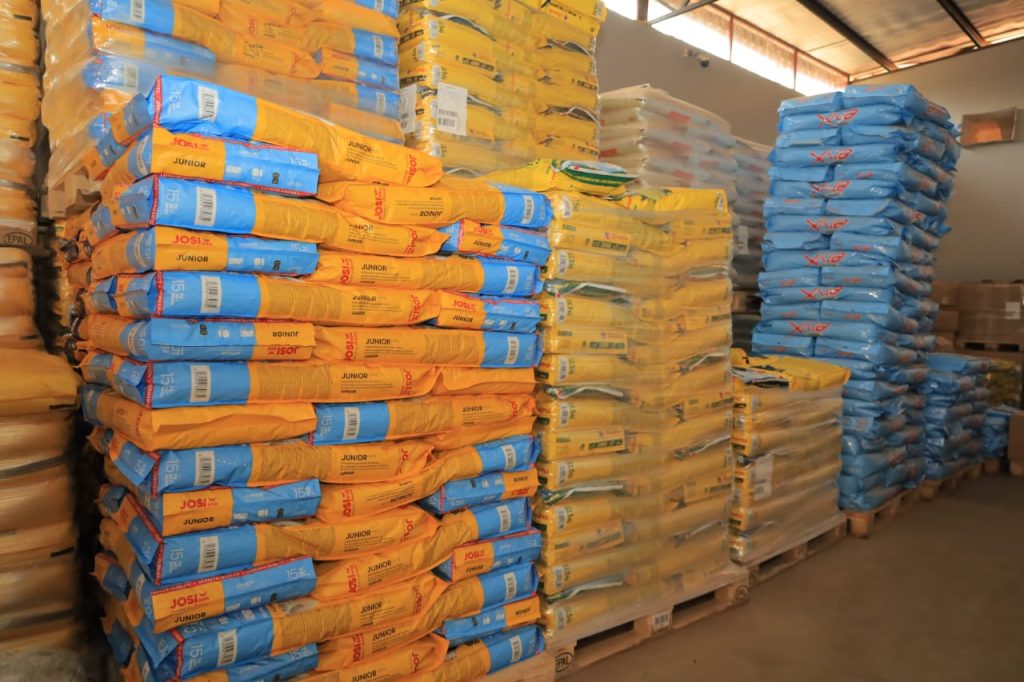 In response, Minister Bahati assured manufacturers of the government’s commitment to working closely with the private sector to address these challenges and create an enabling environment for industries to expand, increase productivity, and enhance value addition.
The visit underscores the government’s commitment to strengthening collaboration with manufacturers, improving the business environment, and promoting sustainable growth across Uganda’s industrial sector.
Routine industry inspections are intended to evaluate the performance of manufacturing enterprises, identify policy and operational bottlenecks, and strengthen partnerships between government and the private sector.