





A group of civil society leaders and concerned citizens has petitioned Parliament to investigate what they describe as the unlawful suspension of 10 non-governmental organisations (NGOs), arguing that the actions were taken without legal authority and in violation of the Constitution.
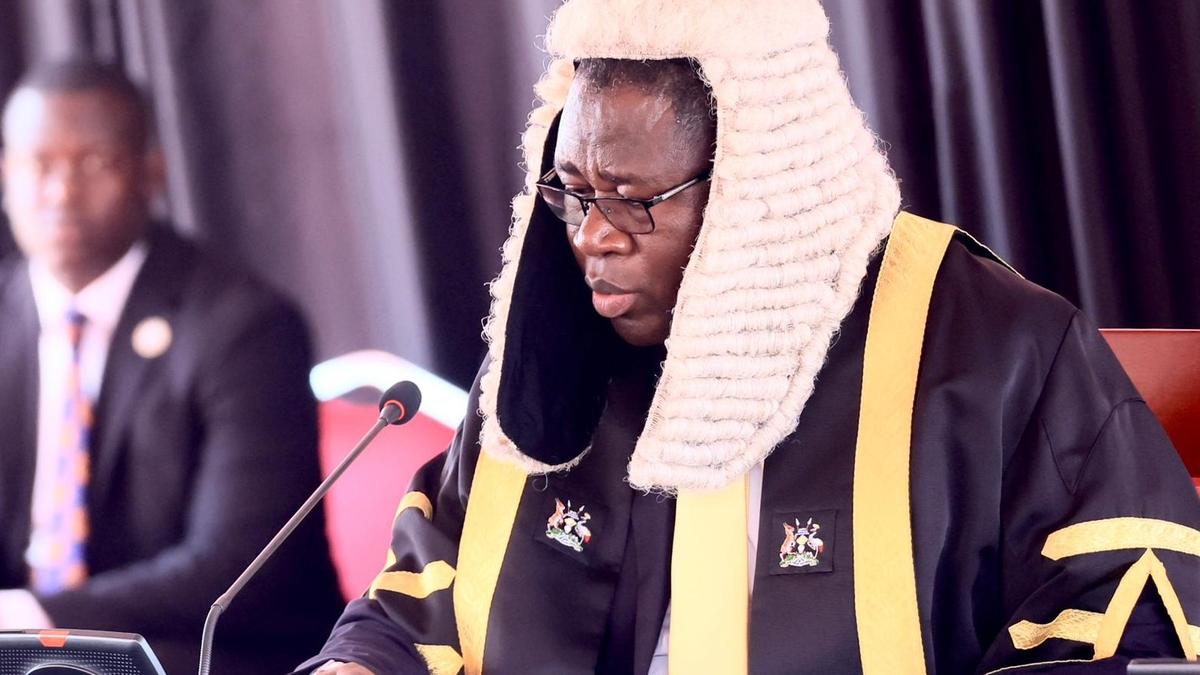
The petition, dated August 3, 2026, was addressed to Speaker Jacob Markson Oboth Oboth and calls on Parliament to urgently intervene by lifting the suspensions, reopening the affected organisations, and investigating the officials responsible for the decisions.
The petitioners contend that the continued suspension of the organisations has undermined constitutional freedoms, weakened democratic governance, and disrupted the work of organisations involved in governance, human rights, civic education, election observation, anti-corruption efforts, and access to justice.
According to the petition, on January 9, 2026, 10 organisations were suspended through administrative directives issued by the Commissioner in charge of the National Bureau for Non-Governmental Organisations. The affected organisations include the African Centre for Media Excellence (ACME), Alliance for Finance Monitoring (ACFIM), Agora Centre for Research, Africa Centre for Rehabilitation of Torture Victims (ACTV), Chapter Four Uganda, the Centre for Constitutional Governance (CCG), the National NGO Forum, the Network of Public Interest Lawyers (NETPIL), the National Coalition of Human Rights Defenders (NCHRD), and the Human Rights Network for Journalists (HRNJ).
The petitioners argue that the suspensions have remained in force for several months despite what they describe as the absence of a legally constituted National Bureau for Non-Governmental Organisations, the statutory body mandated to regulate the NGO sector.
They claim that, following amendments to the NGO Act in 2024, members of the Bureau have neither been appointed nor gazetted as required by law, raising questions about the legality of decisions taken in the Bureau’s name.
“The suspensions have unfairly crippled organisations working on constitutionalism, governance, human rights, civic education, election observation, and access to justice,” the petition states.
The petition further argues that the suspensions violate several provisions of the Constitution, including Articles 20, 29, 38, 42, and 45, which guarantee the protection of human rights, freedom of association, participation in civic affairs, and the right to fair administrative action.
The petitioners also question whether the Commissioner possessed the legal authority to suspend NGOs independently, maintaining that such powers are vested in the National Bureau rather than in an individual official.
They further contend that the NGO Act does not provide for the indefinite suspension of organisations. According to the petition, the affected NGOs have remained closed without statutory timelines, formal communication of the alleged breaches, impartial hearings, or lawful reviews of the decisions.
“Administrative suspension cannot become permanent punishment through executive inaction,” the petition argues, adding that prolonged closures violate the principles of legality, proportionality, and natural justice.
The petition warns that the arbitrary closure of civil society organisations weakens constitutional democracy by limiting public participation and undermining organisations that complement government efforts through humanitarian work, public accountability, legal aid, civic education, and anti-corruption initiatives.
Among the issues the petitioners want Parliament to investigate are why the National Bureau has remained unconstituted despite legal requirements, whether the Commissioner exercised powers reserved exclusively for the Bureau, whether officials knowingly issued decisions in the name of a statutory body that had not been lawfully constituted, whether the responsible ministry failed in its supervisory role, and whether the continued suspensions amount to abuse of office or other breaches of the law.
The petition asks Parliament to direct the Minister responsible for Internal Affairs to immediately lift all suspensions imposed on the affected NGOs pending compliance with the Constitution and the NGO Act.
It also seeks the immediate reopening of all organisations suspended through what the petition describes as unlawful decisions, the establishment of a parliamentary investigation into the conduct of the Executive Director or Commissioner and other officials involved, and a determination of whether any officials acted ultra vires or abused their offices.
Additionally, the petition calls on Parliament to direct the Minister to immediately constitute the National Bureau for Non-Governmental Organisations by appointing and gazetting its members, and to require a comprehensive report explaining why the Bureau has remained unconstituted, the legal basis for each suspension, the duration of every suspension, and the measures taken to comply with the Constitution and the NGO Act.
The petition also urges Parliament to recommend disciplinary, administrative, or criminal proceedings against any public officers found to have acted outside the law and to consider legislative amendments aimed at preventing the future abuse of administrative powers against civil society organisations.
In their conclusion, the petitioners argue that the matter extends beyond the fate of the affected organisations and raises broader constitutional questions about whether public officials can exercise powers not granted by Parliament and whether constitutional freedoms can be curtailed through administrative action.
The petition was submitted by Henry Muguzi on behalf of the petitioners and is supported by more than 30 signatories drawn from civil society organisations and individuals across the country, including representatives of ACME, ACFIM, Chapter Four Uganda, the Centre for Constitutional Governance, the National Coalition of Human Rights Defenders, the Human Rights Network for Journalists, the Forum for Women in Democracy (FOWODE), the Great Lakes Institute for Strategic Studies (GLISS), and other organisations. Copies of the petition were also addressed to the Deputy Speaker of Parliament, the Leader of Government Business, the Leader of the Opposition, the Government Chief Whip, and the Chairperson of Parliament’s Committee on Internal Affairs.