




The Executive Director of the Epilepsy Support Association of Uganda (ESAU), Sarah Nekesa, has cautioned the public against consuming poorly prepared pork, warning that pork infected with tapeworm cysts can contribute to epilepsy.
Nekesa made the remarks while addressing more than 250 participants at a community dialogue held at Bududa District headquarters to sensitise residents about the causes of epilepsy and ways of preventing the condition.
The dialogue brought together stakeholders from the Bubita and Bushika sub-counties, where health experts made presentations on the causes of epilepsy, prevention measures and clinical counselling services, among other issues.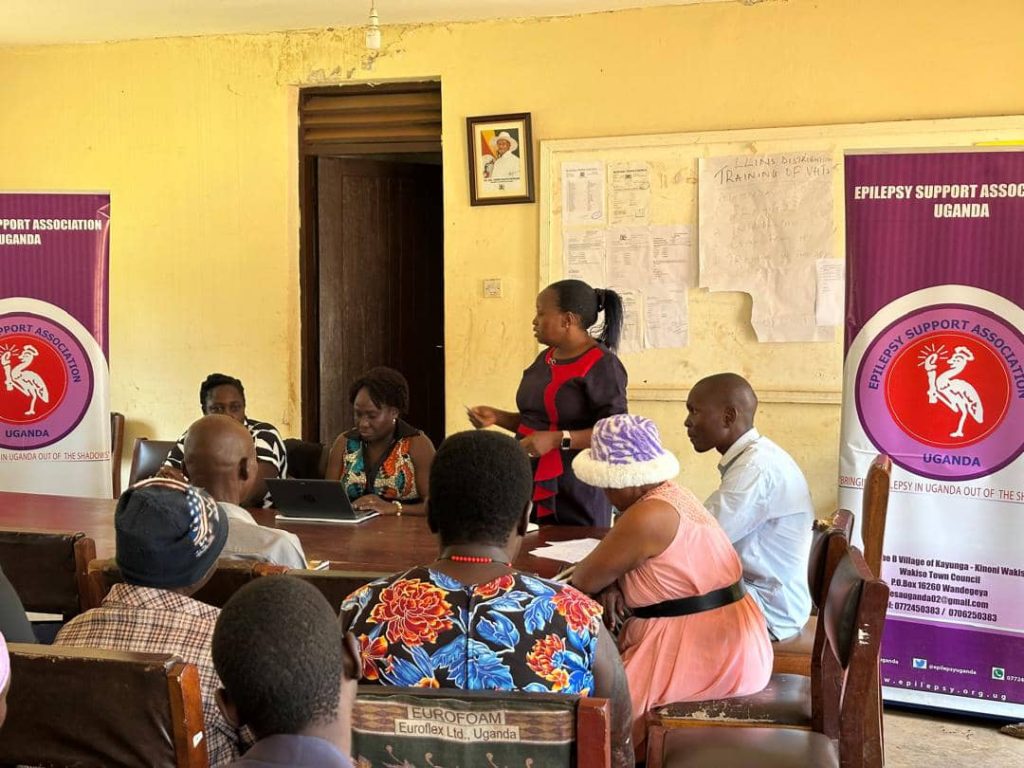 Nekesa said epilepsy can result from brain damage caused by a number of factors, including severe head injuries from road accidents, domestic violence, alcohol and substance abuse, birth injuries and certain infections.
She particularly warned against eating raw or poorly cooked pork, explaining that pork infected with the larval stage of the pork tapeworm can pose a health risk.
According to Nekesa, when infected pork is not thoroughly cooked, people may consume tapeworm cysts. The parasites can enter the bloodstream and, in some cases, reach the brain, where they can cause damage that may trigger seizures and epilepsy.
She called for strengthened public education campaigns on the dangers associated with consuming raw or undercooked pork, urging the government and other stakeholders to intensify efforts to protect communities from preventable causes of epilepsy.
Nekesa also commended the Ministry of Health and the government for working with ESAU to strengthen collaboration with key stakeholders in addressing the burden of epilepsy in Uganda.
She said epilepsy-related interventions fall under different departments within the Ministry of Health, including Non-Communicable Diseases (NCDs), disability and mental health, as well as neurology services.
According to government demographic data cited during the dialogue, some communities in western and West Nile Uganda have reported high numbers of epilepsy cases, with environmental and socio-economic factors identified among the issues requiring further attention.
The sub-county of Ruyabatenga in Ibanda District, for instance, has reportedly recorded a significant burden of epilepsy. Nekesa attributed the situation to factors including the area’s proximity to a national game park and rivers flowing through hard-to-reach communities.
Metu Sub-county in Moyo District, in the West Nile region, has also reportedly recorded a high number of epilepsy cases, with health authorities said to have registered up to 400 cases.
What You Need to Know About ESAU
The Epilepsy Support Association of Uganda (ESAU) opened its doors to communities 26 years ago following research indicating that about 1.6 percent of Uganda’s population could be affected by epilepsy.
The association currently has a membership of about 20,000 people across 42 districts and operates in 125 sub-counties.
ESAU conducts joint sensitisation campaigns with stakeholders and builds the capacity of community leaders to understand epilepsy, challenge misconceptions surrounding the condition and support affected people within their communities.