


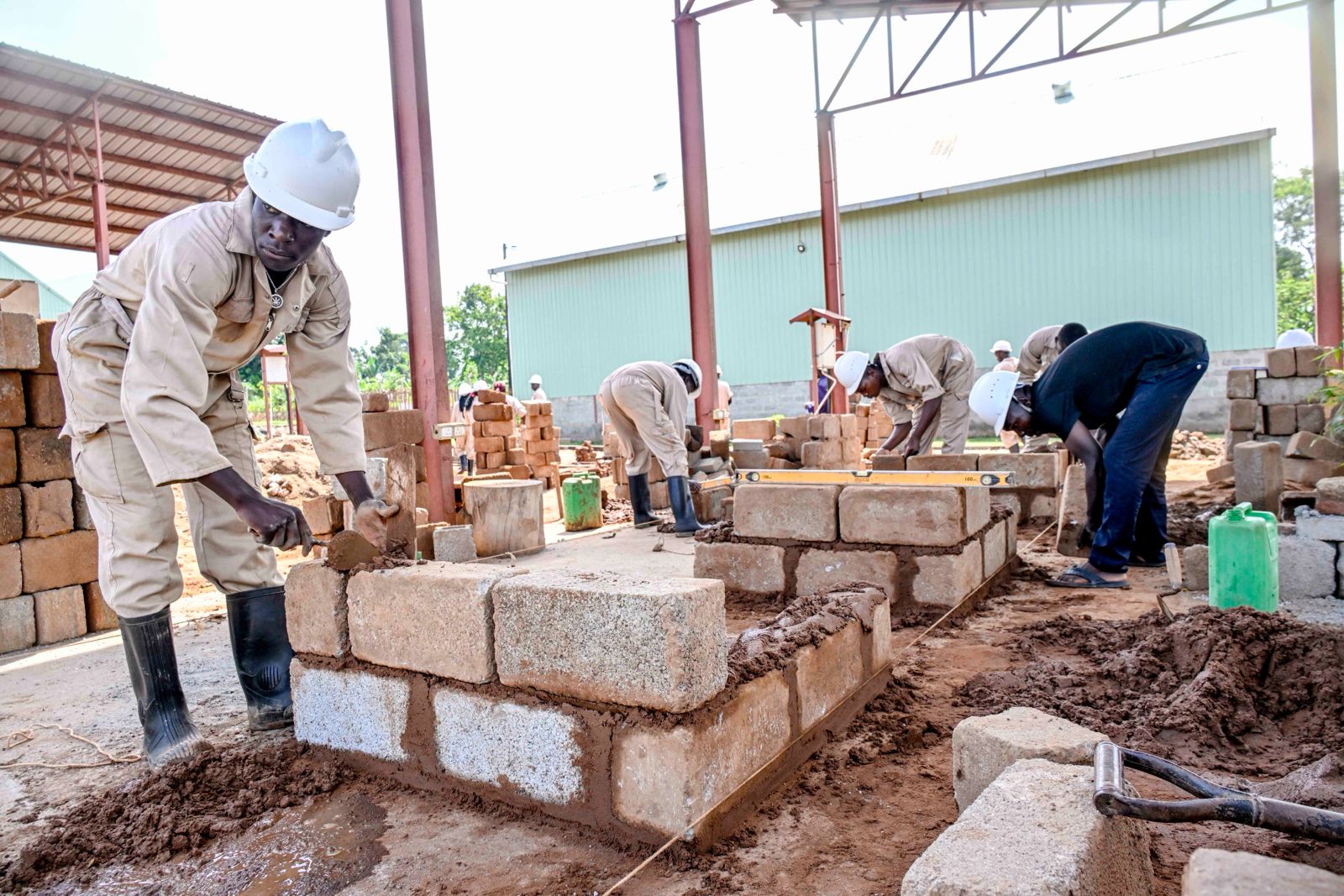
As the saying goes, opportunity comes to those who are prepared, this is true for graduates from the Presidential Skills Hubs across the country, who are set to benefit from the shs8.8 billion support fund.
The money injected by President Yoweri Museveni, was disbursed through Savings Credit and Cooperatives (SACCOs) linked to each of the 19 Zonal Industrial Hubs, intended to help skilled youth transition into self-employment after completing six months of hands-on training.
Each SACCO received shs50 million to serve as start-up capital for the graduates.
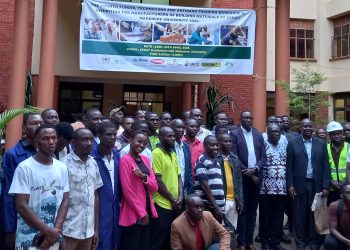
During a visit to the Mengo Zonal Presidential Industrial Skilling Hub in Kayunga District, top State House officials led by Eng. Raymond Kamugisha, Director of Presidential Projects and Industrial Hubs, met with beneficiaries and local leaders to guide them on the proper use of the funds.
“This is not just a loan, it’s a launchpad. The President has sent you Shs8.8 billion because he believes in your skills and your potential. If capital has been your challenge, that challenge ends now,” he noted.
The funding model is structured around low-interest SACCO loans, with a 6% annual interest rate and a one-year grace period.
Beneficiaries will receive up to shs1.5 million, depending on the nature of their trade and available funds. For more resource-intensive trades, such as shoemaking, candidates will be supported in pairs to maximize equipment use and business viability.
Kamugisha who was Jane Barekye the State House Comptroller, also issued a word of caution, saying the money must be used for the intended purpose, to benefit others.
“This money must not be misused. It is your stepping stone, not a handout. Mismanagement will not only hurt you but jeopardize the program for others,” he added.
Highlighting the President’s broader vision, Kamugisha revealed plans to establish a university focused on technical and vocational education, ensuring a long-term pathway for students to deepen their expertise.
“This isn’t a one-off. The skilling program will evolve, grow, and support those who show commitment and results,” he said, outlining the phased approach that will see continued support for high-performing graduates.
Officials from the Ministry of Trade, Ministry of Finance, and cooperatives sector reinforced the importance of transparency and discipline in managing the funds.
“Every qualified beneficiary will receive their share after the ongoing training across all industrial hubs is complete. Your share will be deposited in your Wendi account in Post Bank,” he said.
He called on those who don’t have national identity cards registered in their names to get them as this will be a requirement to get a loan.
“Those without national identity cards should register, I will go to the office of the Executive Director of National Identification and Registration Authority (NIRA) to help those without identity cards get them,” Kamugisha asserted.
Joseph Lutalo, the Assistant Registrar of Cooperatives, reminded the trainees that the money must be repaid to allow others to benefit. “This is not a reward for completing training. It’s a chance to build a future, responsibly,” he said
Golooba Lwanga, Manager of Financial Inclusion at the Ministry of Finance, said the money comes with trust, not cost, saying that if recovery fails, the law will take its course.
Isaac Sebalamu, a former welding trainee, shared how the program changed his life and boasts of being an employer.
From being unemployed, he now runs a welding workshop in Munyonyo and employs fellow youth. “We trained for free, we got the tools, and now we’re earning,” he said.
Bruno Brian Akankwasa, once a senior six dropout, now owns a welding business and earns daily profits of up to shs20,000. “I had no hope until this program came along. Today, I have employees of my own,” he said.
“Every qualified beneficiary will receive their share after the ongoing training across all industrial hubs is complete. Your share will be deposited in your Wendi account in Post Bank,” he said.